EN
EN  DE
DE  RU
RU  PT
PT  JA
JA  ES
ES  IT
IT 
 |
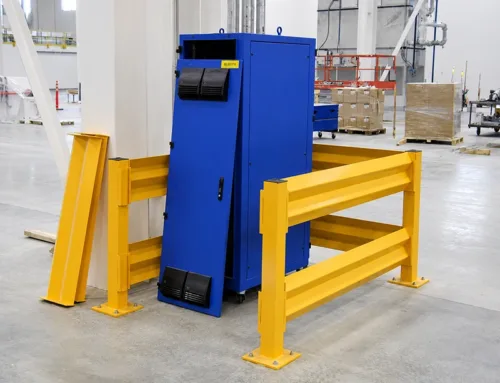
In a busy warehouse, floor tape and guard rails don’t stop a forklift. Protecting your high-value automation systems and intelligent logistics assets requires a physical, high-impact barrier. The real cost of a collision isn’t just the repair; it’s the downtime that ripples through your entire operation. |
As intelligent logistics & warehousing operations become more complex, the floor is shared by forklifts, personnel, and expensive automation systems like AGVs, robotic palletizers, and conveyors. The single biggest threat to your operational uptime is an accidental collision. A forklift straying from its path can destroy a critical conveyor section or shut down an entire robot work cell, leading to hours or even days of downtime.
Beyond Floor Tape: The Need for Physical Asset Protection
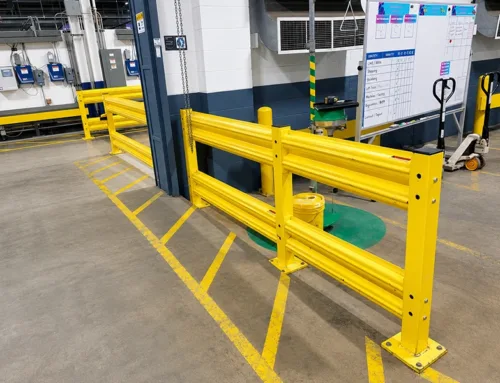
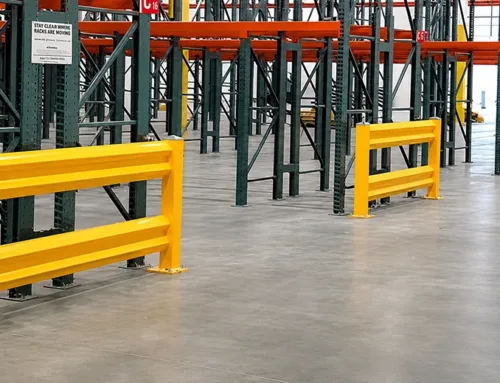
Floor tape is for guidance. A heavy-duty industrial safety fence is for protection. The primary value of a robust machine guarding system in a warehouse is not just to isolate robots, but to serve as a physical barrier that can withstand real-world impacts. This is a crucial distinction.
The solution is not just any fence; it is a system engineered for impact resistance. This protection comes from specific structural choices.
The Components of Real Impact Resistance
A system designed to stop a forklift or pallet jack collision relies on its core components. The strength is not just in one piece, but in how they work together.
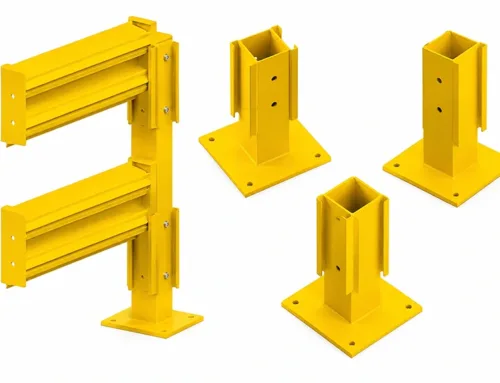
1. The Post: The foundation of the system. A 60x60mm post made from heavy-gauge Q235 carbon steel provides a massive strength advantage over lighter 40x40mm alternatives. This is the main load-bearing component in an impact.
2. The Baseplate: The post is only as strong as its connection to the floor. A wide, engineered baseplate anchored with four M10 expansion bolts ensures the force of an impact is distributed into the concrete floor, not just absorbed by the post itself.
3. The Framed Panel: This is the most critical and often overlooked part. A simple mesh wire will stop a person, but not a pallet. A framed panel—where the steel mesh is fully welded inside a 20x30mm steel tube frame—creates a rigid, drum-like structure. This design stops the impact from penetrating the protected area, saving the high-value asset behind it.

Protection That Adapts to Your Warehouse
The second benefit is modularity. Your warehouse layout is not static. You add new lines, re-route Warehouse AGV/AMR Paths, and re-configure work cells. A modular fencing system is a long-term asset that can be unbolted, re-configured, and re-deployed.
You can easily create clear-span access for maintenance using wide sliding doors or create simple personnel entry points with hinged doors. This flexibility ensures that safety and asset protection do not create operational bottlenecks. You are investing in a system that protects your current assets and is flexible enough to protect your future ones, all while safeguarding your most critical metric: operational uptime.

Frequently Asked Questions
What is the best way to protect conveyor belts from forklift damage?
The most effective method is to install a physical barrier, like a industrial safety fence, at a safe distance from the conveyor. A system built with heavy-gauge steel posts (like 60x60mm) and framed panels offers high impact resistance against accidental collisions.
How does modular fencing help in a warehouse?
Modular fencing allows you to create custom-fit protected zones that can be easily changed. As your intelligent logistics needs evolve, you can reconfigure the same posts and panels to create new layouts, add gates, or move entire protected cells without new fabrication.
Is this type of fencing strong enough to stop a forklift?
While no fence is designed to stop a high-speed, direct collision, a high-impact system made from Q235 carbon steel posts and framed panels is specifically engineered to withstand low-speed impacts and deflections from forklifts, pallet jacks, and dropped items, preventing them from damaging the asset behind the fence.
Can I add gates for employee access?
Yes. A modular robot safety fencing system includes a variety of door options, such as hinged doors for pedestrian access and wide sliding doors or folding doors for equipment and pallet access.
What is the difference between a framed and unframed mesh panel?
An unframed panel is just the wire mesh. A framed panel has the mesh fully welded inside a steel tube frame. This frame makes the panel significantly more rigid and resistant to impacts, making it the ideal choice for warehouse asset protection.