EN
EN  DE
DE  RU
RU  PT
PT  JA
JA  ES
ES  IT
IT 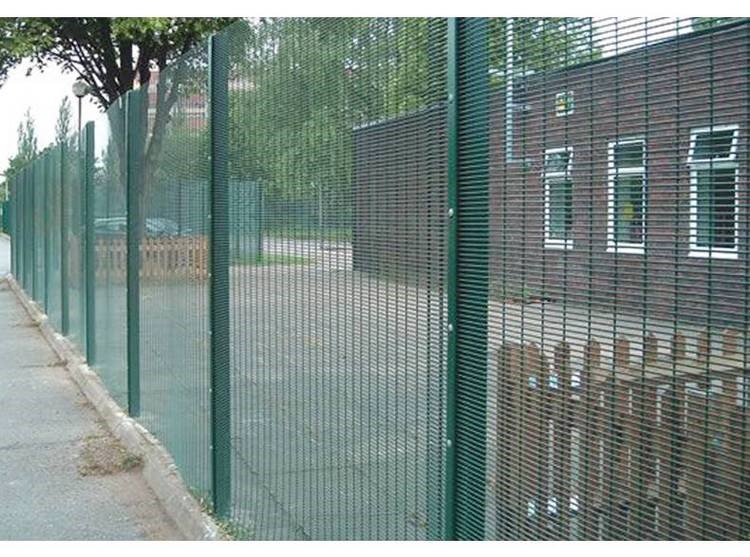
In the world of high-security perimeters, the most effective solutions are not simply strong; they are intelligent. They are the result of a deliberate engineering process where every dimension, every angle, and every junction is designed with a specific purpose: to defeat a threat. A premier high-security fence is not just a barrier; it is an argument, made in steel, against the possibility of intrusion.
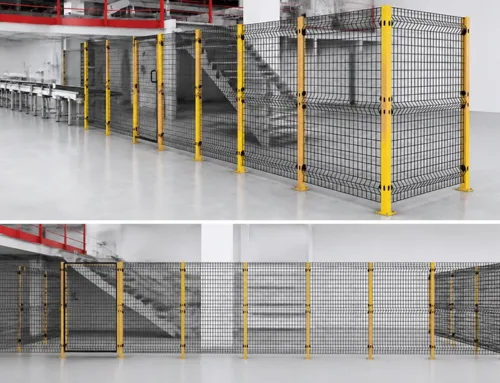
This analysis will take you beyond the surface-level specifications to explore the design philosophy behind one of the most effective perimeter solutions available today: the dense mesh anti-climb fence. We will deconstruct its core geometry to understand why it works, revealing how carefully chosen dimensions create a system of comprehensive denial.
Principle 1: Defeating the Human Hand
The primary tool for an unaided climber is their hands. The ability to gain a fingerhold is the first and most critical step in scaling a barrier. Therefore, the first principle of an anti-climb fence is to render the human hand ineffective.
The engineering solution addresses this with an exceptionally narrow vertical aperture, precisely specified at 0.5 inches (12.7mm). This dimension is not arbitrary. It is the result of careful ergonomic analysis. It is intentionally smaller than the width of an adult’s fingertips, making it physically impossible to gain a secure, load-bearing grip.
Principle 2: Defeating the Human Foot
Denied a handhold, an intruder might attempt to use their footwear to find points of leverage. The second principle of the design is to eliminate any potential foothold.
The engineering solution: While the horizontal aperture is wider at 3 inches (76.2mm), it is still engineered to be too narrow for the toe of a boot or shoe to be inserted deeply enough to provide meaningful upward leverage. The synthesis of the narrow vertical aperture (denying handholds) and the restrictive horizontal aperture (denying footholds) creates a surface that is virtually impossible to scale. When you are looking for effective anti climb fences, this is a critical design element.
Principle 3: Defeating the Intruder’s Tools
A sophisticated threat will not rely on hands and feet alone; they will come with tools. The third and perhaps most crucial principle of the design is to deny the effectiveness of these tools.
The engineering solution: The same 0.5-inch vertical aperture that defeats fingers also serves as a powerful defense against common breaching tools.
- Denial of Cutters: The opening is too small for the jaws of standard bolt cutters or wire cutters to pass through and grip the wire effectively.
- Material Strength: This geometric defense is paired with robust material science: a heavy-gauge, high-tensile 4mm diameter steel wire. This thickness provides significant resistance to cutting.
The combination of these two factors creates a formidable challenge for any intruder. They cannot get their most effective tools into a position of mechanical advantage, and the material itself is tough to defeat. This forces them to resort to loud, time-consuming power tools, which eliminates the element of stealth and provides your security team with a crucial window of time to detect and respond.
Intelligent Design is the Ultimate Deterrent
The 3″ x 0.5″ specification of a high-security dense mesh fence is not a random set of numbers. It is the calculated result of a multi-disciplinary design process, considering ergonomics, tool mechanics, and security strategy. It is the geometric “sweet spot” that simultaneously denies hands, feet, and tools.
This is what separates a true high-security system from a simple fence. It is not just about being strong; it is about being intelligently engineered to anticipate and defeat the specific methods of an attacker. By understanding this design philosophy, you are no longer just procuring a barrier; you are investing in a system of geometric denial, confident that its security is based on sound, proven engineering principles.