EN
EN  DE
DE  RU
RU  PT
PT  JA
JA  ES
ES  IT
IT 

|
For safety and compliance officers, a machine guard is a legal and ethical requirement, but its true cost is measured over decades. The critical difference between a cheap barrier and a lasting safety asset lies in the hidden engineering details: the steel grade, the weld quality, and the surface finish. These factors dictate the system’s long-term resistance to corrosion, impact, and mechanical failure, ensuring continuous compliance with standards like ISO 14120 without unexpected repair costs. |
The Foundation of Safety: Choosing Structural Grade Steel
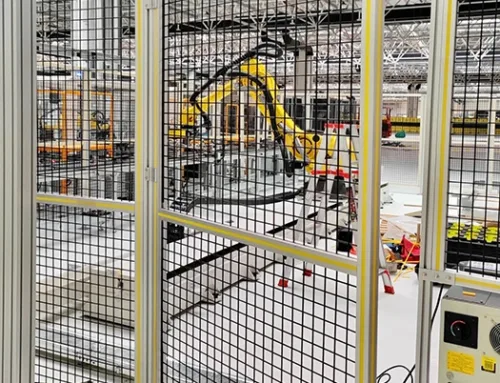
The core purpose of Industrial Safety Fencing is to maintain the **Safety Distance** between personnel and machinery, particularly during high-speed or high-force operations. Any structural compromise—a bent post, a snapped panel weld—erases that safety distance instantly.
The key knowledge point here is that quality fencing relies on **structural integrity**, starting with the raw material. Systems built from high-strength Q235 carbon steel, featuring substantial wall thickness (e.g., 2.0mm for posts and 1.5mm for panel frames), are not merely durable; they are compliant assets verified by TUV certification for impact resistance. This material choice is what guarantees the physical boundary remains rigid and true to its specified dimensions, protecting both workers and machinery from costly contact.
A Finish That Defies Time and Corrosion
In humid factory settings, near cleaning stations, or in general industrial environments, corrosion is the primary enemy of structural longevity. A substandard finish leads to peeling, rust, and ultimately, structural weakness over time. The operational change provided by a superior solution lies in the surface preparation.
A high-quality **Powder Coating** process, tested to standards like ISO 9227 (Salt Spray Corrosion), creates a resilient, uniform layer that bonds perfectly with the Q235 steel. This is not about aesthetics; it is about extending the product lifecycle by preventing material degradation, ensuring the guardrail remains structurally sound and visually clear for decades of service.
Engineering Beyond the Barrier: Door System Reliability
The most frequent points of failure and highest risk areas in any safety perimeter are the access gates. When door systems become misaligned or difficult to operate due to component fatigue, safety protocols are often bypassed, creating risk.
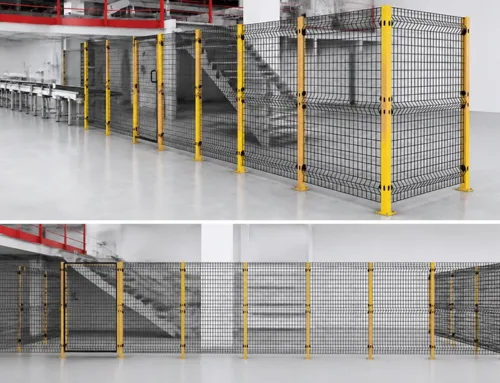
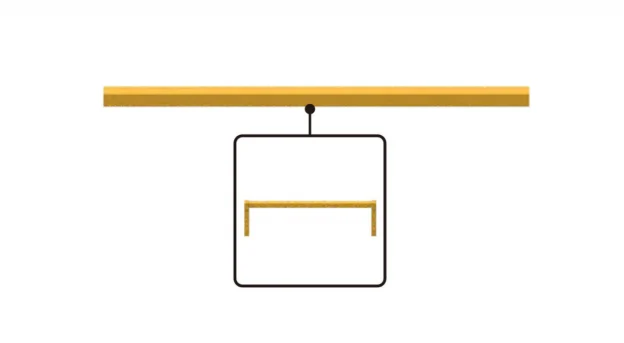
True engineering excellence focuses on making gate operation flawlessly reliable. This includes integrating features like the **Door Frame Beam** (a structural header connecting the posts above the gate) and using heavy-duty, reinforced components. This seemingly small detail ensures the gate posts remain perfectly parallel, preventing sagging or misalignment that often jams wide doors. Whether you use a heavy-duty single hinged door or a massive 4.8-meter folding door, the system is designed to operate smoothly 100% of the time, thereby reinforcing adherence to safety procedures.
The Value of Zero Field Fabrication
For operations teams, time spent modifying received components is time wasted. High-value systems arrive ready to install. This is evidenced by features like **Pre-Engineered Interlock Carriers** and panels that secure with simple fixing rings and M10 expansion bolts. This bolt-together, non-welding approach dramatically simplifies the installation and subsequent auditing process, ensuring that the final assembly meets factory specifications without the compliance risk associated with on-site fabrication.
Frequently Asked Questions (FAQ)
What is the most common material failure point in machine guards?
The most common long-term failure point is corrosion, particularly at unprotected weld seams or cut edges, which compromises the structural integrity of the steel. High-quality systems mitigate this by using a continuous powder coating applied after all welding and manufacturing processes are complete, covering the entire surface, including the crucial weld points.
How do you ensure the fence maintains its safety distance over time?
Safety distance is maintained through two factors: the initial compliant layout, and long-term structural rigidity. The use of Q235 structural steel and TUV impact certification guarantees that the physical barrier can resist impacts and environmental stress without deforming, thus preventing the safety distance from being compromised.
What is the importance of “fully welded” framed panels?
Fully welded, or “flat welded,” framed panels transform the barrier from a mesh held in a frame to a single, unified structure. This eliminates rattling, drastically increases rigidity and impact strength, and removes sharp edges often found where mesh wires are crudely cut or crimped, improving safety for installation and maintenance workers.
Why is a Door Frame Beam necessary for access gates?
A Door Frame Beam (a top horizontal cross-member) is critical, especially for wide doors. It connects the two posts adjacent to the door, preventing them from spreading or shifting due to the weight of the gate or environmental stress. This guarantees that the door and any integrated electronic interlocks always align perfectly for smooth, reliable opening and closing.
Does the system meet OSHA requirements for machine guarding in the US?
While the product is engineered to meet or exceed international standards like ISO 14120, which often align with OSHA requirements (e.g., adequate guarding and safety distances), it is the responsibility of the system integrator or end-user to ensure the final installation location and specific application comply with all applicable local OSHA standards.