EN
EN  DE
DE  RU
RU  PT
PT  JA
JA  ES
ES  IT
IT 

|
In the race to launch a new automated line, every hour counts. While you obsess over robot calibration and PLC logic, a surprisingly common bottleneck is lurking: the physical installation of the safety perimeter. Discover how switching to a modular, zero-welding Industrial Safety Fencing system can slash your commissioning time by 40% and eliminate the “dirty work” from your clean factory floor. |
The “Zero-Hot-Work” Advantage: Clean, Fast, and Compliant
Traditional fencing installation is a logistical headache. It requires hot work permits, fire watches, and on-site painting that releases VOCs. Worse, the drilling and cutting generate metal shavings that are fatal to sensitive electronics and precision CNC machinery. Is it really worth risking your million-dollar equipment for a “cheaper” fence?
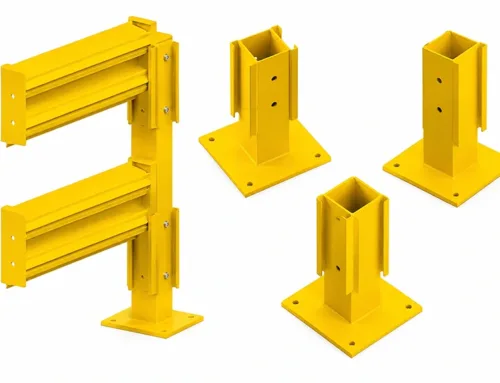
The modern alternative is an engineered, bolt-together architecture. Our system is designed for rapid assembly using only standard hand tools. With pre-tapped fixing rings and modular connection points, your team can erect meters of fencing in the time it takes to weld a single post. This “clean install” process supports strict 5S standards, keeping your facility pristine and ready for customer sign-off from day one.
Agility in the Face of Reality: Adapting to the Unexpected
Every project manager knows the “As-Built” drawings rarely match the “As-Designed” plans. A structural column is slightly off-center, or a cable tray runs lower than expected. With rigid, welded fencing, these minor discrepancies trigger major delays, requiring off-site refabrication and expensive change orders.

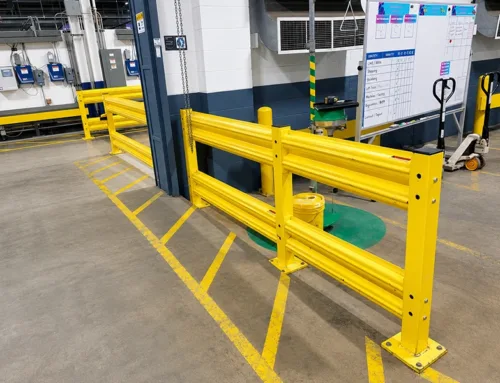
Modular systems adapt effortlessly to complex, large-scale layouts with multiple gates and angles, as seen in this facility overview.
Modular safety fencing transforms these obstacles into simple adjustments. Our unique Adjustable Fixing Rings allow panels to slide up or down the post to accommodate uneven floors or overhead obstructions. Need to route around a pillar? Simply adjust the angle of the connection or swap a standard panel for a narrower width. This on-site adaptability ensures your project stays on critical path, regardless of facility quirks.
Total Cost of Ownership: The Maintenance Math
The purchase price of steel is only the tip of the iceberg. The real cost lies in the lifecycle of the barrier. In a busy logistics center or manufacturing plant, forklift impacts are inevitable. When a welded fence is damaged, you often have to cut out the entire section and weld in a patch—a costly, downtime-heavy repair.
With a modular system, maintenance is a matter of minutes. If a mesh panel is damaged, you simply unbolt the four connection points and swap in a spare. The structural posts—made from heavy-duty Q235 Carbon Steel with a 2.0mm wall thickness—are designed to withstand impacts that would crumple lighter alternatives. This “component-level” repairability drastically reduces your long-term maintenance budget and keeps your lines running.
Conclusion: Investing in Velocity and Flexibility
Don’t let a static safety barrier become the anchor that drags down your project’s agility. By choosing a system engineered for speed, cleanliness, and adaptability, you are investing in the operational velocity of your entire business. Make the shift to modular safety fencing and turn your perimeter from a construction project into a strategic asset.
Frequently Asked Questions
1. Does the “no welding” installation compromise the strength of the fence?
Not at all. Our system uses high-strength M10 expansion bolts for floor anchoring and robust steel fixing rings for panel connections. The Q235 carbon steel construction ensures the system meets TUV-certified impact resistance standards equivalent to or better than welded alternatives.
2. How do you handle uneven concrete floors during installation?
This is where our Adjustable Fixing Rings shine. Unlike welded tabs that are fixed at a specific height, our rings can slide up and down the post. This allows installers to level the mesh panels perfectly, even if the floor varies in height across the run.
3. Can I easily add a door to an existing fence line later?
Yes. Because the system is modular, you can remove a standard mesh panel and replace it with a pre-assembled door module (hinged or sliding) using the same posts. This flexibility is ideal for evolving production lines.
4. What tools are required for assembly?
You mostly need standard hand tools: a hammer drill for the floor anchors, an impact driver or wrench for the bolts, and a level. No welders, grinders, or painting equipment are needed, making the process clean and quiet.
5. Is the powder coating durable enough for harsh industrial environments?
Yes. Our components undergo a rigorous electrostatic powder coating process that passes ISO 9227 salt spray testing. This ensures long-term resistance to corrosion, scratches, and chemical exposure common in manufacturing settings.