EN
EN  DE
DE  RU
RU  PT
PT  JA
JA  ES
ES  IT
IT Industrial Safety Fencing for audit-ready segregation
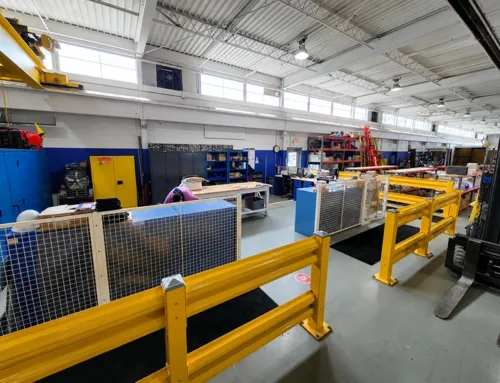
When allergen segregation is an audit requirement, paper SOPs are not enough. Industrial Safety Fencing turns zone rules into a physical boundary for allergen raw material areas, hold-and-release zones, quarantine areas, and chemical storage zones.
Why food plants get challenged on allergen segregation
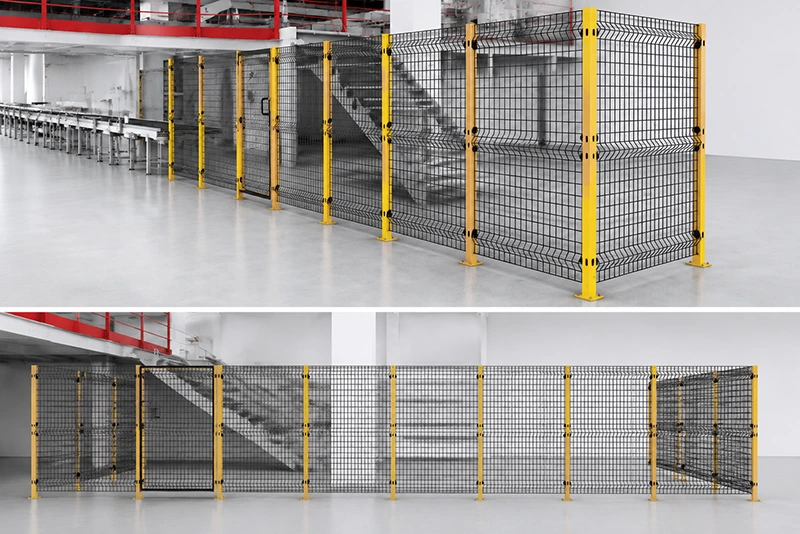
For FSMA 21 CFR 117, BRCGS, IFS, and SQF audits, the question is not whether the SOP says “separate.” The question is whether the site can prove that unauthorized people, mixed pallets, and shortcut traffic cannot easily cross the line. Painted floor marks, barrier tape, and temporary ropes can guide behavior, but they do not stop it. A solid wall does stop it, but it is expensive, permanent, and often blocks line-of-sight supervision.
That gap is why warehouse zoning, storage area separation, and material segregation need a barrier that is visible, rigid, and still easy to reconfigure when the layout changes.
What Mefence changes in the zone-control logic
| Audit problem | Old workaround | Mefence response |
|---|---|---|
| People walk through a “restricted” area anyway | Floor tape, signs, rope barrier | Industrial safety fencing creates a physical barrier that supports hazard zone separation |
| Supervisors must see what is inside the zone | Solid wall partitions | Welded wire mesh keeps visibility open for quick inspection |
| Layout changes during storage and production planning | Permanent masonry or fixed partitions | Modular reconfigurable system for quick area setup and relocatable reuse |
| Cleaning around the boundary becomes difficult | Dead corners and hidden surfaces | Open mesh structure reduces dust-trap surfaces and keeps routine cleaning simpler |
Why this industrial safety fence fits audit-driven warehouse zoning
Visible separation without blind spots
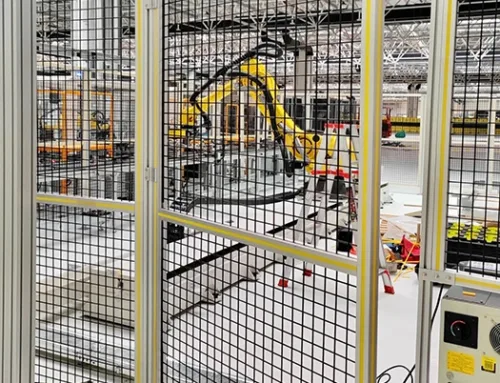
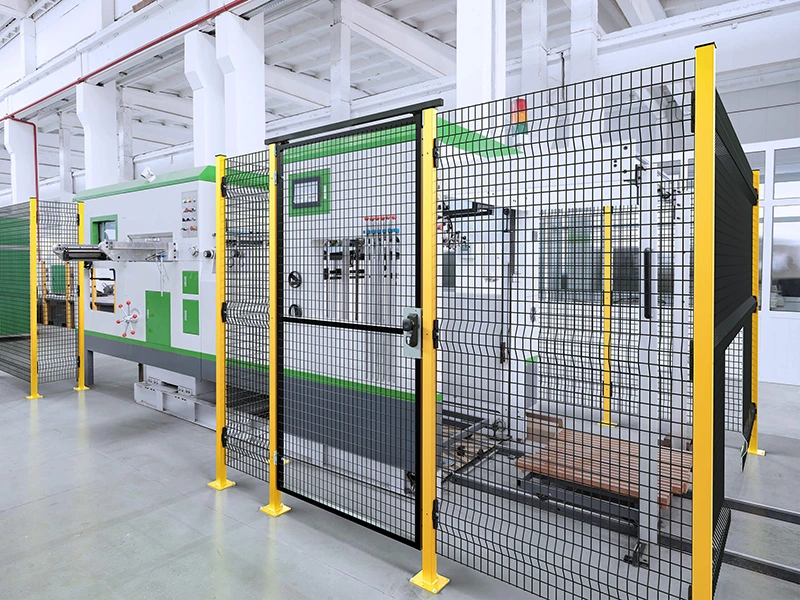
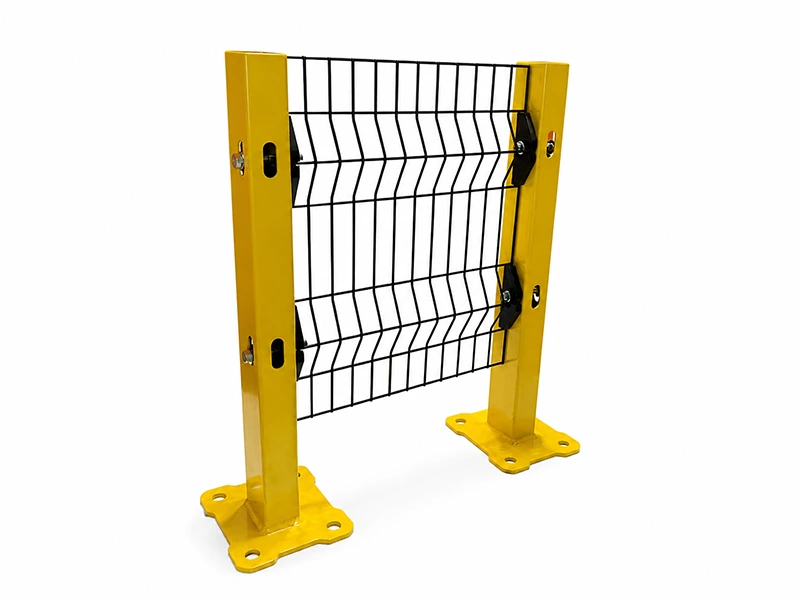
The welded wire mesh panel lets supervisors and auditors see whether allergen raw materials, hold-and-release material, or nonconforming goods are actually where they should be.
Rigid connection hardware that makes the boundary real
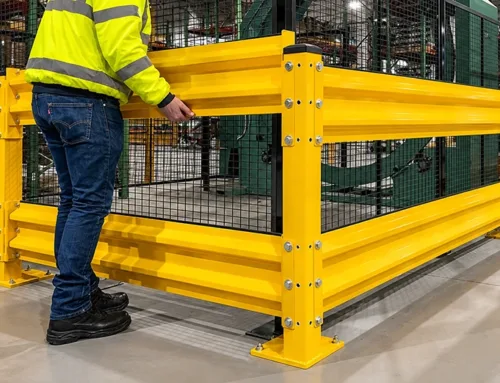
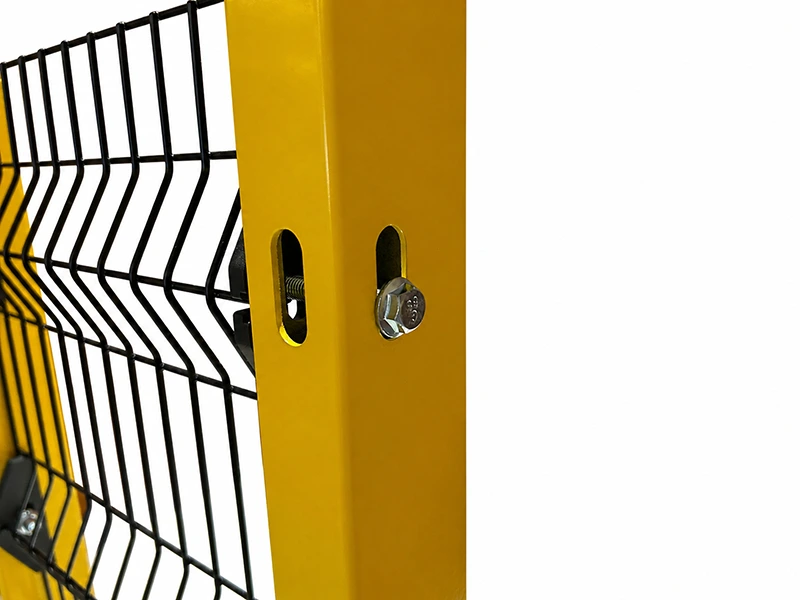
The slotted mounting holes, clamp connections, and bolt-down base plates help the panel stay aligned during daily traffic. That is the difference between a rule on paper and a boundary that keeps working after one busy shift.
Modular layout for multiple segregation zones
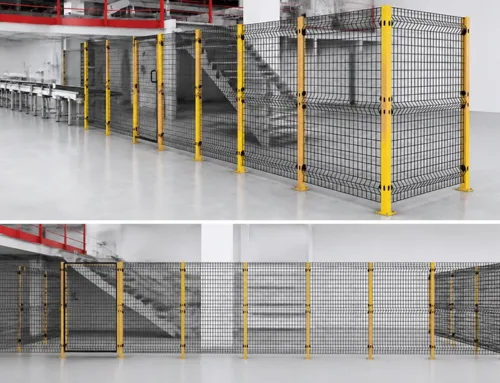
Mefence can be used for allergen storage segregation, quarantine areas, rejected material isolation, chemical storage perimeter control, and other warehouse zoning tasks without welding work on site.
Where Mefence is the better fit than a wall
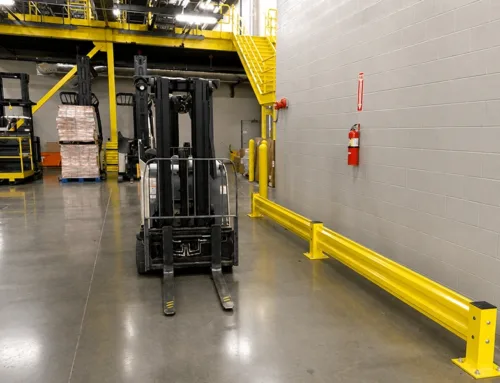
If the goal is area demarcation, pedestrian separation, forklift path barrier control, or a quick install safety fence for a temporary or semi-fixed zone, Mefence is a practical fit. It helps one-person installation, avoids welding at the site, and supports a relocatable reusable fence strategy when the layout changes after an audit or line move.
That is also why it works well for warehouse partition use, tool crib enclosure, material segregation, and warehouse zoning around allergen-related inventory.
Specification note for procurement and audits
- Product form: industrial safety fence / frameless safety fence / wire mesh machine guard
- Structure: powder coated steel posts, welded wire mesh panels, bolt-down base plates
- Use case: warehouse zoning, storage area separation, hazard zone separation, machine guarding
- Boundary note: this is a steel fencing system for warehouse and perimeter segregation, not a food-contact surface and not claimed as hygiene-grade equipment
Final result
When the audit question is “Can you prove physical separation?”, Mefence gives you a boundary that people can see, supervisors can inspect, and operators cannot casually ignore. That is the practical value of industrial safety fencing: it converts a written segregation rule into a physical fact.
Use Industrial Safety Fencing to make allergen segregation visible, rigid, and easy to verify.