EN
EN  DE
DE  RU
RU  PT
PT  JA
JA  ES
ES  IT
IT Food plant construction fence blog
Construction Fence for Food Plants: Zero-Weld Mefence Installations That Avoid Hot Work Permits
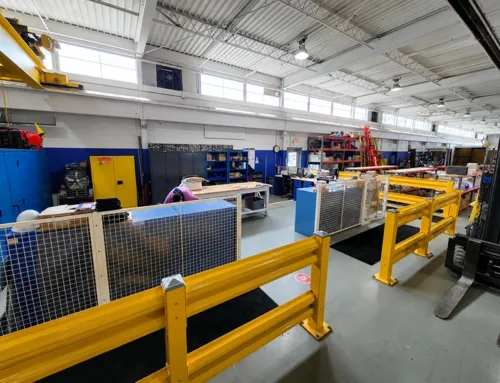
When a food factory already has dust, cartons, and live production lines on the floor, a construction fence that needs welding can turn a small job into a permit-heavy shutdown. Mefence solves that with a modular industrial safety fence built for clip-in, no-flame installation.
What changes when the site is a live food factory
The problem is not only the fence itself. The problem is the method. In a food plant, face-to-face approvals are usually triggered by hot work permit rules, because a welding torch or grinding spark can force isolation, fire watch, and cleanup. That means flour, milk powder, sugar powder, cardboard, and plastic packaging all become part of the permit discussion. Mefence is designed to remove that gatekeeper. The fence is still a steel machine guarding system, but the installation route avoids open flame, avoids sparks, and avoids the work that would normally slow the project down.
| Food plant constraint | Mefence response |
|---|---|
| Hot work permit, fire watch, and clear-out risk | Three-step clip fixing with no welding, no open flame, and no sparks during installation |
| Dust and packaging material make normal welding difficult | Weekend or night installation with no stop-the-line shutdown and no full area clearance |
| Need to zone production without rebuilding the plant | Modular reconfigurable system for area demarcation, hazard zone separation, and rapid machine guarding |
| Need proof that the barrier is rigid, not improvised | Q235 carbon steel structure, powder-coated steel finish, welded wire mesh, base plate posts, and access gate options |
Why welded construction fence work gets blocked in food production
1. The fence is easy; the permit chain is not
A conventional construction fence or welded square tube fence can look simple on paper, but in an operating food plant the approval chain is the real cost. If the job includes welding, the site may need a hot work permit, a fire watch, and a cleared work zone. That is hard to justify when production cannot stop and combustible dust is already part of the environment. This is why the job gets delayed even when the layout is already approved. The fence is not the bottleneck. The method is.
2. Why Mefence fits an operating plant
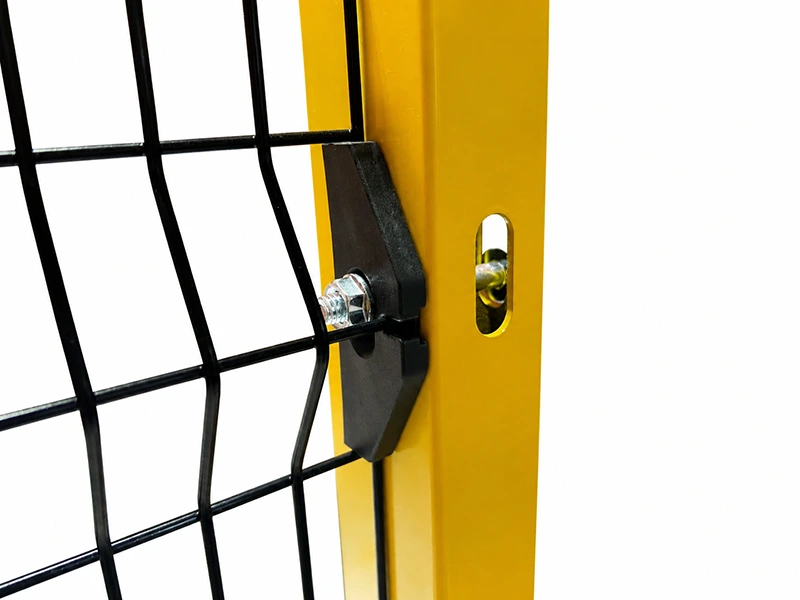
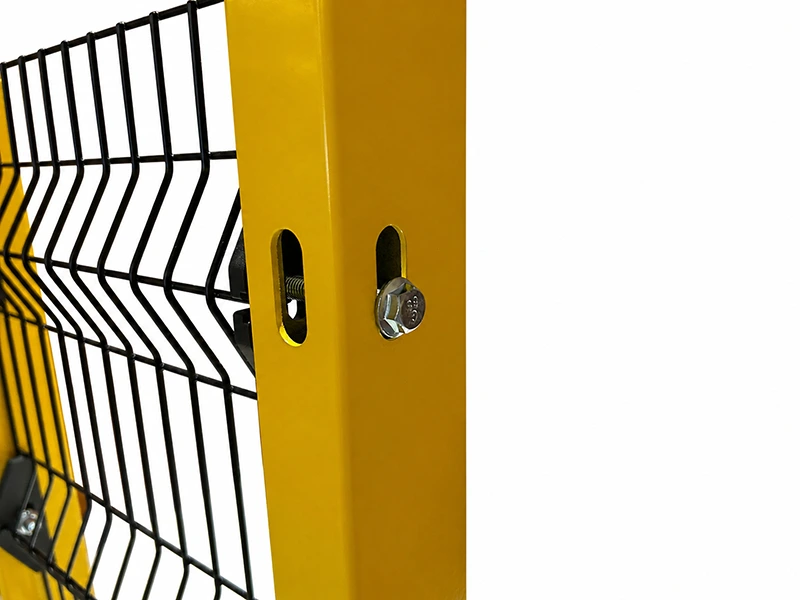
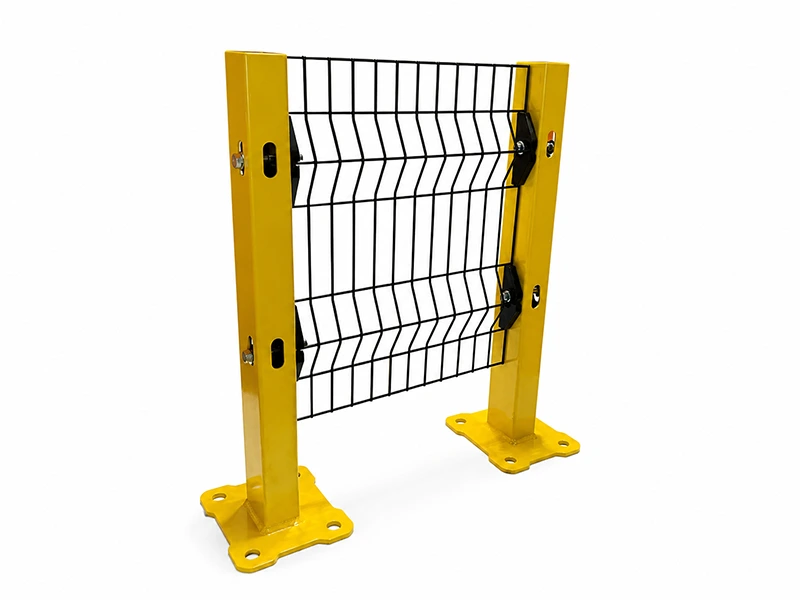
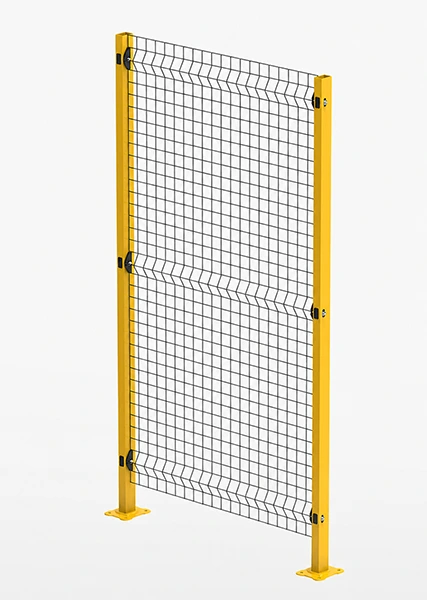
Mefence uses a modular industrial safety fence structure with clip fixing, slotted mounting holes, and bolt-down base plates. That means the team can assemble a framed or frameless safety fence without bringing welding gear into the building. For a food factory, that is the difference between waiting on a permit and getting the work done in a planned maintenance window. The system is suitable for warehouse zoning, workshop isolation, pedestrian separation, and machine guarding around live equipment. It is a construction fence in the sense that it creates a temporary build zone, but it does so with a cleaner installation method.
3. Structure and evidence on the ground
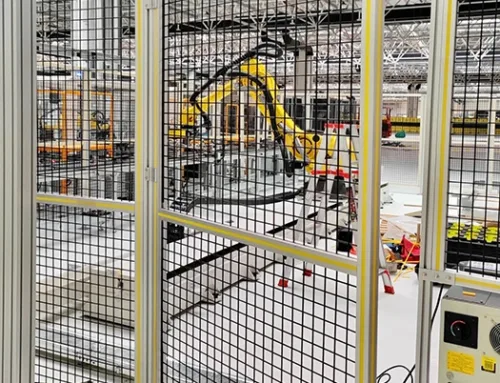
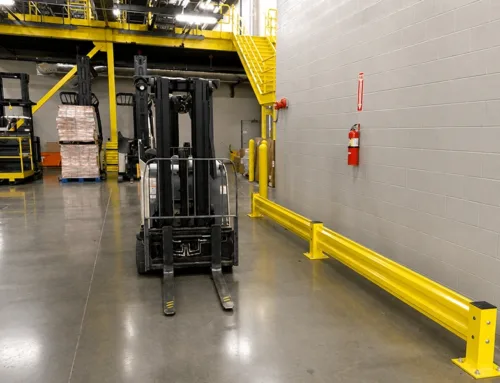
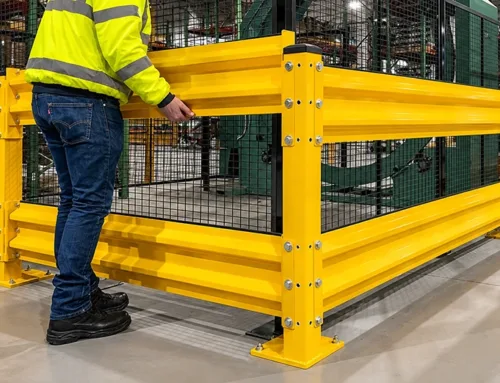
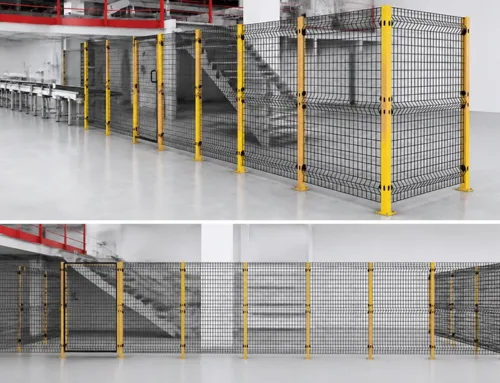
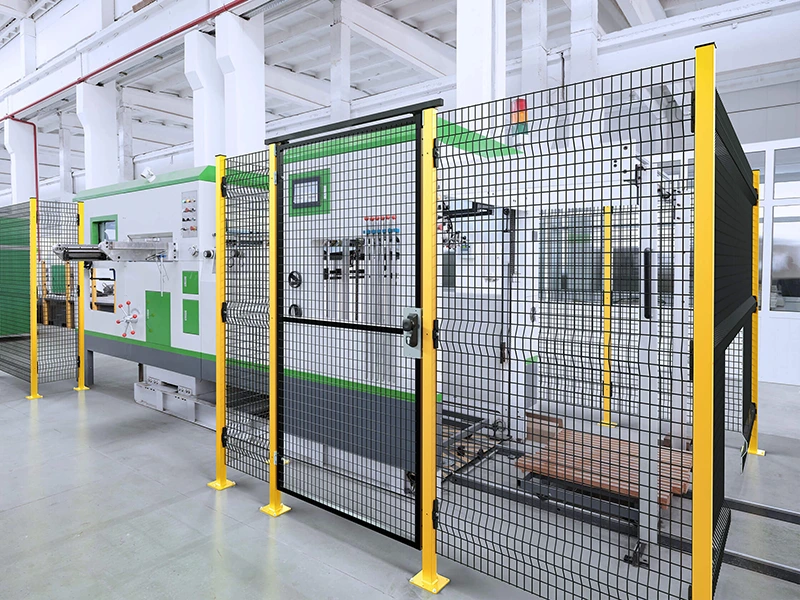
The photos show what matters: yellow powder-coated steel posts, welded wire mesh panels, base feet, and bolt-fixed connectors. These details are useful because they explain why the system is stable enough for real factory use while still being fast to install. Mefence also supports common spec ranges such as 3 mm or 4 mm wire diameter, 50 x 50 or 20 x 100 mesh opening, 40 x 60 or 60 x 60 post sections, and panel widths and heights that can be adapted to the zone. Just as important, the finish is a powder-coated steel surface, so the fence can fit the environment without becoming a welding job on site. Zero-weld refers to the installation process, not a fireproof or flame-blocking claim.
Where this approach pays off
- Food plants handling flour, milk powder, sugar powder, or other combustible dusts.
- Packaging and maintenance corridors where cartons, films, and plastic wraps are always present.
- Robotic workstation enclosure and automated equipment guarding in a live production hall.
- Weekend or night shift projects where no welding required is the only way to keep the plant running.
The extra value is simple: a construction fence is no longer a reason to stop the line. It becomes a fast area setup tool that lets the plant separate people, equipment, and materials without turning the project into a hot work event.
That is why buyers in food production usually ask a different question after they see Mefence: not whether the fence can be installed, but whether the site can afford the old method anymore. With modular reconfigurable system parts, one-person installation potential, and relocatable reusable fence design, the answer often changes from impossible to scheduled.
What to specify before the project starts
For a food plant installation, the useful inputs are the zone length, the required height, gate position, post section preference, and whether the barrier must support warehouse zoning, pedestrian vehicle separation, or machine guarding. If you need the work to stay out of the hot work permit process, say that first. Then match the panel width, wire diameter, and base plate post style to the space instead of forcing a welding sequence into the schedule.
Plan the construction fence without triggering shutdown
Mefence is built for sites where the method matters as much as the barrier. If your food plant needs a safe zone, a maintenance enclosure, or a production line divider without welding, without open flame, and without a full clean-out, this is the route to specify.