EN
EN  DE
DE  RU
RU  PT
PT  JA
JA  ES
ES  IT
IT Construction Fencing for Food-Line Reconfiguration
Construction Fencing for Fast Food-Line Rebuilds: Mefence Turns Repeated Changeovers into a Reusable Asset
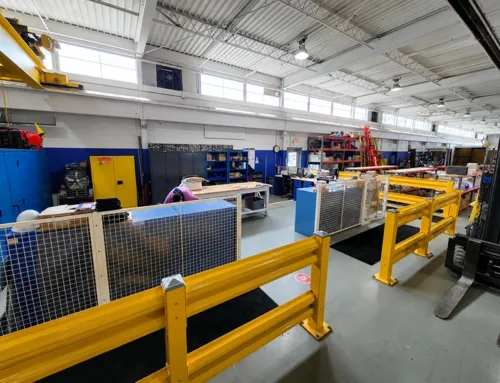
When SKU life cycles get shorter and product launches keep reshaping the floor, construction fencing should not behave like a sunk cost. Mefence frameless industrial safety fencing is built for fast disassembly, reuse, and on-site cutting, so line changes do not force a full tear-out and repurchase cycle.
Why construction fencing keeps failing in food and beverage plants
For a global food and beverage manufacturer, the pain is not only safety. It is the cost of every relayout: welded partitions get cut apart, steel gets scrapped, and a “temporary” change becomes a permanent loss. Mefence is designed as industrial safety fencing for frequent changeovers, warehouse zoning, machine guarding, and area demarcation, with a frameless design that can move with the next layout instead of fighting it.
| Changeover problem | Mefence response |
|---|---|
| Repeated line reshuffle | Clip fixing, bolt-down posts, and modular wire mesh machine guard panels support disassembly and reuse. |
| Waiting for custom fabrication | On-site cutting fence capability helps the fence follow pipes, columns, and odd corners without long lead times. |
| Wasted material after each rebuild | Relocatable reusable fence panels can be taken down and installed again in another area or another plant. |
| Mixed-surface plant floors | Base plate post installation and expansion bolt fixing support practical floor mounting on real factory layouts. |
| Need for safe access control | Gate hardware and clear mesh enclosure support machine guarding and pedestrian separation. |
What the structure proves on the floor
Frameless panels reduce teardown waste
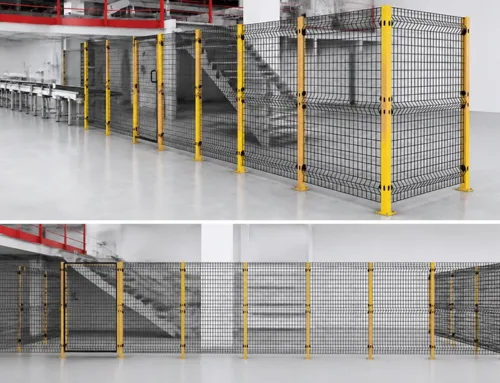
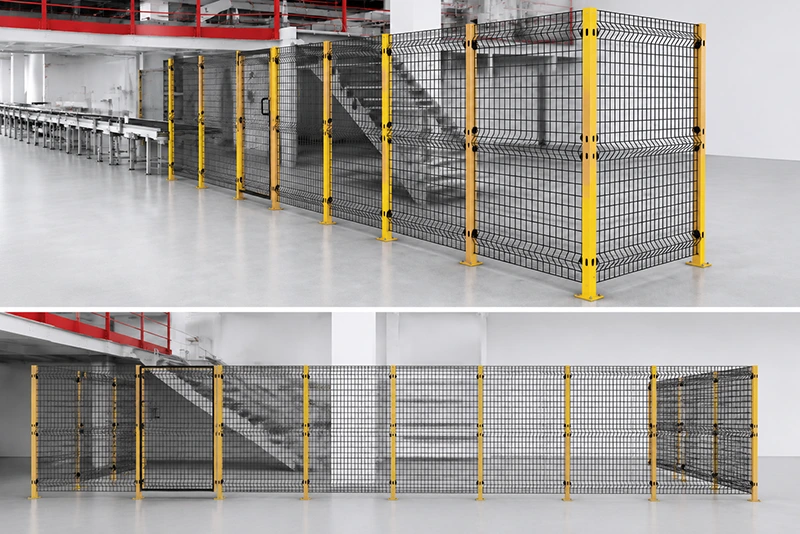
Mefence uses a frameless safety fence layout with welded wire mesh and modular posts, so a line that moves next quarter does not leave behind a dead investment. In food plants where seasonal products and trial runs change the footprint often, that matters more than a fixed welded fence ever can. Typical build options include wire diameter 3 mm or 4 mm, mesh openings such as 50×50 or 20×100, and panel widths from 200 to 1400 mm, which gives the system enough range to support area demarcation without forcing a custom rebuild for every change.
On-site cutting fits pipes, columns, and awkward corners
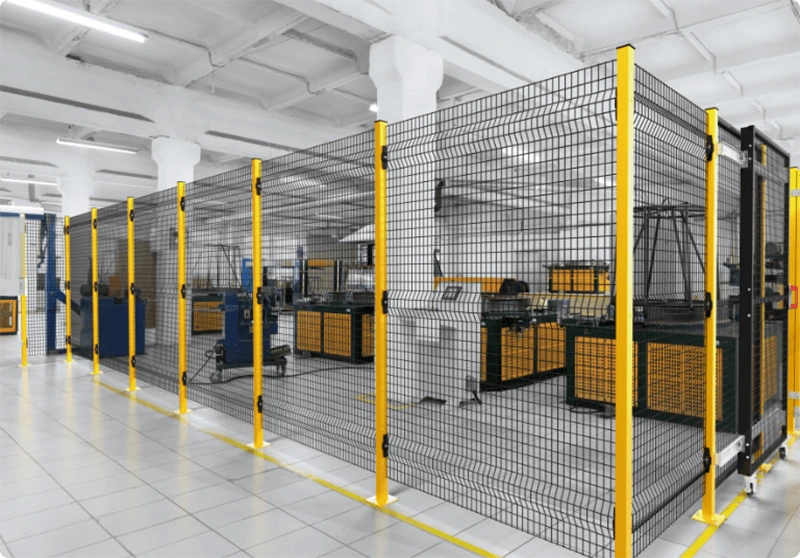
Factory layouts are rarely clean rectangles. A construction fencing system for this kind of work must pass around wall corners, utilities, and structural columns without waiting for a full redraw. That is where the on-site cutting fence approach pays off. The same industrial safety fence can be trimmed and adapted to the real site, while the powder coated steel finish helps the system stay presentable in machine guarding and storage area separation applications.
Gate, post, and connector details make the system reusable
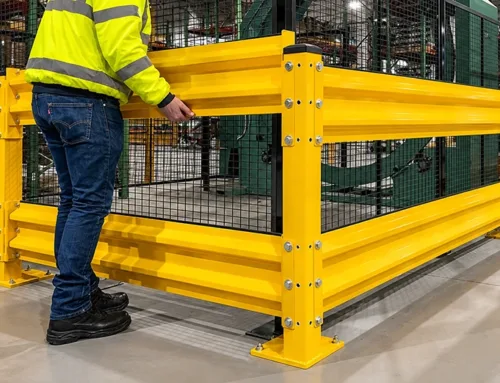
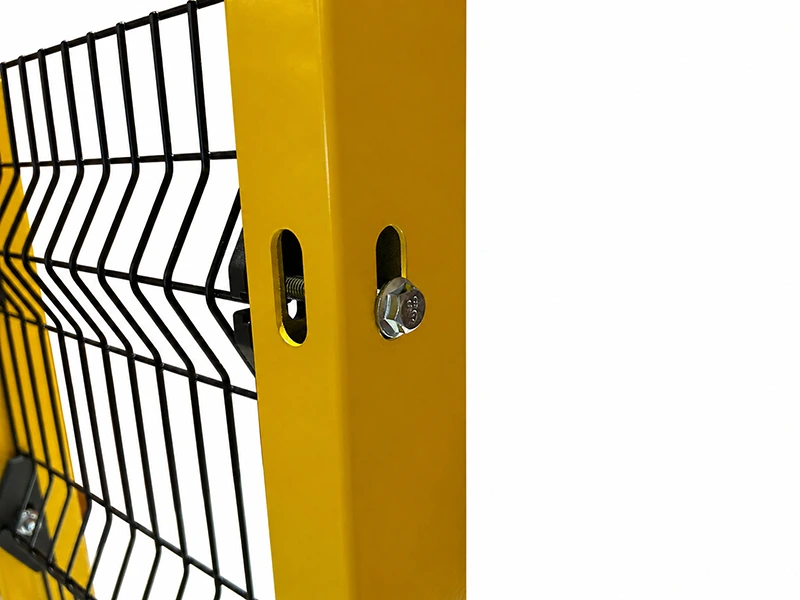
The connection detail is the real proof. Slotted holes, clip fixing, self-tapping screw hardware, and bolt-down base plates are what let the fence come apart cleanly and go back together in a new location. That is why a relocatable reusable fence changes the financial logic of construction fencing inside a reconfiguring plant: it behaves like a plant asset, not a civil attachment. With 40×60 or 60×60 post options, the system can be matched to heavier or lighter guarding needs without losing its modular character.
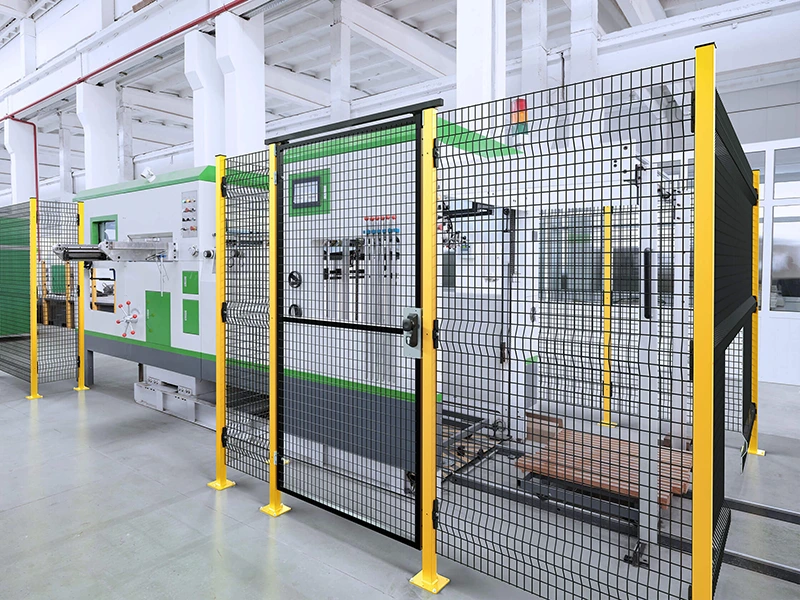
Where this industrial safety fencing fits best
- Warehouse zoning and storage area separation during seasonal peak shifts
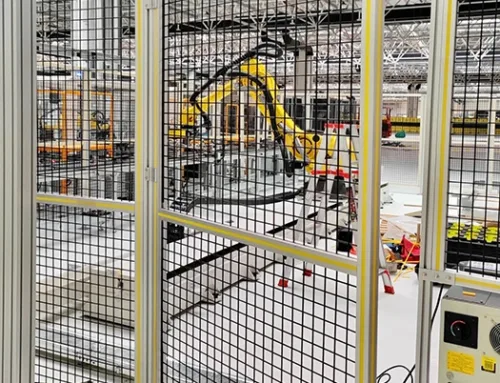
- Machine guarding around packaging, filling, and conveyor equipment
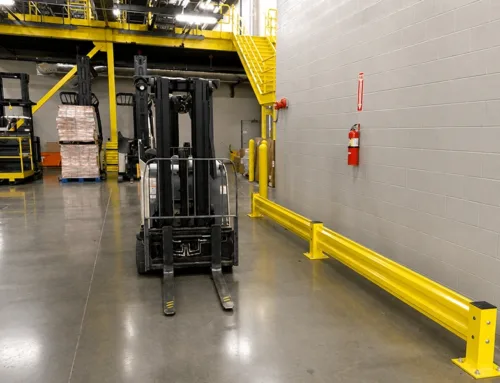
- Pedestrian vehicle separation in shared logistics aisles
- Temporary partition work during production line reconfiguration
- Workshop isolation for pilot runs, trial SKUs, and short-life product launches
For plants that change their floor plan more than once a year, construction fencing should be quick to install, quick to move, and quick to reuse. Mefence does that by combining modular enclosure logic with real-world installation details, so the next rearrangement does not start with demolition.
What to specify before your next changeover
Before you rework a line, define the fence height, panel width, wire diameter, gate position, and post size. Then match those items to the actual floor, not a theoretical drawing. That is how construction fencing becomes an operational tool for area demarcation, not an expense that needs to be written off after the next relayout.
Ready to replace sunk-cost fencing with reusable guarding?
If your plant is in a reconfiguration cycle, Mefence can help you move from welded, disposable partitions to a modular industrial safety fence that follows the process flow. Send your layout and we will review the fence line, gate needs, and cut points.