EN
EN  DE
DE  RU
RU  PT
PT  JA
JA  ES
ES  IT
IT Industrial Safety Barrier for Automation Zones
Industrial Safety Barrier for AGV, AMR, and Driverless Forklift Zones
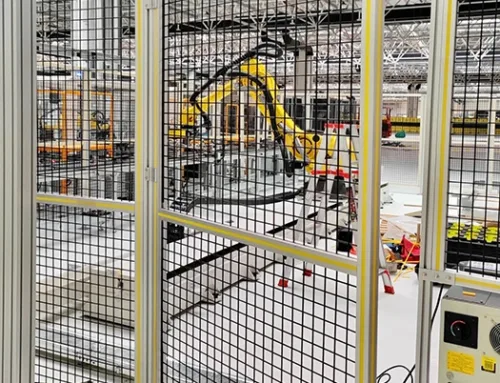
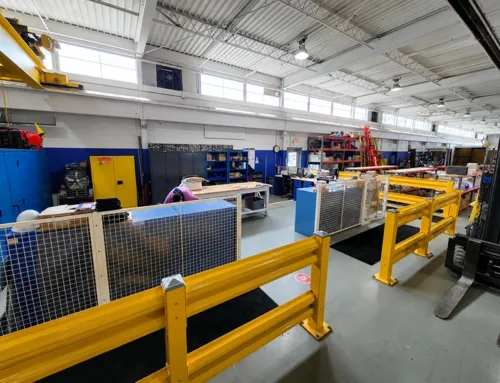
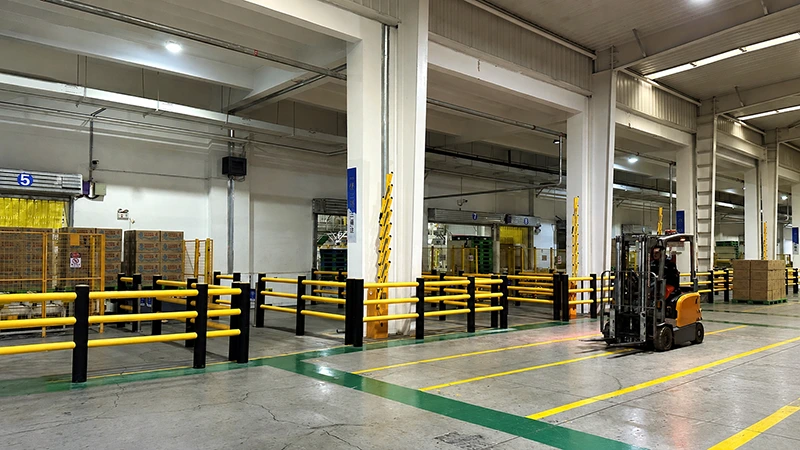
When automated warehouses add AGV routes, robot charging points, and human-handoff lanes, the barrier has to do more than block traffic. FCBarrier is an Industrial Safety Barrier built as a Flexible Safety Barrier for retrofit-heavy DCs: it helps isolate machine zones, absorbs low-speed contact, and reduces the chance that a rigid steel barrier turns a small scrape into expensive equipment damage.
Why Automation Sites Need a Different Barrier
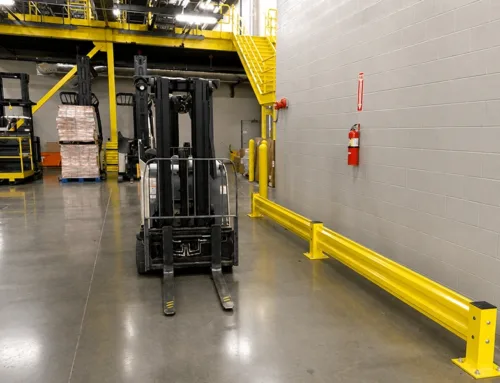
AGV and AMR traffic changes the collision pattern inside a facility. The old logic was simple: stop forklifts with steel. But in robot-heavy zones, a rigid steel barrier can scratch chassis, damage sensors, or create secondary repair work after a low-speed bump. FCBarrier uses a polymer safety barrier approach, so the protection stays focused on impact absorption, low maintenance, and fast retrofit deployment.
| Situation | What FCBarrier Addresses |
|---|---|
| AGV / AMR travel lanes | Creates a clear physical edge for robot routes and human walk paths |
| Charging and handoff zones | Separates personnel, vehicles, and automation equipment in tight interfaces |
| Retrofit in live DCs | Modular installation helps add protection without a full shutdown |
| Low-speed contact events | Energy absorbing structure helps limit damage to expensive automation assets |
Why This Flexible Safety Barrier Fits Robot-Heavy Warehouses
1) It protects the automation asset, not just the lane
In a traditional steel barrier layout, a small scrape can turn into a costly repair on the barrier and on the robot itself. FCBarrier is designed to be an Industrial Safety Barrier with polymer construction, so low-speed contact is handled with a softer, energy-absorbing response that is far less aggressive to AGV and AMR bodies.
2) It is built for fast retrofit, not long disruption
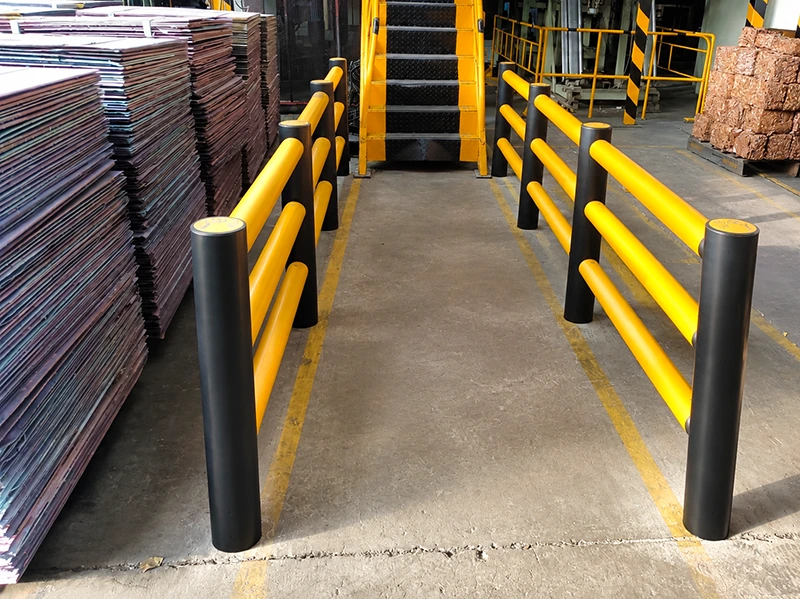
Automation sites rarely have the luxury of a long shutdown. FCBarrier uses a mortise and tenon quick-install structure with modular installation logic, which makes it practical for live distribution centers, charging bays, and robot handoff areas where changes must happen quickly and cleanly.
3) The structure supports long-term operational stability
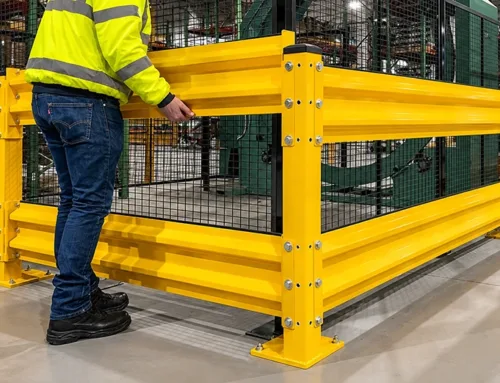
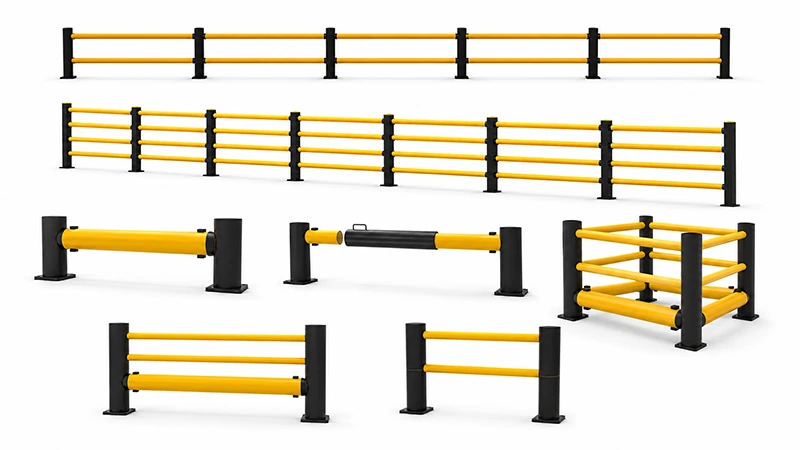
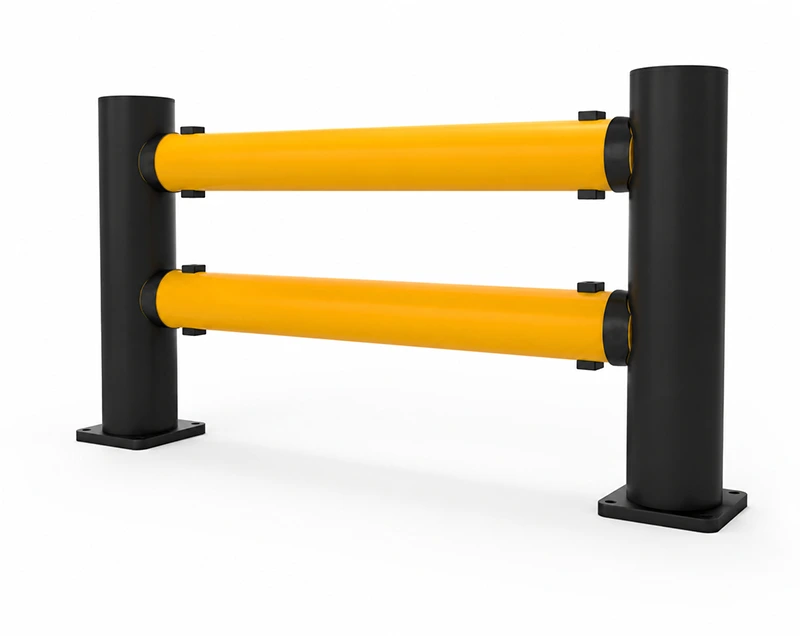
FCBarrier combines modular rails, floor-anchored bases, and a self-rebounding barrier body that can absorb impact and return to service faster than a damaged rigid guardrail. Public product data highlights impact resistance, energy absorbing behavior, and a 28,950J rated barrier configuration for demanding industrial safety barrier applications.
Where FCBarrier Is Used
- AGV and AMR route separation inside automated warehouses
- Robot charging and battery swap areas
- Human-machine handoff zones and access boundaries
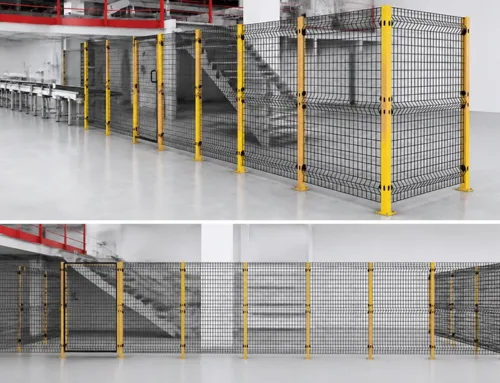
- Equipment perimeter protection near conveyors, docks, and work cells
- Retrofit barrier upgrades for live logistics centres and distribution centres
For operators under pressure to keep uptime high, the result is simple: clearer segregation, fewer secondary repairs, and a safer path for both people and automation equipment.
What the Structure Means in Practice
FCBarrier does not replace traffic planning; it makes the plan enforceable on the floor. By pairing a Flexible Safety Barrier with modular installation and low-maintenance polymer construction, the site gets a barrier that supports workplace safety, forklift accident prevention, and asset protection without treating every contact as a major repair event.
Plan the Right Industrial Safety Barrier Layout
If your facility is adding AGVs, AMRs, or driverless forklifts, we can help map the barrier layout around routes, charging areas, and handoff points so the protection matches the automation flow.