EN
EN  DE
DE  RU
RU  PT
PT  JA
JA  ES
ES  IT
IT Cold-chain protection for warehouse operators
ARMORFLEX Barrier for Cold Storage Safety: Why Polymer Guard Rails Beat Rust-Prone Steel
For cold storage, food, and pharmaceutical warehouses, ARMORFLEX Barrier gives you a corrosion-free Flexible Safety Barrier concept that fits damp, washdown-heavy environments. The honest caveat: SGF has not published a tested low-temperature special version yet, so cold-chain use should be paired with a verified −30°C impact program before any formal promise.
What cold-chain buyers need to solve first
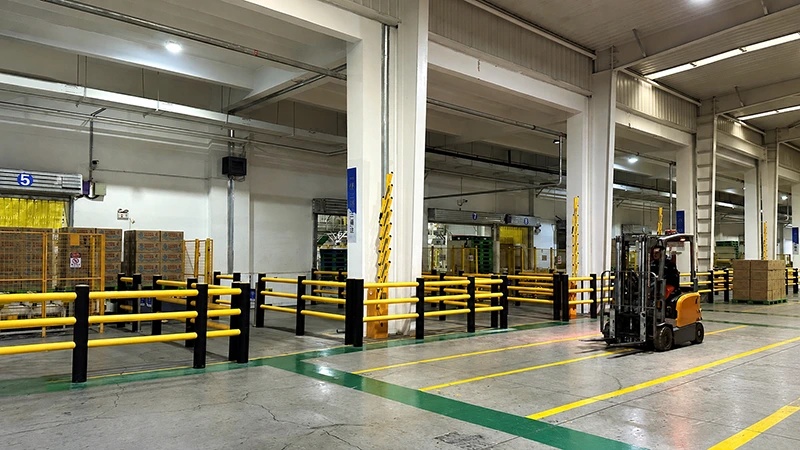
Steel barrier systems can rust in humid refrigeration zones, coatings can fail after repeated washdowns, and low temperatures can make some metal solutions less forgiving at impact. In food and pharmaceutical plants, hygiene, corrosion resistance, and easy cleaning matter as much as collision protection.
| Cold-chain pain point | Practical response |
|---|---|
| Rust and coating failure in humid or chilled zones | Polymer Safety Barrier material is naturally Corrosion Free and does not rely on repainting |
| Washdown, hygiene, and contamination control | Food & Beverage Safety Barrier and Pharmaceutical Plant Safety use cases favor easy-clean, low-maintenance surfaces |
| Forklift impact risk in narrow cold aisles | Flexible Guardrail concepts help protect racking, equipment, and pedestrian routes |
| Need for honest cold-temperature validation | Current public materials do not publish a tested low-temperature version; validate impact at the target temperature before formal claims |
Why ARMORFLEX Barrier fits the job
1) Corrosion-free by material, not by coating
In a cold storage barrier application, the value is simple: avoid steel barrier rust, avoid coating maintenance, and reduce the repair cycle that follows failed paint or surface damage. ARMORFLEX Barrier is positioned as a Polymer Safety Barrier, so the anti-corrosion benefit comes from the material choice itself.
2) Modular barrier structure supports retrofit projects
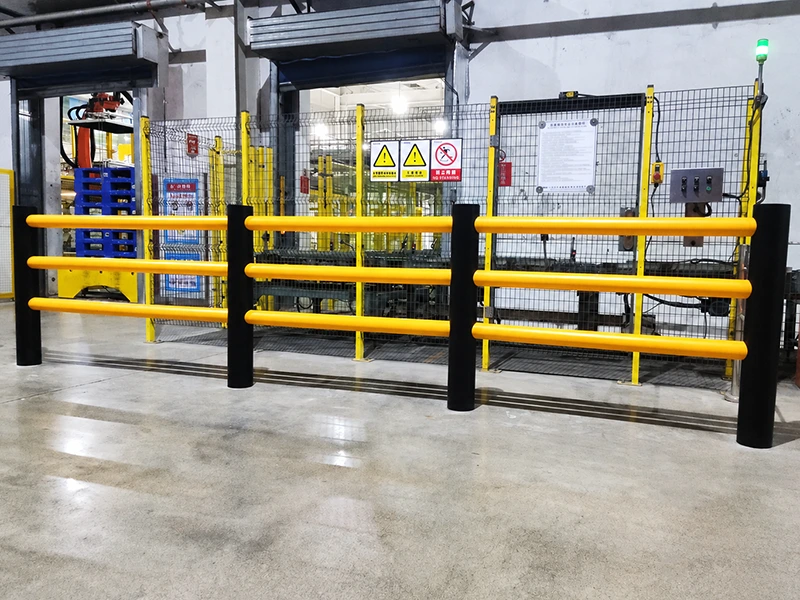
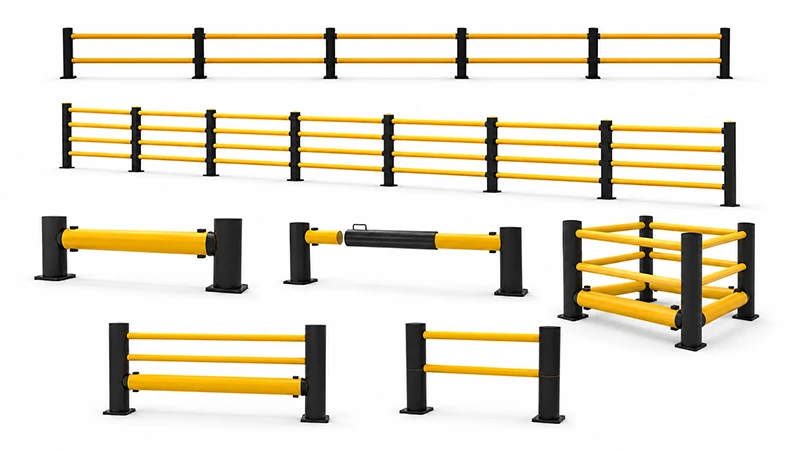
Many cold warehouses need a retrofit barrier, not a full rebuild. The FCBarrier family includes modular rails, floor-anchored base plates, and quick-install details that suit aisle protection, loading dock protection, and warehouse safety barrier layouts around existing racks and equipment.
3) Evidence should be validated before any low-temperature promise
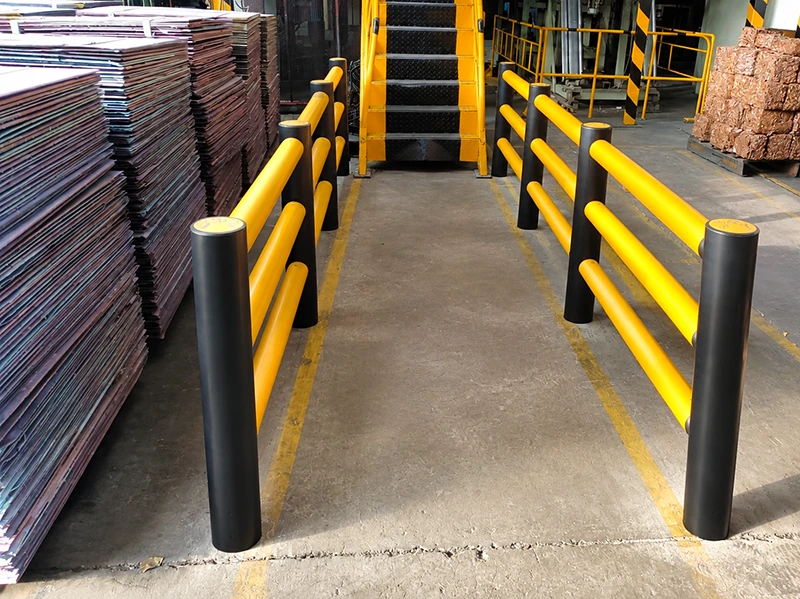
SGF has not yet published a tested low-temperature special version. That is not a weakness to hide; it is a validation task to complete. For food & beverage safety barrier or pharmaceutical plant safety projects, the next proof step should be a verified impact test at the target temperature, such as a −30°C program, before marketing cold-chain suitability.
Where buyers usually apply it
- Warehouse Safety Barrier for cold aisles and rack ends
- Loading Dock Protection around chilled receiving bays
- Food & Beverage Safety Barrier in washdown-heavy zones
- Pharmaceutical Plant Safety where corrosion resistance matters
- Retrofit Barrier upgrades for existing logistics centres
For cold storage, the keyword set buyers often use includes Flexible Safety Barrier, Flexible Guardrail, Industrial Safety Barrier, and Cold Storage Barrier. The product fit is strongest when the project values corrosion resistance, easy maintenance, and clean installation more than painted steel hardware.
What to verify before specifying
Before you lock this into a cold-chain project, request temperature-specific impact data, cleaning requirements, installation notes, and the service scope for the exact aisle, dock, or rack protection layout. That keeps the specification honest and avoids overpromising on an unverified low-temperature version.
Need a cold-storage barrier plan?
Share the site temperature range, traffic speed, and protection zone. We can map a polymer barrier layout that matches your warehouse safety barrier or loading dock protection requirement.