
 EN
EN  DE
DE  RU
RU  PT
PT  JA
JA  ES
ES  IT
IT Best safety fencing for automated assembly lines?
Your robotic cell is commissioned, the PLC code is flawless, but the entire project is on hold. Why? The safety fencing doesn't align with the specified interlock, and the end-client's EHS manager just red-tagged your installation. On-site fabrication is not an option. This isn't a fencing problem; it's a project-killing
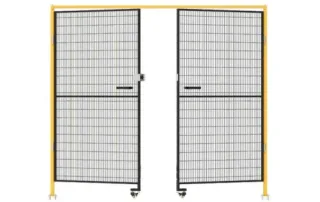
How many people are needed to install fencing?
Your robotic cell is ready for commissioning, but the perimeter guard is still a pile of raw steel. Hot work permits, on-site welding, and project delays are not an option for your timeline. What if two technicians could complete the entire installation in a single shift with just a wrench?
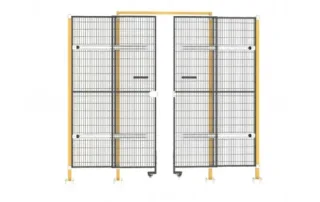
Do I need yellow or black safety fencing?
Your new robot cell is a black box. Operators are squinting through the glare of all-yellow mesh to check cycle status, and maintenance teams waste precious minutes trying to diagnose a jam from outside the perimeter. Safety is paramount, but blinding your team isn't the solution. There is a more
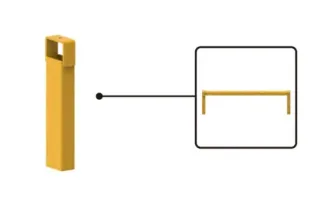
Space-saving safety fences for narrow areas?
Your robot cell layout is approved, but the physical footprint is suddenly unworkable. The safety fence demands a buffer zone so large it's blocking the AGV path and making the entire line inefficient. Now, a simple compliance issue threatens to derail your project timeline and budget. Talk With An Expert
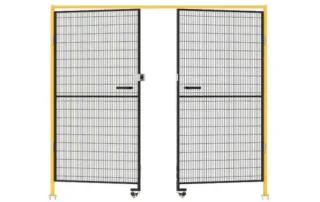
How to repair damaged safety fence panels fast?
A forklift breach just took down your robot cell guard. Is that a 10-minute panel swap or a 4-hour hot work shutdown with angle grinders and welders? Your OEE is bleeding. Every minute of downtime on your automated line is a cost you can't recover. The difference is in the
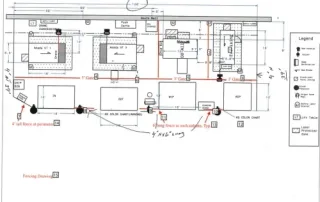
What locks work best with machine guarding?
Your robot cell layout is approved. The PLC is programmed. But will the specific safety interlock you chose actually fit the machine guarding you ordered? Don't let a last-minute bracket fabrication or misaligned switch derail your project timeline and site acceptance test (SAT). Talk With An Expert As a system
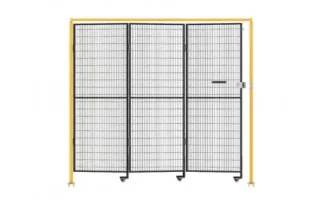
Minimum distance for robot safety fencing?
Your new robot cell layout is perfect on paper. But on the factory floor, standard safety fencing forces you so far back from the machine that your forklift aisle just disappeared. Every inch of wasted space is a hit to your production density and a permanent operational headache. There has
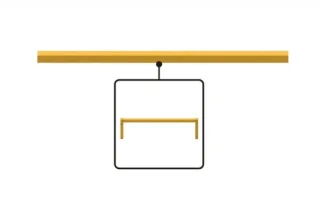
DIY machine guarding vs professional systems?
Your robot cell integration is state-of-the-art. But what happens when the "cost-effective" guarding you specified requires on-site welding, delaying commissioning by a week and failing the end-client's final EHS audit? There's a smarter way to de-risk your integration projects. Talk With An Expert DIY machine guarding vs professional systems? For
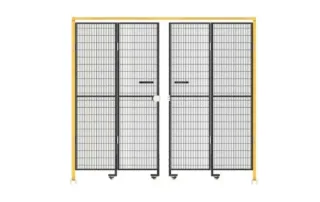
How long do industrial safety fences last?
Your robot cell integration project is on a tight deadline. The last thing you need is a safety guard that fails the end-customer's EHS audit or requires on-site welding and hot work permits. The real question isn't just 'how long will it last,' but 'will it adapt and stay
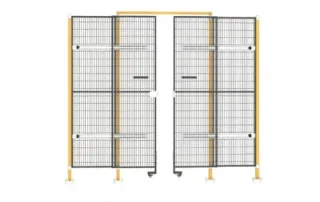
Can I adjust my safety fence after installation?
The end-client just requested a last-minute layout change. The robot's end-of-arm-tooling has a wider swing than the initial CAD file showed. Now, the entire safety perimeter for the new automated production line is off by six inches. With a traditional welded fence, this means angle grinders, hot work permits, and

