
 EN
EN  DE
DE  RU
RU  PT
PT  JA
JA  ES
ES  IT
IT 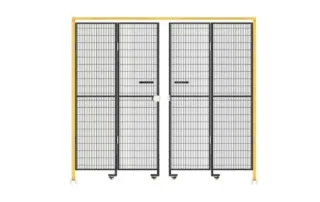
Difference between fixed fencing and mobile/modular fencing?
Choosing the right safety barrier for your facility is a critical decision that impacts not just safety, but also your operational efficiency and future adaptability. While traditional fixed, welded fencing has long been an option, modern modular systems present a fundamentally different approach to industrial safety. Understanding their core differences
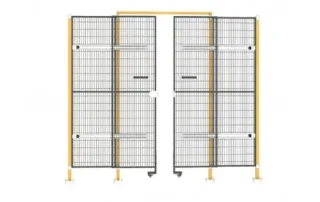
Can the fencing protect against debris/sparks, not just restrict access?
Your industrial safety fencing is more than a boundary; it's an active shield. In high-energy environments like automated welding or CNC machining, the right fencing system is your first line of defense against catastrophic equipment damage and personnel injury from flying debris and sparks. Discover how engineered containment solutions go
What is the typical lead time and installation time?
In automated production, project timelines are non-negotiable. Delays in installing critical safety infrastructure can cascade, impacting commissioning dates and budgets. Understanding the factors that define lead and installation times for Machine Guarding Systems is the first step toward optimizing your project schedule and ensuring a seamless integration process from day
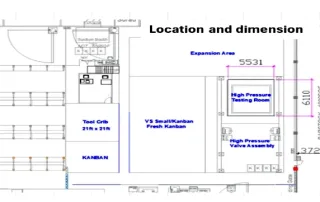
What is the standard height for safety fencing?
Determining the correct safety fence height is more than a compliance checkbox; it's a critical engineering decision that directly impacts personnel safety and operational uptime. The answer isn't a single number, but a calculation based on your specific risks. A modular system provides the flexibility to meet both baseline standards
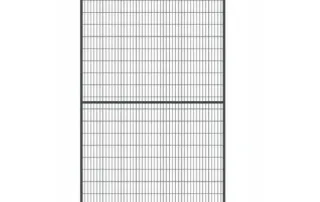
What materials are commonly used: steel mesh, polycarbonate, aluminum?
When designing a safe and efficient automated workspace, the choice of materials for your machine guarding is not just a detail—it's a fundamental decision that impacts safety, operational visibility, and long-term durability. Understanding the distinct advantages of steel mesh, polycarbonate, and solid panels is the first step toward building a
What is industrial safety fencing and why is it required?
In modern industrial automation, safety is not an option—it's an engineered necessity. A robust safety fencing system is the first line of defense in protecting personnel, safeguarding high-value equipment, and ensuring regulatory compliance. Discover how a modular, high-impact system can be integrated into your facility to enhance safety and operational
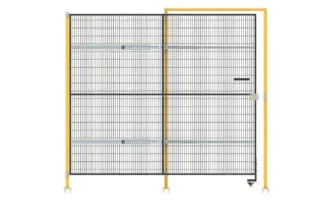
industrial mesh partitions
Managing safety across borders is a logistical minefield. What passes a safety audit in Shanghai (GB standards) might fail in Stuttgart (ISO) or Detroit (OSHA). For **multinational manufacturers**, maintaining a consistent safety culture is impossible when every plant uses a different local supplier for **machine guarding**. Stop reinventing the
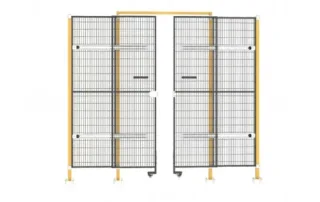
metal mesh partition wall
The robots are calibrated, the **PLC** code is bug-free, and the **assembly system** is running at rate. Yet, you can't invoice your final milestone payment because the safety officer flagged a "punch list" of guarding issues. In the world of **turnkey solutions**, the fence is often the last thing
wire mesh dividers
Procurement celebrates saving 10% on the initial purchase of cheap welded fencing. But six months later, when a forklift creates a dent, the **maintenance department** pays the real price. Fixing a traditional welded fence means shutting down the line, issuing "hot work" permits, and dragging in welding gear. Stop
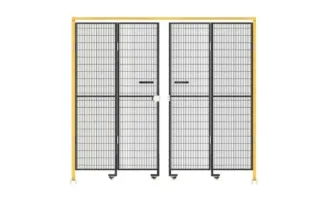
wire mesh partition panels
In a competitive **system integration** market, your engineering hours are your most precious resource. Every hour your senior mechanical engineer spends drawing standard **machine guarding** or calculating bolt counts is an hour stolen from optimizing complex **robotics integration** logic. Stop "building to print" from scratch. Discover how partnering with

