DE
DE  EN
EN  RU
RU  PT
PT  JA
JA  ES
ES  IT
IT 
I’m talking about your critical infrastructure. The rows of grey electrical cabinets, the complex network of pipes carrying essential fluids, the climate control systems, and the fire suppression pumps. These are not just pieces of equipment; they are the foundational pillars that make all other work possible. While they may not be part of the value-adding production process themselves, their uninterrupted function is non-negotiable.
The catastrophic failure of this infrastructure is a unique and often underestimated risk. An impact to a pallet of finished goods is a manageable financial loss. An impact to the main power distribution panel for your entire facility is an existential threat to your operational continuity.
The High-Stakes World of Infrastructure Protection
Let’s consider the specific vulnerabilities of three common types of facility infrastructure:
1. The Electrical Nerve Center (Switchgear, MCCs, PLC Cabinets)
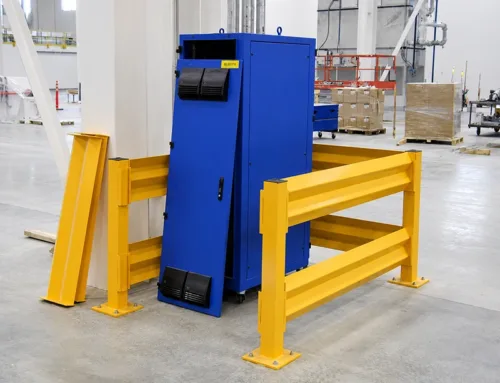
In any modern facility, these cabinets are the brain. They control everything. A direct impact from a forklift on one of these enclosures doesn’t just dent a metal box; it can sever power to an entire line, corrupt sensitive programmable logic controllers (PLCs), or even trigger an arc flash event, posing an extreme danger to personnel. The consequences are not just downtime; they are data loss, complex reprogramming, and the painstaking process of troubleshooting highly sensitive electronics. The cost of replacing a PLC is trivial compared to the cost of lost production and engineering hours required to get the line running again. This is a scenario where a simple, low-speed impact can have a consequence that can easily run into the millions of dollars.
2. The Fluid and Gas Arteries (Pipelines, Valves, and Pumps)
Look along the walls of your plant. You’ll see arteries of pipes carrying compressed air, coolant, water for fire suppression, and other essential fluids. Like the electrical system, these are vital. An accidental impact here can lead to a range of failures, from a simple production halt due to a loss of compressed air, to a significant safety or environmental incident if a hazardous chemical line is ruptured. Protecting these systems isn’t just about preventing leaks. It’s about ensuring the integrity of your entire process environment and safeguarding against incidents that can trigger regulatory scrutiny and costly cleanup operations.
3. The Mechanical Heart (HVAC, Compressors, Fire Pumps)
Often housed in their own mechanical rooms but still accessible by maintenance vehicles, these large pieces of equipment are the heart and lungs of your building. They are expensive to replace and have long lead times for parts. A collision that damages a main compressor or a critical fire pump can have consequences that ripple out for weeks or months, affecting everything from environmental compliance to your facility’s fundamental ability to operate safely.
An Engineering-Grade “Insurance Policy”
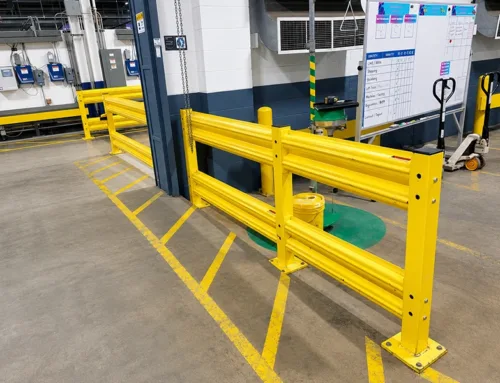
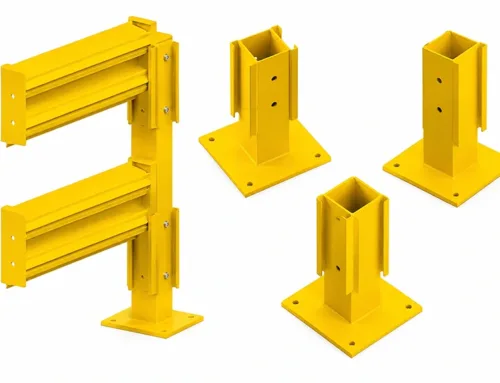
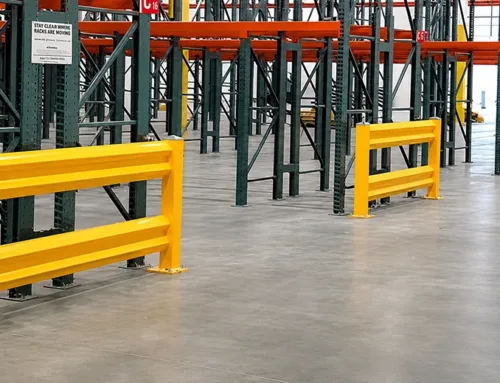
For these critical infrastructure zones, protection cannot be an afterthought or a suggestion. It must be a deliberate, robust, engineering-grade solution. This is where heavy-duty, impact-rated Lagerleitplanken move from being a “safety product” to being an essential component of your facility’s reliability and disaster recovery plan. By strategically installing a barrier like a 3-rib, double-rail system around these assets, you are not just installing a fence. You are drawing a hard, physical line that says, “The operational chaos of the factory floor stops here. Inside this perimeter lies the infrastructure that no accident is allowed to touch.” It provides a level of certainty that no administrative rule can offer. It ensures that a moment of human error in the aisle does not translate into a multi-week shutdown of your entire operation.
Protect Your Foundation First
Take a moment to map the true nervous system of your facility. Identify the handful of critical points where a single impact would cause the most disproportionate amount of damage. Are they protected by anything more than a painted line on the floor? While we spend millions protecting our digital infrastructure with firewalls and cybersecurity, we often leave our physical infrastructure—the systems that power, cool, and enable everything else—vulnerable to the most common of industrial accidents.
Investing in the protection of your facility’s foundational infrastructure with robust Lagerleitplanken is one of the highest-leverage decisions a manager can make. It is a direct investment in operational resilience, uptime, and the long-term health of your entire business.