
 DE
DE  EN
EN  RU
RU  PT
PT  JA
JA  ES
ES  IT
IT 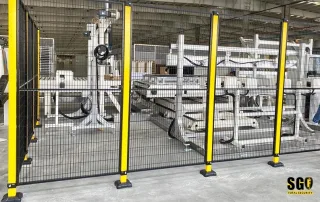
Maschinenschutzsysteme für stauanfällige Abfallleitungen mit STO-Abschaltung
Machine Guarding Systems for jam-prone scrap lines with STO lockout.
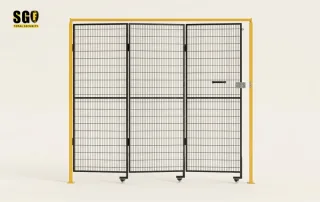
Maschinenschutzzaunfelder für stauanfällige Schrottlinien mit verriegelten STO-Türen
Machine guarding fence panels for jam-prone scrap lines with interlocked STO doors.
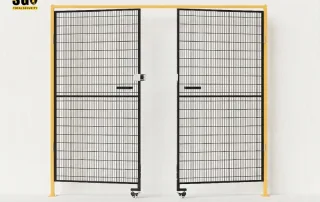
Zaunabsicherung für stauanfällige Schrottlinien mit STO-Abschaltung
Fence guarding for jam-prone recycling and baling lines, with Omron/Pizzato-ready interlocks and STO lockout that cuts restart risk at the gate.
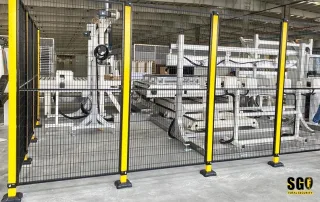
Schutzzaun für verstopfungsanfällige Recyclinganlagen mit STO-Abschaltung
Mdfence turns a machine guarding fence into an active lockout point for jam-prone recycling lines, with direct interlock mounting and STO circuit integration.
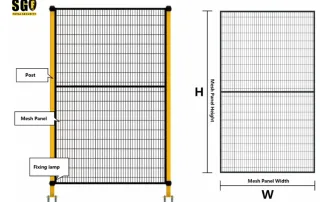
Maschinenschutzzäune für dichte Recyclingzentren mit 120 mm gesetzlichem Abstand
Machine guard fencing for dense recycling centers that need compact legal separation and more usable floor area.
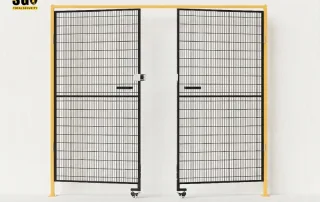
Industrieller Sicherheitszaun für dichte Schrottsortieranlagen
When every square meter in a metal recycling plant is expensive, Mdfence helps indoor sorting lines keep compliance tight while reducing the legal safety setback to 120mm.
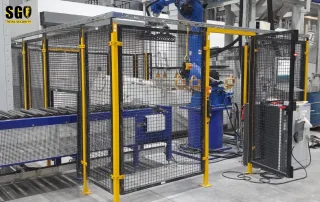
Roboter-Sicherheitszaun für dichte Schrottsortieranlagen, wo Platz knapp ist
Robot Safety Fence for dense scrap sorting centers where space is scarce. Mdfence keeps the legal guard line compact so indoor recycling plants preserve valuable floor area.
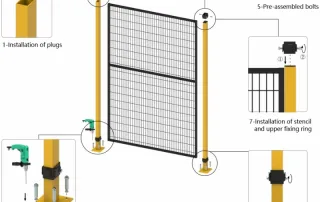
Maschinensicherheitszaun für dichte Schrottsortierzentren, wo jeder Millimeter zählt
Machine safety fence for dense scrap sorting centers where floor space is too valuable to waste on oversized safety setbacks.
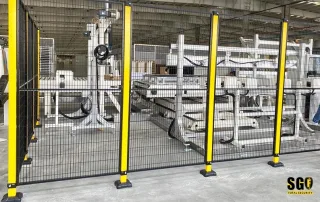
Maschinenzaun für dichte Schrottlagerung und Innen-Sortieranlagen
Machine Fence helps dense scrap storage and indoor sorting sites protect people without wasting valuable floor area. A 20x100 mm precision mesh and a 120 mm legal separation distance keep the layout compact while staying compliant.
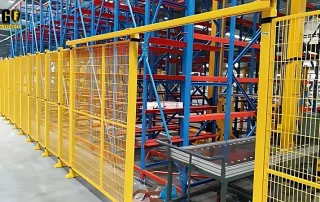
Sicherheitszaun Industrie für Schrott- und Demontagelinien: Wie Mdfence Aufprall und umherfliegende Trümmer blockiert
Mdfence is a safety fence industrial solution for scrap-breaking and vehicle dismantling zones, built to resist impact and help contain flying metal debris.

