
 DE
DE  EN
EN  RU
RU  PT
PT  JA
JA  ES
ES  IT
IT 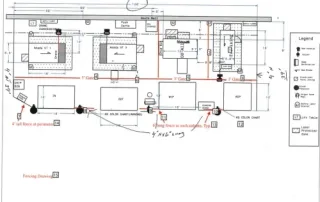
Save Space with Safety Fence Industrial
Your client's factory floor is shrinking, but their automation demands are growing. Every square inch you save on the safety footprint is a win for production flow and your project's bottom line. Stop letting bulky, non-compliant guarding dictate your robot cell layout. Talk With An Expert Save Space with Safety
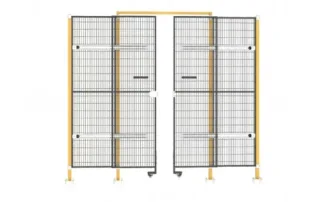
Robot Safety Fencing Systems: Setup Guide
Is your robot cell integration project being held hostage by on-site welding and last-minute safety compliance issues? The endless cycle of hot work permits, messy fabrication, and failed EHS audits costs more than just money—it costs you time and your reputation with the end-client. Stop improvising and start engineering your
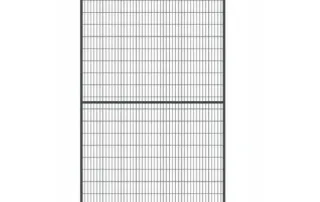
Industrial safety fencing for multi-robot work cells?
Your multi-robot cell design is approved, but the go-live date is tight. Now you're facing the challenge of specifying, fabricating, and integrating a safety system that won't get rejected by the end-user's EHS team. What if your physical guarding was as precise and predictable as your PLC code? Talk With
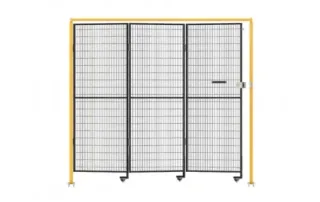
Safety fencing for automated assembly lines?
Your multi-million dollar automation project is on the line. The robot is programmed, the PLC logic is flawless, but the entire system is held up at the Factory Acceptance Test (FAT) because the safety guarding was an afterthought. On-site welding, drilling, and makeshift brackets for safety interlocks are burning time
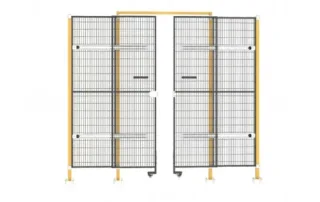
Anti-scratch machine guarding for high-value products?
Your team just spent six months integrating a robotic cell for polishing high-gloss automotive trim. The system works perfectly, but the client rejects the project at final sign-off. The reason? Micro-scratches on the finished parts, traced back to the sharp, unfinished edges of the "cost-effective" welded machine guarding. Now, you're
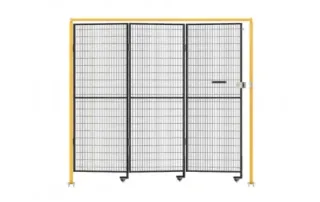
Easy to assemble robot safety fencing kits?
Your robot integration project is on a tight deadline. The last thing you need is a week of on-site welding, grinding, and hot work permits just for the safety guarding. What if you could deploy a fully compliant, bolt-together Robot Safety Fencing system in a fraction of the time, with
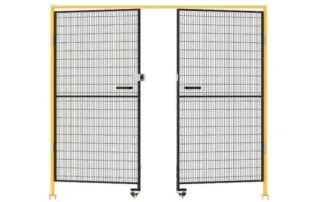
How much force can industrial safety fencing withstand?
Your new robotic cell is running at peak capacity, but what happens when a 200 lb workpiece slips from the gripper at high speed? Is the 'safety' fence you specified a genuine, engineered barrier, or just a visual marker waiting to fail? The difference is measured in Joules, and it's
Safety fencing with emergency exit push bars?
Your robot cell is built, the PLC is programmed, but the project is stalled at the final EHS buy-off. Why? The safety gate sags, causing nuisance trips on the interlock, or worse, it lacks a compliant emergency egress system. A simple mechanical push bar isn't the answer; you need an
Custom height industrial safety fencing for tall machines?
Your new robotic cell is taller than the standard 6.5-foot fence can handle. The integrator is quoting a custom-welded cage, which means hot work permits, production downtime, and a permanent structure you can't modify when the line is retooled in two years. This delay and inflexibility are putting your project
See-through machine guarding for equipment monitoring?
Your OEE is dropping because operators have to shut down the line just to see inside a robot cell. Solid guards create blind spots, and standard reflective mesh is a visual nightmare. This constant stop-and-start for simple monitoring is costing you valuable production time. Talk With An Expert See-through machine

