
 DE
DE  EN
EN  RU
RU  PT
PT  JA
JA  ES
ES  IT
IT 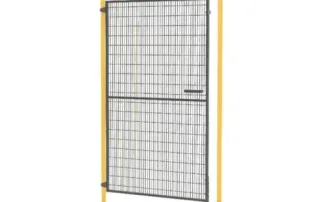
machine guard fencing for high speed machines.
Deploying high-speed mechanical assembly machines and robotic work cells requires balancing aggressive cycle times with strict OSHA and ISO 14120 compliance. Relying on local fabricators for custom-welded barriers introduces unpredictable lead times, messy hot work on your clean plant floor, and a nightmare when integrating safety interlocks for PLC integration.
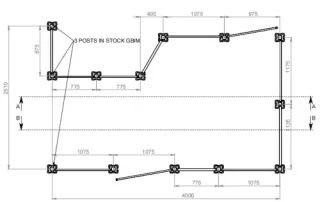
Robot Safety Fence distance from robot arm.
Calculating the exact robot safety fence distance from a robot arm isn't just a compliance checkbox—it's the difference between a fully optimized factory floor and wasting thousands of dollars on dead space. If your current mesh size forces you to push your perimeter guarding 33.5 inches (850mm) away from the
Machine safety fence with interlock doors.
Nuisance tripping and misaligned interlock switches are the silent killers of OEE in automotive robotic cells. When you are integrating high-speed assembly lines or CNC machining centers, relying on flimsy wire mesh and onsite drilling for safety switches leads to sagging doors, broken Safety Torque Off (STO) circuits, and costly
Machine Fence assembly without welding.
For automation system integrators, cell commissioning is a race against the clock. Waiting for hot work permits, dealing with weld spatter near sensitive electro-optical elements, and shutting down adjacent CNC machining centers just to erect a perimeter barrier destroys your profit margins. You need a turnkey solution that deploys instantly.
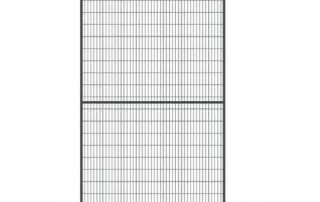
safety fence industrial mesh size for fingers.
When integrating high-speed mechanical assembly machines or 6-axis robotics layouts, every square inch of your shop floor is premium real estate. Yet, using the wrong mesh size on your perimeter guarding forces you to push barriers up to 33.4 inches away from the hazard to pass EHS audits. Discover how
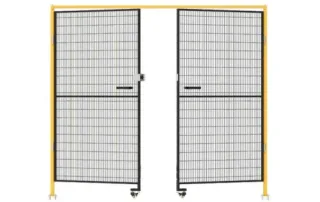
Installing Industrial Safety Fencing on concrete.
Securing a high-speed robotics layout isn't just about the steel panels—it's about how that steel interacts with your factory floor. When a 5,000 lb forklift nudges a perimeter guard, or a CNC machining center generates constant low-frequency vibration, poorly anchored fences transfer sheer kinetic force directly into your concrete slab.
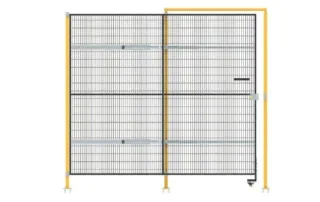
Robot Safety Fencing for high-speed welding.
In high-speed automotive welding cells, cycle time is everything. But when a KUKA or FANUC robot is slinging heavy chassis parts and throwing welding spatter, generic wire mesh won't cut it. You don't just need a physical barrier; you need an ISO 14120 compliant, plug-and-play guarding system that integrates flawlessly
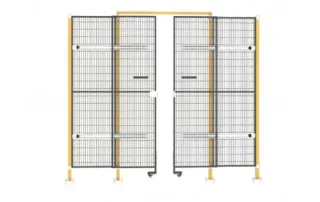
Replacing damaged Machine Guarding Fence Panels quickly.
In high-speed automotive assembly and robotics integration, a forklift backing into your automated production line shouldn't dictate your shift's output. When a heavy material handling vehicle damages your perimeter, every minute spent cutting, grinding, and welding drains your OEE (Overall Equipment Effectiveness). You need a system that allows your maintenance
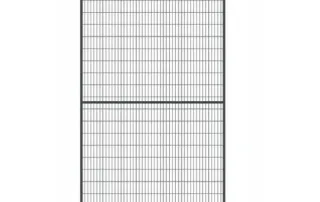
High-visibility colors for Robot Safety Fencing Systems.
In high-speed automotive assembly lines and dense robotics layouts, a gray or uniformly painted perimeter is a collision waiting to happen. When forklifts and AGVs navigate tight aisles carrying heavy dies or engine blocks, a barrier that blends into the background means bent frames, shattered safety light curtains, and massive
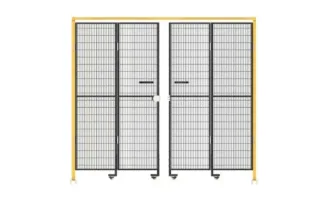
Safety guarding systems for multi-station assembly.
Integrating robotics and high-speed mechanical assembly machines into a turnkey solution is complex enough without safety perimeters eating up your floor space or delaying EHS sign-off. If you are dealing with sagging doors causing interlock faults, oversized mesh forcing massive safety distances, or hot-work permits delaying your line commissioning, you

