
 DE
DE  EN
EN  RU
RU  PT
PT  JA
JA  ES
ES  IT
IT 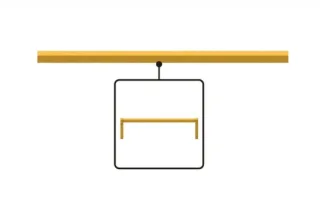
Can Robot Safety Fencing stop high-speed ejections?
In high-speed CNC machining and robotic assembly, a dropped payload or a shattered spindle tool isn't just a hiccup—it's a deadly projectile. When a 15-lb aluminum workpiece is ejected at 50 mph from a turning center, a standard frameless wire mesh will stretch like a trampoline and fail, sending shrapnel
Proper height for Machine Fencing to prevent reach-over?
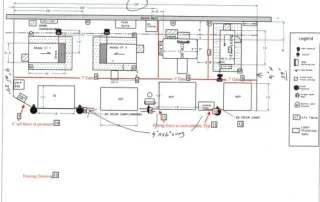
Proper height for Machine Fencing to prevent reach-over? In high-speed automated production lines, a jammed mechanical assembly or a misaligned sensor often tempts operators to bypass safety protocols. If your perimeter barrier is too low, workers will attempt to reach over the top to clear the fault without triggering the
How do safety interlocks work with perimeter guarding?
In automotive automation and robotics integration, a perimeter guard is more than just a physical barrier—it is the foundational carrier of your machine's safety logic. When integrating PLe/SIL3 safety interlocks into high-speed mechanical assembly machines, relying on flimsy mesh that sags causes switch misalignment, triggering phantom machine stops and destroying
Do safety fences require grounding or earthing?
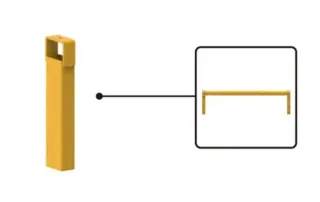
Setting up a high-speed mechanical assembly machine or a robotic welding cell? You are dealing with massive electrical loads, servo motor EMI, and strict OSHA/ISO audits. One overlooked detail—like whether your physical perimeter acts as a stray current hazard—can delay commissioning by weeks and fail safety inspections. Let's resolve the
What is the maximum gap allowed under a machine safety fence?
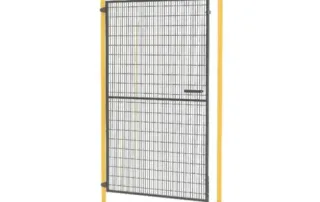
When integrating industrial robots into a high-speed mechanical assembly line, failing a safety audit over a floor-level clearance error is a costly nightmare. If a dropped CNC machined part rolls out, or an operator slides a foot under the barrier near a welding station, the resulting machine shutdown and system
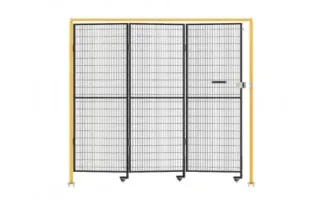
Can safety fencing be customized for irregular layouts?
When integrating high-speed mechanical assembly machines or robotic work cells into an existing automotive plant, standard square grids fail. You are dealing with tight AGV paths, overhanging conveyors, and CNC machining centers that demand zero clearance. Custom-welding a barrier on-site means hot work permits, production downtime, and scrapped metal when
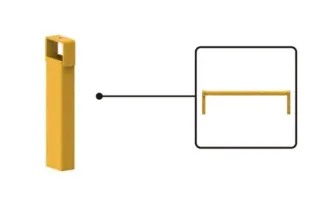
Which ISO standards apply to industrial safety guards?
You just integrated a $250,000 6-axis robotic welding cell. The servo motors are tuned, the PLC is programmed, but the plant's EHS manager just halted the launch. Why? Because the perimeter guarding doesn't meet ISO compliance for safety distances, and a forklift just bent the flimsy aluminum profile door. You
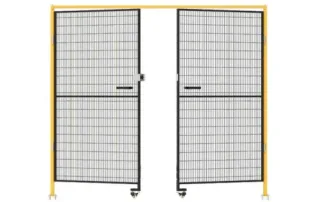
What is the standard height for machine safety fencing?
When designing a new turnkey solution or integrating a 6-axis KUKA/FANUC robot into an automotive welding station, guessing the physical perimeter requirements can lead to failed EHS audits or catastrophic downtime. You don't just need a barrier; you need an ISO 13857-compliant structure that perfectly balances reach-over protection with operator
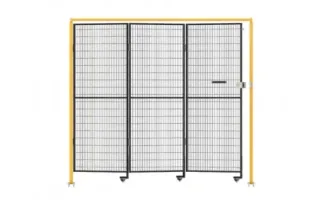
How much does industrial robot safety fencing cost per meter?
Quoting a new robotic welding cell or a high-speed CNC machining center? The true cost of your safety perimeter isn't just the raw steel. It is the engineering hours wasted drilling holes for safety interlocks, the valuable plant footprint lost to non-compliant mesh sizes, and the delayed commissioning when a
What is the difference between a safety light curtain and a safety fence?
When designing automated production lines or high-speed mechanical assembly machines, relying solely on electro-optical sensors leaves your high-value assets vulnerable. A light curtain will trigger an Emergency Stop, but it cannot physically stop a 220 Lbs (100kg) metal part ejected from a CNC machining center, nor can it prevent a

