DE
DE  EN
EN  RU
RU  PT
PT  JA
JA  ES
ES  IT
IT 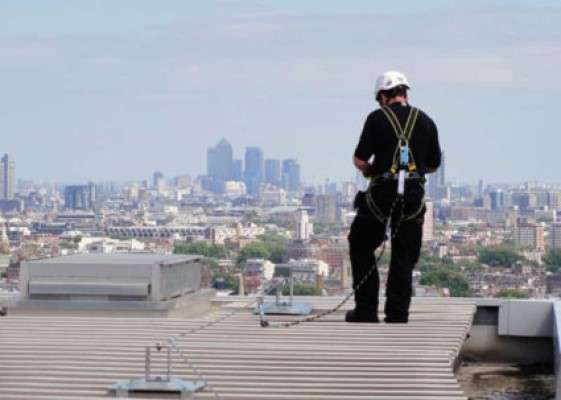
Horizontal Lifeline System

A horizontal lifeline system is a safety system that is designed to protect workers who are working at heights or in dangerous areas, such as on roofs, towers, or other high structures. It consists of a horizontal line, typically made of steel or other high-strength materials, that is secured to anchor points at either end. Workers attach themselves to the line using a safety harness and lanyard, allowing them to move freely along the line while remaining connected to the system at all times.
Die horizontal lifeline system is designed to prevent falls and minimize the impact of any falls that do occur. It is an important safety measure for workers who are at risk of falling from heights, and it is used in a variety of industries, including construction, telecommunications, and maintenance.
When using a horizontal lifeline system, it is important to follow all safety procedures and guidelines, including proper installation and maintenance of the system, proper use of personal protective equipment, and regular inspections and testing of the system. Only trained and authorized personnel should use the system, and they should be fully aware of the potential hazards and risks associated with working at heights.
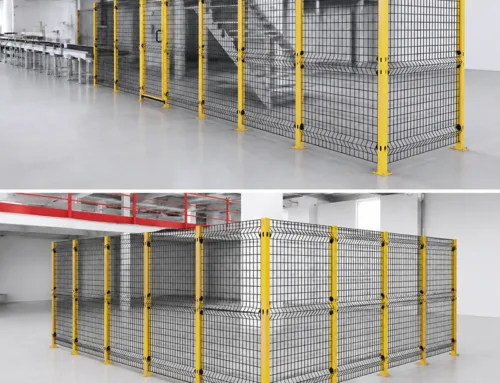
Industrial Safety Fencing for Global Packaging Integration | Mefence
Industrial Safety Fencing for global packaging integration: one standard, every site. Mefence helps merged multi-site packaging groups copy the same fence spec, install it fast without welding, and reuse it after site consolidation.
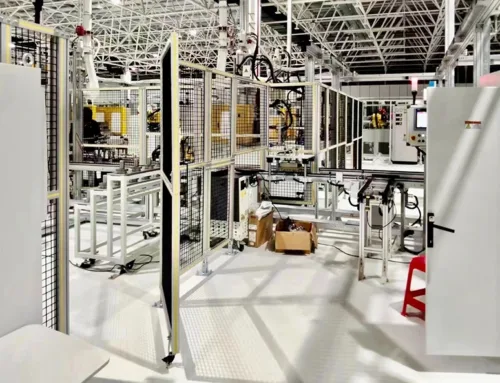
Ausrüstungs-Isolationszaun für Roboter-Ladezellen: Alfence stoppt lästige Stillstände
Für Roboter-Ladezellen hält der Alfence-Geräteschutzzaun Sensoren, Verriegelungen und Kabelwege von lackierten Stahlpfosten fern, sodass die SPS nicht durch falsche Türsignale auslöst.
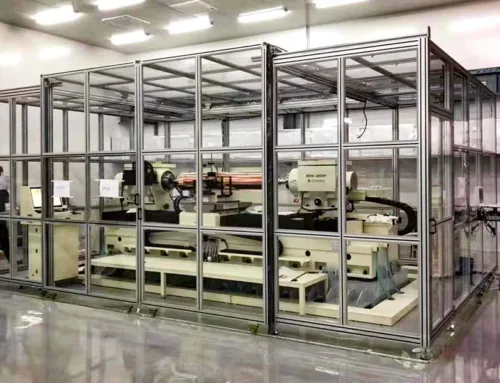
Maschinenschutzzaun für hygienische Lebensmittel- und Pharma-Linien | Alfence
Der Alfence-Maschinenschutzzaun verwendet eine Aluminiumprofil-Sicherheitszaunkonstruktion und pulverbeschichteten Korrosionsschutz, um hygienische Layouts für Lebensmittel, Getränke, Pharma und Reinräume zu unterstützen.