DE
DE  EN
EN  RU
RU  PT
PT  JA
JA  ES
ES  IT
IT Maschinenzäune
Robot Safety Fencing helps export-oriented automation lines meet ISO 14120 physical guarding and ISO 13857 safety-distance expectations without turning EHS audits into a shipment blocker.

For manufacturers shipping equipment into Europe and North America, the guarding layer is not a cosmetic add-on. It is a compliance interface between the machine, the auditor, and the plant’s legal exposure.
Why export projects fail before commissioning
The common failure pattern is familiar: the machine itself is ready, but the surrounding fence does not satisfy physical protection expectations. Once the guarding fails an EHS review, the whole line can be rejected, delayed, or forced into costly rework.
| Compliance target | ISO 14120 for physical guarding and ISO 13857 for safety distance logic |
|---|---|
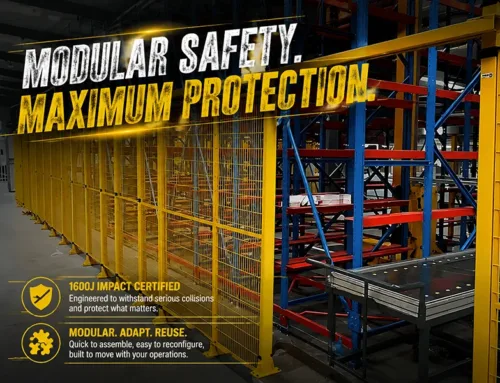
| Auswirkungsbewertung | 1600 J impact resistance, equal to stopping a 100 kg object moving at 20 km/h |
| Risk it addresses | Audit refusal, export delay, unplanned shutdown, and legal exposure from non-compliant machine protection |
| Project fit | Machine cells, perimeter guarding, and retrofit export lines that need a hard compliance layer |
What makes Mdfence the right fit

01. Built for the audit, not just the floor plan
The first question from an overseas EHS reviewer is simple: does the fence create real physical protection? Mdfence is engineered as a risk-control system, so the barrier is designed around compliance pressure, not only around layout convenience.

02. Structural logic that supports dangerous-zone separation
ISO 13857 is about keeping people out of harm’s reach. That means the fence geometry, opening behavior, and installation logic must work together. This is where a properly engineered machine fence avoids the common mistake of using a generic barrier that looks strong but cannot defend the safety-distance argument.

03. Heavy-duty impact resistance for real industrial abuse
Export projects do not live in clean demo conditions. Forklift contact, handling damage, and accidental knocks happen. A 1600 J-rated guarding system gives buyers a much stronger basis for protecting both the machine and the compliance record when the plant goes live.
Where Robot Safety Fencing is typically specified
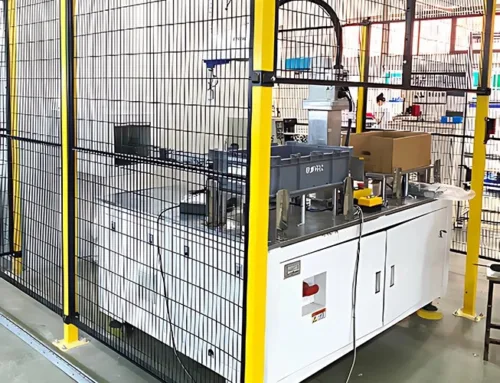
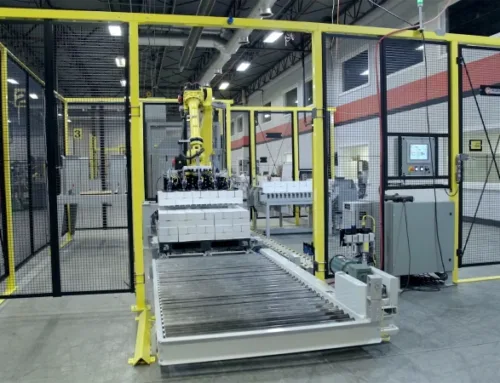
This solution fits exporters who need a defensible guarding package for automated cells, integrated production lines, and perimeter protection around equipment destined for Europe or North America.
- Equipment manufacturers exporting complete lines into ISO-regulated markets.
- Factories facing EHS audits that can delay handover if guarding is not proven.
- Integrators replacing weak, site-built barriers with a documented machine protection system.
Spec package on request
Ask for the compliance-ready specification set when your project needs a clear answer on impact resistance, safety-distance coordination, and export-facing guarding scope.
Stop the fence from becoming the export bottleneck
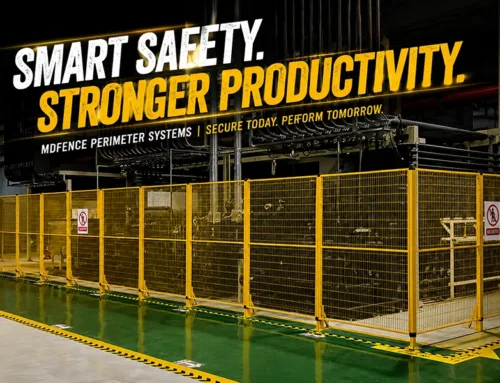
When the guarding layer is engineered correctly, the machine can move from factory acceptance to overseas installation without turning compliance into a late-stage surprise. That is the real value of Robot Safety Fencing: it reduces audit risk before it becomes a shipment risk.