DE
DE  EN
EN  RU
RU  PT
PT  JA
JA  ES
ES  IT
IT 
When selecting the perfect safety fence for your pool area, the choice of material is one of the most critical decisions you’ll make. For years, steel was a common option, but modern safety standards and a focus on long-term value have brought modular aluminum to the forefront. As experienced professionals in the field, we understand that the ideal fence requires more than just strength; it demands durability, low maintenance, and a design that complements your property. This guide offers a direct comparison between aluminum and steel to help you determine the best fit for ensuring your pool is both safe and stylish.
Head-to-Head Comparison Matrix
| Merkmal / Kriterium | Traditionell geschweißter Stahl | Modularer T-Nut-Aluminium | The Advantage for Pools |
|---|---|---|---|
| Gewicht und Installationsgeschwindigkeit | Sehr schwer (~3x dichter) | Leichtgewicht | Aluminium |
| Kosten des Ersterwerbs | Unter | Höher | Stahl |
| Gesamtbetriebskosten | Hoch und unvorhersehbar | Niedriger und vorhersehbar | Aluminium |
| Modifizierung und Wiederverwendbarkeit | Praktisch keine (Schrott) | 100% Wiederverwendbar | Aluminium |
| Korrosionsbeständigkeit | Requires Coating (Paint/Galv.) | Natürlich widerstandsfähig | Aluminium |
| Stärke und Steifigkeit | Höhere Zugfestigkeit | Hohe Festigkeit-zu-Gewicht | It’s Complicated |
| Sicherheit (Aufpralldynamik) | Rigid, Transfers Force | Ductile, Absorbs Energy | Aluminium |
| Präzision und Ausführung | “Industrial,” Varies | “High-Tech,” Consistent | Aluminium |
Detailed Breakdown of Key Criteria
1. Corrosion Resistance: The Ultimate Test for Pool Fences
Steel rusts, period. Near a pool, the constant exposure to moisture and chemicals means a painted or galvanized steel fence requires continuous maintenance to prevent rust. Any scratch becomes a vulnerability. Aluminum, however, naturally forms a protective oxide layer that prevents corrosion. It maintains its structural integrity and aesthetic appeal for decades with virtually no maintenance, making it the ideal choice for any poolside environment.
2. Weight & Installation Speed
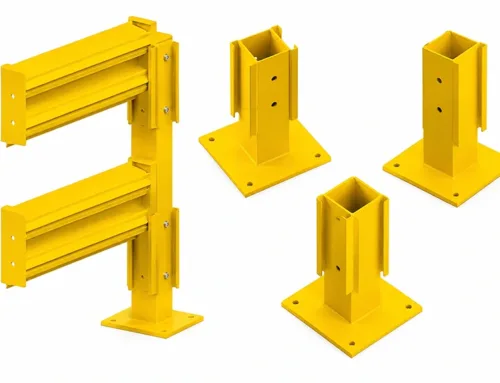
Steel is approximately three times denser than aluminum, making installation a heavy-duty, labor-intensive job that often requires a larger crew. Lightweight aluminum panels can be handled and assembled with ease, significantly reducing installation time and labor costs, whether you’re hiring a professional or tackling the project yourself.
3. Total Cost of Ownership (TCO)
While steel may have a lower initial purchase price, the financial picture changes quickly. The long-term costs of a steel fence—including higher installation fees, ongoing maintenance, and eventual replacement due to rust—add up. Aluminum’s slightly higher upfront cost is an investment in longevity and peace of mind, resulting in a significantly lower TCO over the life of your pool.
4. Strength, Safety, and Finish
Is steel stronger? In terms of raw rigidity, yes. But for a pool fence, the question is whether you need that level of industrial strength. Engineered aluminum profiles provide more than sufficient strength to meet and exceed safety codes for pool barriers. Furthermore, aluminum is ductile, meaning it can absorb impacts (like a stray pool toy or accidental bump) without catastrophic failure. It also offers a clean, precise, and high-end finish that won’t chip, flake, or show weld marks like its steel counterpart.
Conclusion: The Clear Choice for Modern Pool Safety
While steel has its applications, the evidence is overwhelming for pool environments. For homeowners and project managers who value long-term performance, minimal maintenance, and superior safety, a modular aluminum system is the superior strategic investment. It offers a lower total cost of ownership and a more elegant aesthetic. To ensure you get the best quality and expert advice, it is always recommended to consult with professional aluminum pool fence manufacturers who can guide you to the perfect solution for your property.