ES
ES  EN
EN  DE
DE  RU
RU  PT
PT  JA
JA  IT
IT 

|
Your PLC logic is flawless, and the robot teach points are precise. But if your physical perimeter fails the ISO 14120 impact test during the final site acceptance test (SAT), the entire automation cell remains locked out. We bridge the gap between mechanical guarding and electronic safety integration. |
The Shift from “Steel Barriers” to “Integrated Safety Ecosystems”
In the automotive automation sector, the days of simply welding some angle iron around a KUKA or FANUC robot are over. Modern factory audits, especially for Tier 1 suppliers and OEMs, are scrutinizing **Valla de Seguridad para Robots** with the same rigor applied to the safety PLC code.
The latest standards focus on three critical pillars: Structural Integrity (impact resistance), Integration Readiness (interlock compatibility), and Modular Compliance (ISO 14120). As a system integrator, your choice of perimeter guarding directly impacts your project’s lead time and the final safety audit sign-off.
1. Structural Integrity: Beyond Visual Deterrence
An auditor’s primary concern is containment. If a robotic arm loses its zero-position calibration or a workpiece is ejected at high velocity, the fence must contain the energy.

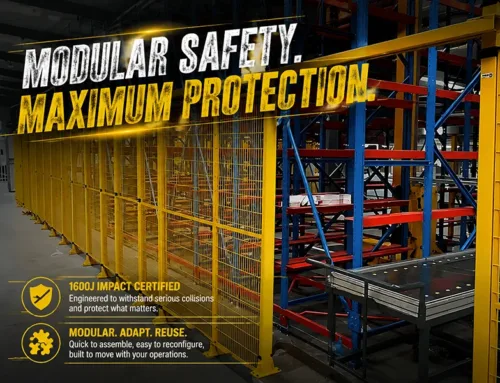
Figure 1: High-rigidity framed panels capable of withstanding high-joule impacts in robotic cells.
Our Mdfence system utilizes **Valla de Seguridad Industrial** panels constructed from framed Q235 Carbon Steel. Unlike frameless mesh that can deform or detach under stress, our 20x30mm tubular frames with flat-welded mesh provide the rigidity required to pass TUV impact tests. This ensures that the calculated “Safety Distance” (per ISO 13857) remains valid even if a worker leans heavily on the mesh or if a minor collision occurs.
2. The “Integration-Ready” Standard: Solving the Interlock Headache
The biggest friction point during installation is often the marriage between the steel fence and the electrical safety components. Drilling holes on-site to mount an Omron D4NL or Pizzato switch is time-consuming and risks damaging the powder coating, leading to future corrosion.
We treat the fencing system as a carrier for your safety logic. Our system includes engineered mounting options for major interlock brands.

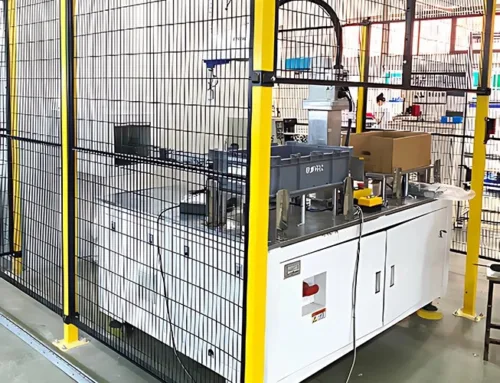
Figure 2: Specialized mounting brackets allow for seamless integration of safety switches without field fabrication.
By using pre-designed “Lock Carriers,” you ensure that the actuator alignment is perfect—preventing nuisance tripping that plagues production uptime. This turns a passive barrier into an active part of the machine’s safety circuit.
3. Access Management in High-Density Layouts
In automotive assembly lines, floor space is premium real estate. Standard swing doors are often impossible to use near conveyor belts or AGV paths. The latest audit standards require that access points do not impede safe egress or create trap zones.

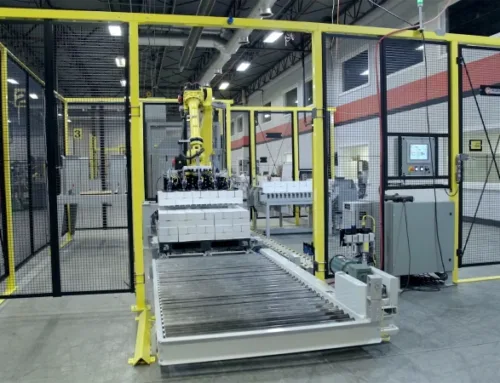
Figure 3: Double sliding door systems maximize opening width for forklift access without swinging into traffic aisles.
For robot cells requiring forklift access for die changes or material loading, our **Paneles de valla de protección para maquinaria** can be configured with suspended rail sliding doors (up to 4300mm opening). This eliminates ground tracks that trip operators or jar AGV wheels, satisfying both safety and logistics requirements.
4. The “Trip Hazard” and Hygiene Audit
A frequently overlooked item in safety audits is the base of the fence. Exposed anchor bolts are not only a trip hazard but also collect metal shavings and oil, making 5S compliance difficult.

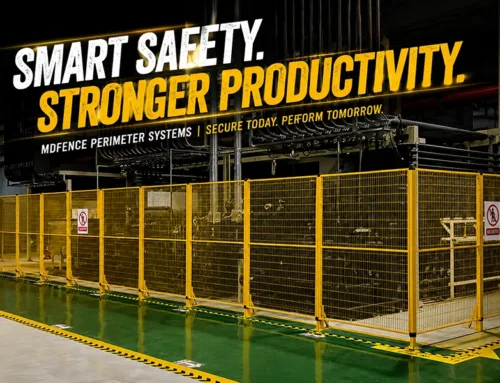
Figure 4: Protective base covers conceal anchors, preventing trip hazards and simplifying floor cleaning.
Our system includes a two-piece plastic protective cover for the 60x60mm post bases. This covers the M10 expansion bolts completely, ensuring a flush, snag-free surface that passes the strictest housekeeping audits in clean manufacturing environments.
Frequently Asked Questions (FAQ)
1. How does your fencing system handle “Safety Distance” calculations for robotic cells?
Our panels use standard mesh openings (e.g., 20x100mm) that comply with ISO 13857 reach-through distances. This allows you to mount the fence closer to the hazard zone compared to larger mesh sizes, saving valuable floor space in tight layouts.
2. Can we mount safety light curtains directly to the fence posts?
Yes. Our 60x60mm Q235 steel posts (2.0mm wall thickness) are rigid enough to support light curtain brackets without vibration, ensuring optical alignment is maintained even during nearby heavy machinery operation.
3. Do you offer solid panels for welding robot cells?
Absolutely. For welding arcs, we replace the wire mesh with solid steel sheet or UV-filtering polycarbonate panels to prevent arc flash exposure to personnel walking past the cell, complying with welding safety standards.
4. How fast can a damaged panel be replaced?
Downtime is critical. Our modular design uses a “fixed ring” connection system. A maintenance tech can unbolt and replace a single damaged panel in under 10 minutes without disassembling the adjacent posts or doors.
5. Is the system compatible with “Trapped Key” interlock systems?
Yes. We have specific mounting configurations for heavy-duty trapped key systems (like Fortress or Castell), which are common in high-inertia automotive stamping and body-in-white applications.