ES
ES  EN
EN  DE
DE  RU
RU  PT
PT  JA
JA  IT
IT 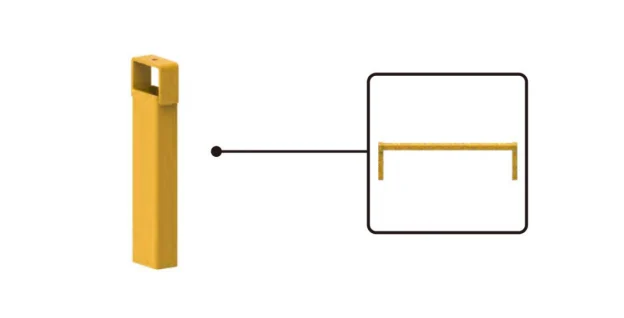

|
Your multi-station assembly line project is on a tight deadline. The last thing you need is a guarding system that requires on-site welding, fails the end-client’s EHS audit, or can’t integrate with the specified safety interlocks. Don’t let generic fencing jeopardize your project’s timeline and profitability. |
Safety Guarding Systems for Multi-Station Assembly Lines.
As a system integrator, you orchestrate complexity. PLCs, robots, conveyors, and EOAT all must synchronize perfectly. Yet, too often, the Protección de Máquinas is treated as an afterthought—a low-bid commodity that creates unforeseen problems during commissioning. For multi-station assembly lines, this approach is a direct threat to your project’s success, leading to costly delays, on-site rework, and failed safety audits.
A truly effective safety system shouldn’t be a barrier to your integration work; it should be an integral, predictable part of it. It must be designed not just to stop a person, but to seamlessly connect with the line’s control logic and adapt to its physical constraints.
The Integrator’s Nightmare: When “Cost-Effective” Fencing Derails Your Project
Consider the typical scenario. You’ve sourced a generic wire mesh fence to enclose a new robotic welding cell. The problems begin almost immediately.
- The Hot Work Permit Delay: The “simple” welded posts require a hot work permit. This means shutting down adjacent production areas, bringing in a fire watch, and dealing with smoke and fumes—all un-budgeted time and overhead.
- The Interlock Integration Failure: The end-client specified an Omron D4NL safety interlock. The generic fence has no compatible mounting bracket. Your technicians are forced to drill into the freshly powder-coated post on-site, compromising the anti-corrosion layer and creating a crude, unprofessional-looking fix that will likely rust.
- The Failed EHS Audit: The 50x50mm mesh, which seemed adequate, fails the audit. The safety engineer demonstrates that an operator can reach through the opening and touch a moving part, violating ISO 13857. The only solution is to move the entire fence line back, shrinking a critical forklift aisle and forcing a costly layout change.
This is the hidden tax of improper Valla de Seguridad Industrial. It transforms a line-item purchase into a major project bottleneck.
Engineered for Integration: A Modular System Built for Automation Professionals
A modern Valla de Seguridad para Robots system is engineered from the ground up to prevent these issues. It’s not just a barrier; it’s a pre-engineered chassis for your entire safety infrastructure.
The Logic: From Q235 Steel to Predictable Assembly
The foundation is structural integrity and precision. Our system is built with high-tensile Q235 carbon steel components—like robust 60x60mm posts and fully-welded 20x30mm framed panels. This isn’t just about strength; it’s about providing a rigid, dimensionally accurate framework that won’t warp or sag, ensuring doors and safety switches align perfectly, every time.

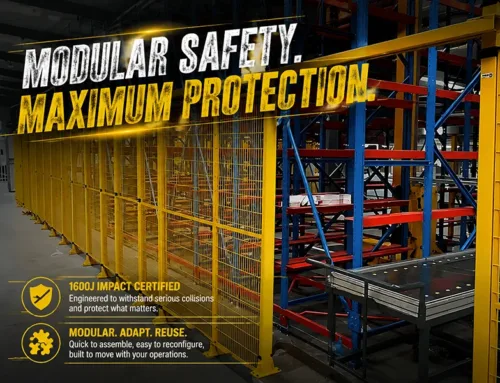
The entire system assembles with high-strength steel clamps and M8 bolts. This “cold assembly” approach eliminates all on-site welding, grinding, and painting. Your team can install the entire perimeter of a complex multi-station line with basic hand tools, often in a single shift, without disrupting adjacent operations.

The Result: Seamless Integration and First-Pass Acceptance
This engineered approach directly translates into a smoother, faster, and more profitable project for you:
- Plug-and-Play Safety Devices: We provide pre-engineered mounting plates and lock carriers specifically for the industry’s most common safety interlocks, including Omron, Pizzato, and Schmersal. Your specified switch bolts on cleanly, ensuring perfect alignment and reliable operation from day one.
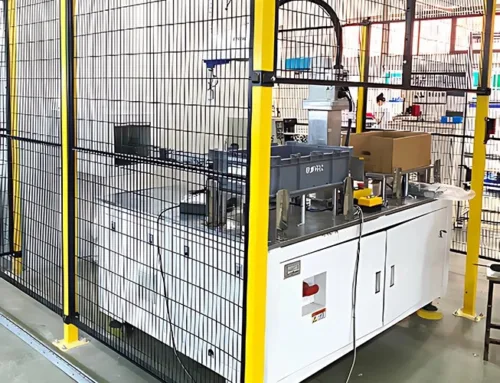
- Space-Saving Compliance: Our standard 20x100mm mesh design is “finger-safe” and compliant with ISO 13857, allowing the guarding to be placed as close as 120mm from the hazard. For the end-client, this means reclaiming valuable floor space. For you, it means your initial CAD layout works without modification.
- Future-Proof Modularity: When the assembly line is retooled in two years, this guarding system isn’t scrap metal. It can be unbolted, reconfigured, and redeployed. This 95% asset reusability is a powerful value proposition for your client’s long-term investment.

Stop letting generic fencing be a source of risk in your projects. Choose a safety guarding system designed with the needs of the system integrator in mind. Deliver your next multi-station assembly line on time, on budget, and with a safety system that enhances your reputation for quality and precision.
Frequently Asked Questions for System Integrators
1. How does your system handle integration with specific safety interlocks like Schmersal or Pizzato?
We offer a range of pre-engineered mounting plates and “lock carriers” designed to match the exact hole patterns of major safety switch brands, including Pizzato, Omron, Schmersal, and others. This eliminates the need for any on-site drilling or custom fabrication, ensuring a clean, robust, and reliable installation that integrates directly with your PLC’s safety circuit.
2. Can your system accommodate conveyor belt pass-throughs while maintaining safety compliance?
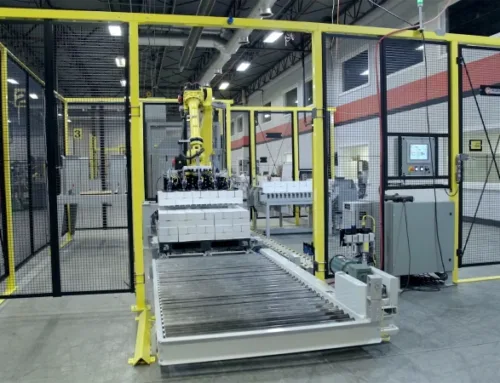
Absolutely. We provide custom-sized “tunnel guards” or cutouts within our framed panels. These openings are designed to precisely match the profile of your conveyor system, adhering strictly to the safety distance requirements of ISO 13857. This allows materials to pass through freely while preventing any part of a human body from reaching the hazard zone.
3. We have a complex floor layout. Can you provide CAD/STP files for our design phase?
Yes. We provide a complete library of 3D STP files for all our standard components. This allows your design engineers to import our guarding system directly into your master layout (in SolidWorks, AutoCAD, etc.) to verify clearances, plan access points, and generate an accurate bill of materials (BOM) before any hardware is ordered.
4. What is the typical lead time for a standard assembly line project?
Because our system is fully modular and we maintain a deep inventory of standard components (posts, panels, and door kits), we can often ship standard configurations within a very short timeframe to meet urgent project deadlines. For highly customized solutions, lead times are quoted on a project basis but are significantly faster than custom welded solutions.
5. Our end-client has strict visual standards for their plant. What are the finish and color options?
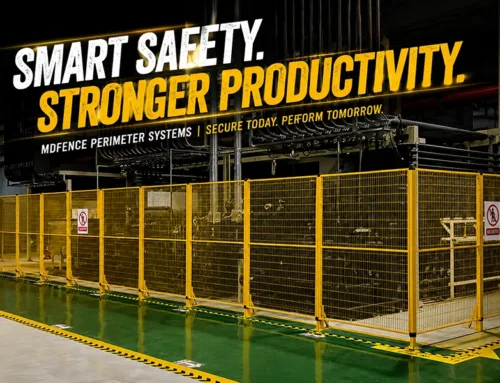
Our standard, high-visibility color scheme is RAL 1023 (Safety Yellow) for posts and RAL 9005 (Jet Black) for mesh panels. The black mesh offers the best visibility into the work cell by reducing glare. However, the electrostatic powder coating process allows us to provide custom RAL colors to match your client’s specific corporate branding or facility standards.