ES
ES  EN
EN  DE
DE  RU
RU  PT
PT  JA
JA  IT
IT 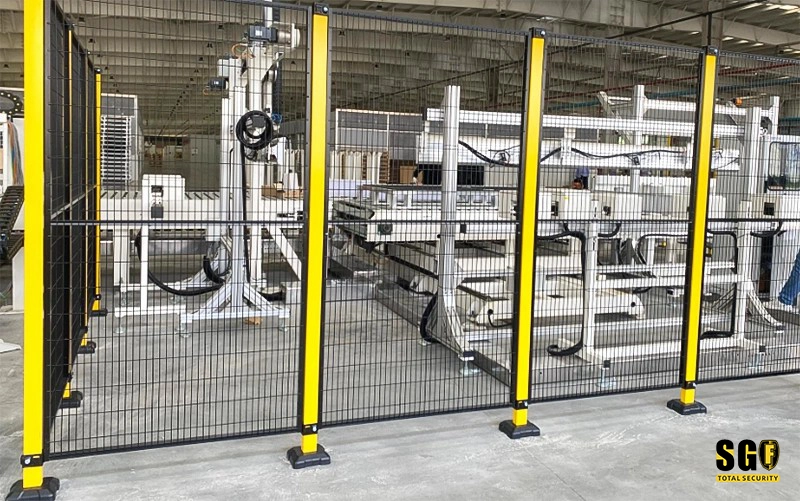
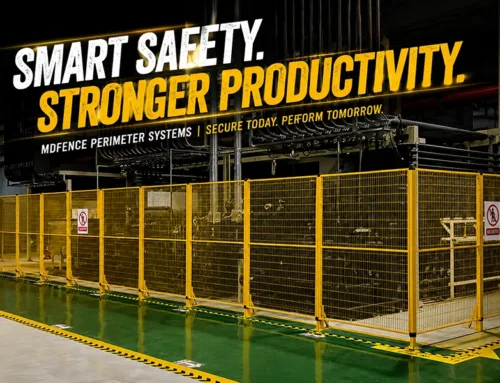
Mdfence machine safety barrier projects inside medical cleanrooms and high-end manufacturing lines cannot tolerate welding dust, hot-work permits, odor, or schedule drift. When a guarding package is still built around field welding, integrators inherit contamination risk, slow installation, and poor reusability. Mdfence solves that problem with a bolt-only cold installation method, high-strength clamp connections, and reusable modules that help manufacturers deploy guarding faster, keep the production environment clean, and preserve asset value for future line changes.
Why hot-work guarding becomes a project risk in clean factories
In medical production under ISO 13485 expectations, as well as in optical, electronics, and other precision manufacturing environments, the guarding system is not just a safety perimeter. It is part of the installation discipline of the line itself. A welded barrier can force the contractor to request hot-work approval, isolate the area, add fire-watch controls, and manage sparks, smoke, odor, and debris around equipment that may already be commissioned.
That is where many projects lose time. The machine may be ready, utilities may be in place, but the fence package becomes the bottleneck because the installation method is incompatible with the operating environment. In existing plants, that often means night work, shutdown windows, cleaning validation, or additional EHS sign-off before the line can return to production.
Common site problems with welded barriers
- Dust and metal debris near validated or finished-process areas
- Fire permits and restricted work windows that extend commissioning
- Heat and odor concerns inside already operating workshops
- Slow rework when the line layout shifts during final integration
- Low residual value because welded sections are difficult to relocate intact
What buyers actually need
- A clean installation method with no on-site welding
- Fast mechanical assembly by standard maintenance personnel
- Stable panel geometry and door alignment after repeated use
- Modular components that can move with the equipment
- A safety investment that remains a reusable asset instead of scrap
How Mdfence uses cold installation to protect cleanliness and schedule
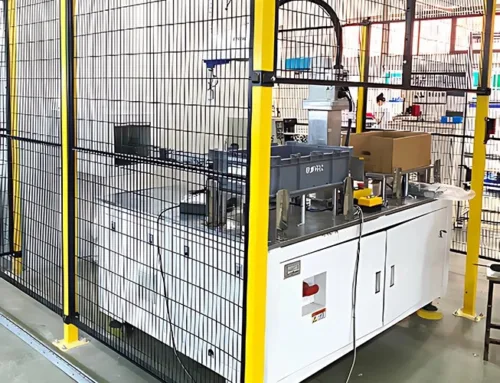
Mdfence is designed around a pure cold-work logic. The system uses bolt connections and high-strength clamp rings rather than site welding, so installers can assemble the perimeter with standard hand tools. For medical cleanrooms and high-end manufacturing spaces, this matters because the guarding process no longer introduces sparks, burnt coating smell, or metallic dust into the project area.
Instead of fabricating the fence shape on site, the project team receives pre-engineered modules that are positioned, clamped, aligned, and secured in a predictable sequence. Two workers with wrenches can complete assembly efficiently, which reduces disruption to adjacent operations and shortens the time between mechanical installation and line validation.
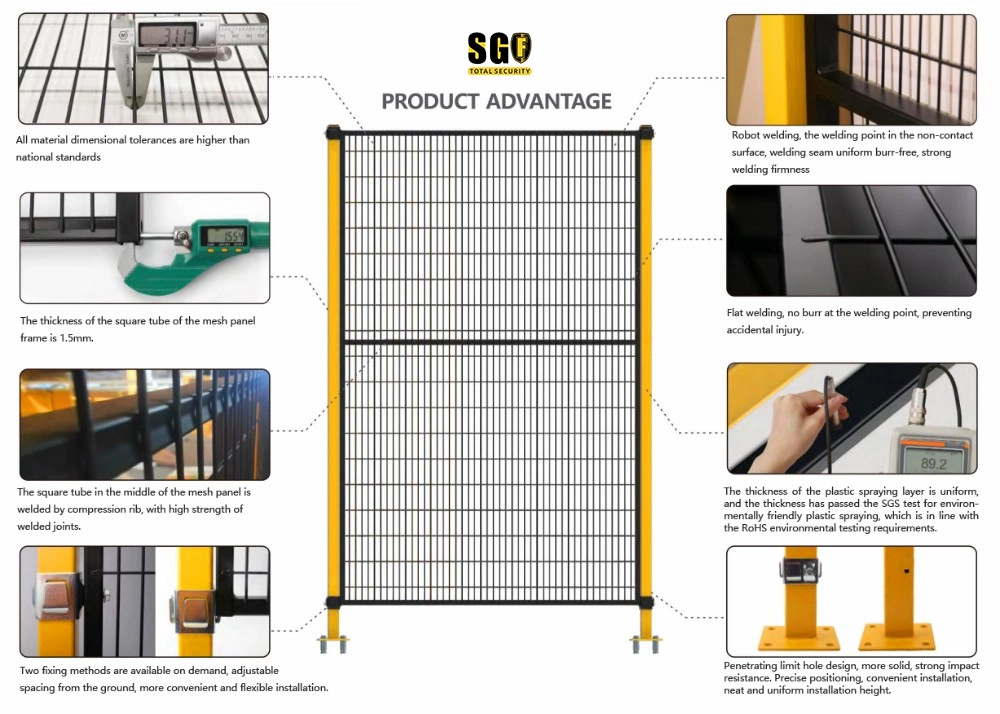
The commercial impact is equally important. When installation is reported to be about 40% faster than traditional welded guarding, the gain is not just labor savings. It reduces line-access conflicts, compresses commissioning overlap, and helps integrators hand over the cell sooner. In projects where the factory is already producing, that shorter intervention window can be more valuable than the fence cost itself.
Modular machine guarding is easier to relocate without destroying value
High-end manufacturing lines rarely stay fixed forever. A conveyor may move, a robot may be added, an inspection station may be repositioned, or the customer may repurpose the room for a different product family. That is where welded guarding becomes a sunk cost. Once cut apart, much of it turns into scrap metal and repainting work.
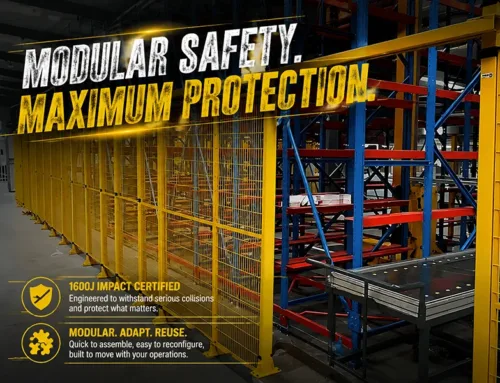
Mdfence changes that equation by making the barrier a modular asset. Panels, posts, and connection hardware can be disassembled and reconfigured with minimal damage, which supports a reuse rate above 95% when equipment is moved or the safety boundary is redesigned. For manufacturers managing multiple expansion phases, that residual value is a major lifecycle advantage.
The result is a guarding strategy that aligns with lean capital planning. Instead of treating the fence as a one-time installation expense, the buyer keeps a reusable safety inventory that can follow the production line through relocation, debottlenecking, and capacity upgrades.
Why structural consistency still matters when the site work gets simpler
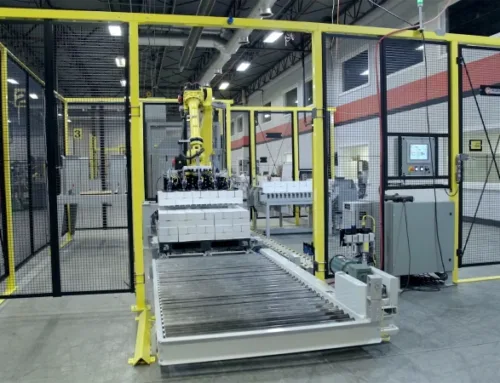
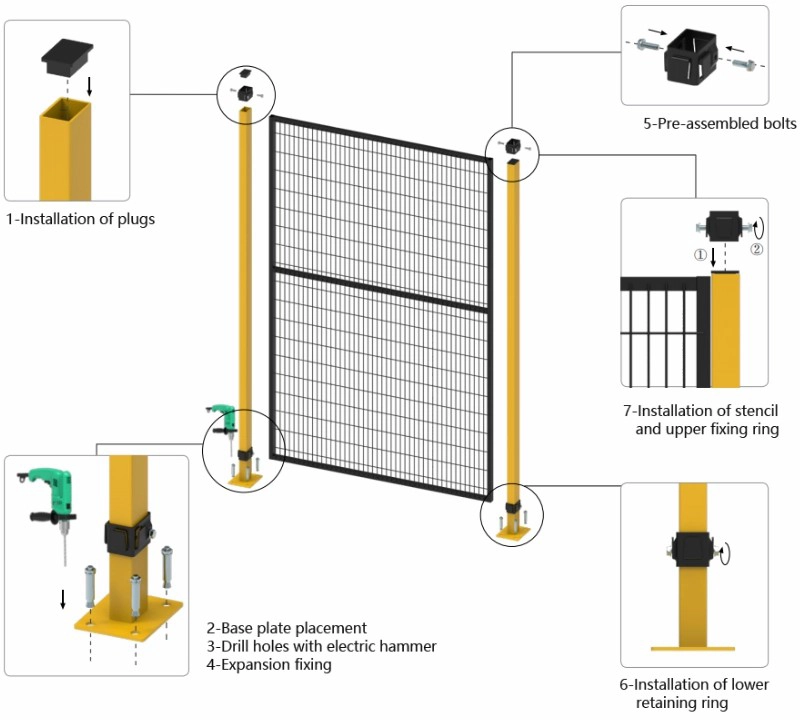
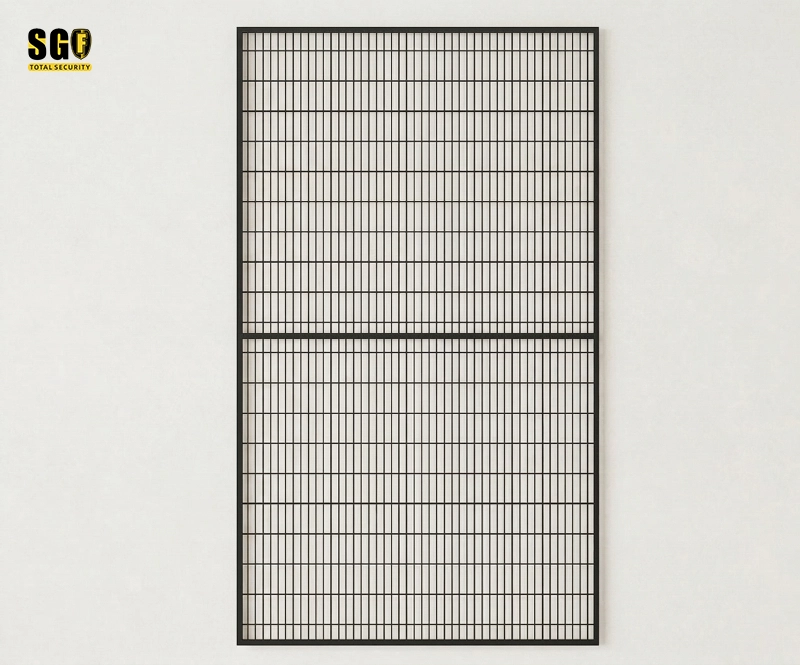
Faster installation only works if the guarding remains mechanically stable after hand assembly. Mdfence addresses that with framed mesh construction built around a 20 x 30 x 1.5 mm steel tube structure, combined with rigid panel geometry and industrial connection hardware. This helps the installed barrier maintain alignment, resist distortion, and remain dependable after repeated access cycles.
That structural consistency is especially valuable near automated equipment where fence movement, door sag, or progressive loosening would eventually create maintenance calls. In clean production settings, the ideal guarding system is not only easy to install; it also avoids becoming a frequent adjustment task after startup.
Practical takeaway: In controlled environments, the best guarding package is the one that lowers installation risk without creating long-term alignment or durability problems. Cold-work assembly must still be backed by rigid panel engineering, reliable coatings, and repeatable hardware interfaces.
What this means for medical and precision manufacturing buyers
For EHS managers, Mdfence reduces hot-work exposure and removes a common source of permit friction. For project engineers, it simplifies field coordination and shortens installation windows. For plant managers, it protects operating areas from unnecessary contamination events. And for procurement teams, it converts guarding from a disposable line item into a reusable asset with measurable residual value.
That combination is why modular guarding is increasingly preferred in regulated and cleanliness-sensitive industries. The fence is no longer judged only by height, mesh size, or color. It is evaluated by how well it fits the production environment, how quickly it can be deployed, and how little disruption it causes to the factory around it.
When the project brief calls for clean deployment, minimal interruption, and future flexibility, Mdfence gives integrators a more disciplined way to build machine perimeters without the hidden penalties of on-site welding.
Need a machine safety barrier for a clean factory or retrofit line?
If your project must avoid welding dust, fire permits, and one-time guarding waste, Mdfence can support a modular layout built for cold installation and high asset reuse.