
 ES
ES  EN
EN  DE
DE  RU
RU  PT
PT  JA
JA  IT
IT 
Best way to run cables through machine guarding?
Your robot cell is a masterpiece of engineering, but the safety guarding looks like an afterthought. Cables are zip-tied everywhere, your team had to drill into the brand-new powder coat to mount a single interlock, and now you're worried about the EHS audit. There has to be a better way.
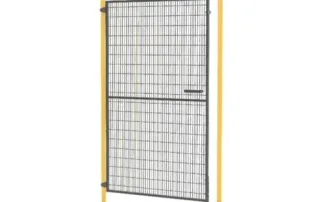
Impact resistant industrial safety fencing for forklifts?
A forklift glancing blow shouldn't cost you an entire shift's production. Traditional barriers fail catastrophically, turning a minor incident into a major downtime event. Your facility's OEE and safety record demand a more resilient, engineered solution designed to withstand the realities of a busy factory floor, not just pass a
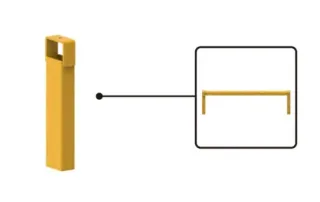
How to integrate safety locks with modular fencing?
Your robot cell is designed, the PLC is programmed, but the safety interlock doesn't fit the fence door you bought. Now your team is on-site with a hand drill, ruining the powder coat, voiding the warranty, and hoping the switch aligns. This isn't just an inconvenience; it's a project delay
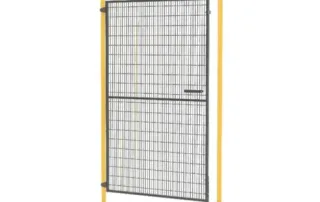
Safety fencing solutions for 90-degree corners?
Designing a robot cell layout? Corners are more than just a 90-degree turn. They're a common failure point for safety compliance, a source of installation delays, and a waste of valuable floor space. A clumsy corner solution can compromise your entire industrial perimeter guarding strategy. Talk With An Expert When
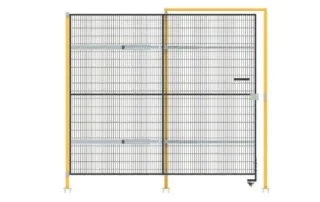
Can industrial safety fencing be reused in new layouts?
Your client just changed the robot cell layout. The conveyor I/O point has moved by three feet. Is the guarding you already specified now a pile of expensive scrap metal? For automation integrators, this isn't a hypothetical. It's a costly reality that kills project margins and timelines. The choice
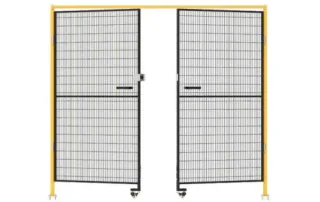
Industrial safety fencing for high-speed robot arms?
Your new high-speed robot arm doesn't care about the flimsy chain-link fence you put around it. When an end-of-arm tool fails or a workpiece is ejected at 500 inches per second, you don't have a barrier—you have shrapnel. It's time to move beyond simple demarcation and engineer a solution that
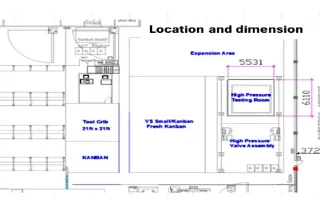
Choosing the right mesh size for machine guarding?
Is your robot cell's footprint being dictated by outdated guarding standards? Every square foot of wasted space around your automation is a direct hit to your project's ROI and your client's Overall Equipment Effectiveness (OEE). The wrong mesh size isn't just a compliance issue; it's a costly engineering compromise. Talk
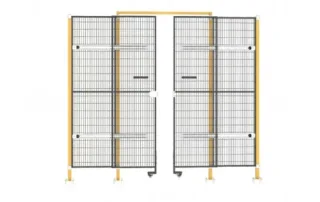
Machine guarding with quick access for maintenance?
Your production line is down. The maintenance team is ready, but your welded machine guarding has turned a 30-minute fix into a 4-hour shutdown involving angle grinders and hot work permits. There is a better way to ensure safety without sacrificing uptime. Talk With An Expert The High Cost of
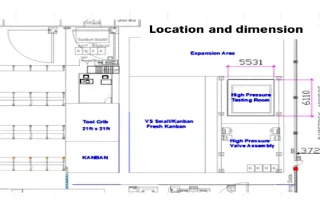
How to secure robot safety fencing to the floor?
Your new robot cell is ready, the floor is poured, and the go-live deadline is non-negotiable. The last thing you need is a fencing installation that requires hot work permits, fails the EHS audit, or becomes a wobbly maintenance headache causing nuisance trips. The question isn't just what bolt to
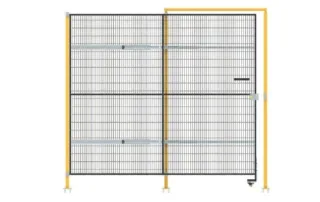
Standard height for industrial safety fencing?
Your robot cell passed the Factory Acceptance Test, but will it pass the end-client’s EHS audit? Specifying the wrong fence height can lead to costly on-site modifications, project delays, and a client who questions your expertise. Stop guessing and start engineering a compliant safety system from day one. Talk

