
 ES
ES  EN
EN  DE
DE  RU
RU  PT
PT  JA
JA  IT
IT 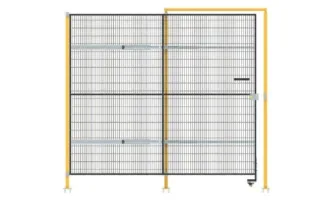
Industrial Perimeter Guarding for high-traffic AGV zones.
Your AGV fleet is growing, but so are the near-misses. Every time a pedestrian strays into an automated corridor or a forklift clips a conveyor, your uptime and safety record are at risk. Floor tape is a suggestion, not a solution. It's time for a physical barrier that's as intelligent
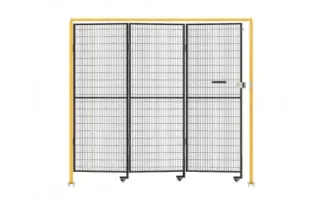
Standard mesh size for Machine safety fencing.
In automated automotive assembly and robotics integration, floor space is your most expensive asset. Specifying the wrong mesh size doesn't just violate ISO standards—it forces your safety perimeter outward, choking AGV pathways and wasting premium square footage. Discover how precision-engineered mesh dimensions instantly reclaim your layout footprint while ensuring zero-compromise
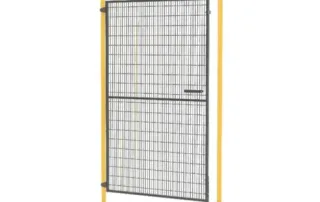
Machine Guarding Systems with interlock door mounting.
For robotics system integrators, nothing kills a turnkey project timeline faster than field-fitting safety interlocks. Drilling into flimsy fencing on-site creates metal shavings that threaten PLC cabinets, ruins factory powder coatings, and inevitably leads to sagging doors. This structural sagging misaligns the interlock key, triggering false Safe Torque Off (STO)
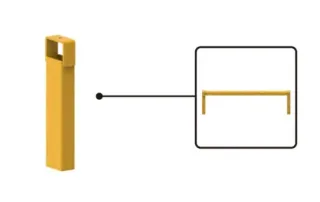
Installing Safety Fence Industrial on uneven concrete.
As a system integrator deploying robotics layouts in legacy automotive plants, you know the reality of the shop floor: it is never perfectly flat. Sloping drainage areas near CNC machining centers and spalled concrete from 10,000 lb forklift traffic turn basic perimeter guarding into an installation nightmare. When you force
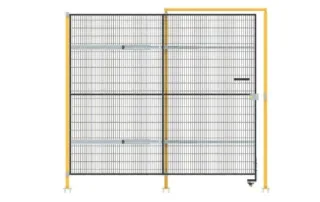
Industrial Safety Fencing distance from moving parts.
In high-speed automotive assembly and robotics integration, every square inch of your facility is premium real estate. Relying on generic wire mesh forces you to push your perimeter guards up to 33.5 inches (850mm) away from CNC spindles and 6-axis robotic arms just to pass safety audits. This miscalculation in
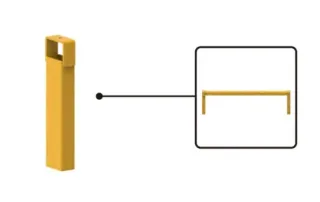
Replacing single machine guarding fence panels after impact.
In high-speed automotive assembly lines and robotic welding cells, forklift impacts and dropped payloads are inevitable. When a 220 lb engine block or a misguided AMR smashes into your perimeter guard, you can't afford a 4-hour shutdown waiting for hot work permits, grinders, and welders. You need a system that
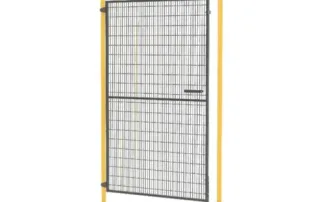
Moving robot fencing systems during plant layout changes.
In automotive manufacturing and turnkey robotics integration, production line layouts are never static. When a new vehicle model drops or a CNC machining center is upgraded, the robotic cells must adapt. The problem? Tearing down traditional welded perimeter guards means angle grinders, flying sparks, hot work permits, and shutting down
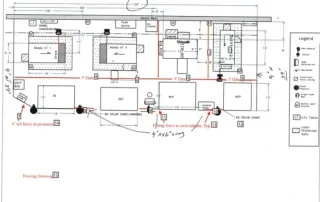
ISO 14120 height for Machine safety fence.
In automotive automation, guessing the correct ISO 14120 height for your robotic work cells isn't just a compliance issue—it's the difference between a successful line commissioning and a costly EHS shutdown. When a 6-axis robot drops a workpiece at high velocity, standard commercial fencing buckles. You need a system engineered
robot fencing systems for material handling.
In high-throughput material handling facilities, the clash between heavy forklift traffic, fast-moving AGVs, and robotic palletizing cells is a daily operational hazard. A flimsy wire mesh won't stop a 10,000 lb forklift, and complex welded barriers kill your layout flexibility when conveyor routes change. You need a physical perimeter that
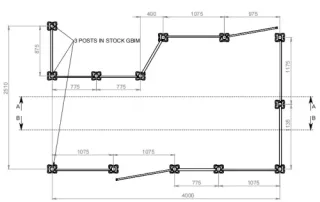
robot safety fence standards for factory audits.
Failing an EHS factory audit just weeks before a new automotive assembly line launch is a system integrator's worst nightmare. When your 6-axis robots and high-speed CNC machining centers are flagged for non-compliant safety distances or flimsy barrier rigidity, every hour of delay burns through your project's cash flow. You

