
 ES
ES  EN
EN  DE
DE  RU
RU  PT
PT  JA
JA  IT
IT 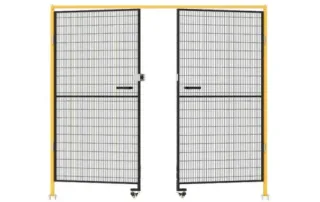
Top robot safety fencing systems for AGV zones.
In a bustling automotive AGV zone, a "standard" fence doesn't survive long. When a 2-ton AMR drifts off-path or a forklift clips a corner in the welding cell, flimsy perimeter guards crumple, causing sensor trips and expensive line stoppages. You need a Robot Safety Fencing system engineered to withstand the
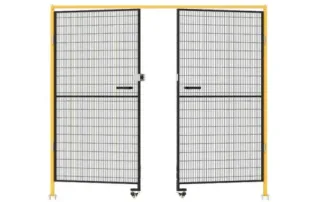
How to maintain a machine guarding safety fence?
In high-speed automotive assembly and robotic welding cells, a misaligned safety gate isn't just a nuisance—it's a production stopper. If your safety interlock fails to engage due to a sagging door or a loose post, your entire PLC safety circuit trips, halting the line. Maintain your perimeter guarding like you
Enhancing industrial automation safety in smart factories.
In the high-speed world of automotive assembly and robotic integration, a "cage" isn't just a barrier—it's part of the machine's control logic. If your safety fencing delays the commissioning phase because it can't integrate with third-party interlocks, or if a forklift nudge knocks a panel out of alignment causing sensor
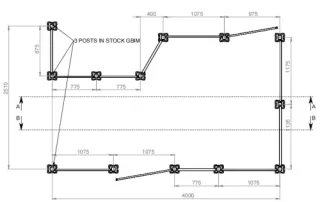
Compliance checklist for robot safety fence standards.
Your PLC logic is flawless, and the KUKA robots are calibrated. But if the physical perimeter guarding fails the final risk assessment (ISO 12100), that automated line isn't moving an inch. We bridge the gap between mechanical barriers and your safety control circuits, ensuring your integration project passes inspection on
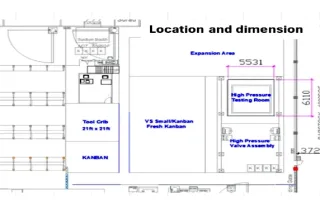
Machine Perimeter Guarding guide for robot integrators.
Stop treating perimeter guarding as an afterthought. For Robot Integrators, a "successful runoff" isn't just about cycle time—it's about safety buy-off. You shouldn't be wasting billable engineering hours fabricating custom brackets for safety switches on-site or dealing with wobbly fences that trigger optical sensors. We provide the modular, rigid backbone
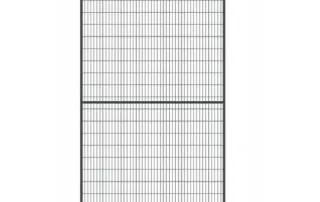
Flexible safety guarding systems for dynamic floor plans.
In the world of automated assembly and robotics integration, a static floor plan is a dead floor plan. When your cycle times change or a new vehicle model enters the line, you cannot afford to spend days cutting and re-welding perimeter guards. You need a safety infrastructure that adapts as
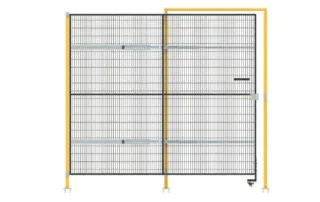
Maintenance-free Machine Guarding Systems for manufacturers.
In a high-speed automotive body shop or robotic welding cell, a safety perimeter isn't just a compliance checkbox—it's the only thing standing between a 6-axis robot moving at 2 meters per second and your maintenance crew. You don't have time to repaint rusted mesh or re-weld posts that buckled under
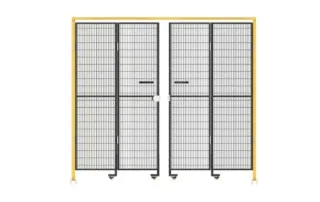
Impact resistance of Machine guard fencing in metal plants.
In a heavy metalworking environment, a safety guard isn't just a visual boundary—it's a kinetic shield. When a 5-axis CNC spindle crashes or a forklift clips a corner in a tight aisle, standard wire mesh fails. You need Industrial Safety Fencing engineered with Q235 carbon steel frames and TUV-certified impact
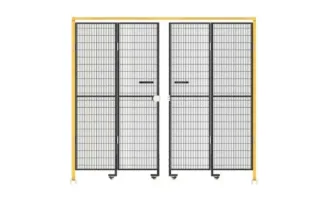
Optimizing warehouse layout with Machine safety fence.
Is your floor plan fighting against your production targets? Squeezing a new robotic welding cell into an existing layout or rerouting AGV paths shouldn't require a civil engineering degree. If you are struggling with rigid guarding that wastes valuable square footage or fails to integrate with your PLC safety logic,
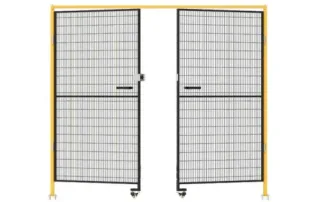
Durable Industrial Safety Fencing for heavy duty environments.
Stop Compromising Your Automation Cell Integrity. In high-speed automotive assembly and heavy robotics, a "flimsy" perimeter guard is a liability. You need a barrier that integrates seamlessly with your PLC safety circuits, withstands weld spatter, and holds its ground when a forklift clips a post. Secure your kinematic envelopes with

