ES
ES  EN
EN  DE
DE  RU
RU  PT
PT  JA
JA  IT
IT 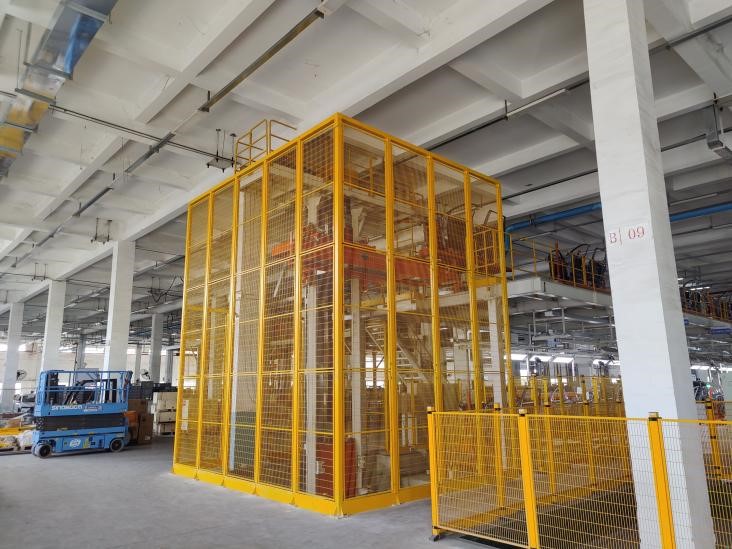
In any capital expenditure, from a new CNC machine to a software upgrade, the initial price tag often commands the most attention. The pressure to reduce upfront costs is immense, and it’s tempting to choose the vendor with the lowest quote. When it comes to an Valla de Seguridad Industrial, this can be a costly mistake.
The “cheaper” solution can quickly become the most expensive one over its lifecycle. The initial quote is merely the tip of the iceberg, while a sea of hidden costs—in downtime, labor, inflexibility, and liability—lies just below the surface.
A truly cost-effective solution is not the one with the lowest purchase price, but the one with the lowest Total Cost of Ownership (TCO) and the highest Return on Investment (ROI). This article provides a practical framework to look beyond the sticker price and calculate the true financial impact of your machine guarding decision.
Part 1: Deconstructing the Price Tag – The TCO Framework
Total Cost of Ownership reveals the full story. Before comparing quotes, break down the costs into these four critical categories.
1. Acquisition Cost
This is the straightforward price of the materials—the posts, panels, and doors. This is where most comparisons unfortunately begin and end. Let’s assume:
- System A (Low-Cost Welded): $15,000
- System B (Engineered Modular): $22,000
On paper, System A looks like the clear winner. Now, let’s calculate the rest of the bill.
2. Installation & Commissioning Costs (The First Hidden Cost)
This is where the financial picture begins to change dramatically.
- Labor: A custom-welded solution requires skilled, certified welders and often a “fire watch” assistant—at a premium labor rate (e.g., $75/hour). An engineered modular system can typically be installed by your in-house maintenance team with basic tools (e.g., $45/hour).
- System A (Welded): 2 welders × 40 hours × $75/hr = $6,000
- System B (Modular): 2 technicians × 24 hours (over a weekend) × $45/hr = $2,160
- Production Downtime: This is the single largest hidden cost. Custom welding is a slow, disruptive process that requires a full production shutdown. A modular system can often be installed during off-hours or a weekend.
- System A (Welded): 40 hours (one full work week) of downtime. If your line generates $4,000/hour in value, that’s a $160,000 opportunity cost.
- System B (Modular): 0 hours of production downtime (installed over a weekend). Cost = $0.
- Ancillary Costs: Custom welding requires hot work permits, specialized safety precautions (fire blankets, extinguishers), and significant cleanup. These add administrative and labor overhead.
3. Operational & Reconfiguration Costs (The Long-Term Bleed)
A factory floor is not static. Your needs will change.
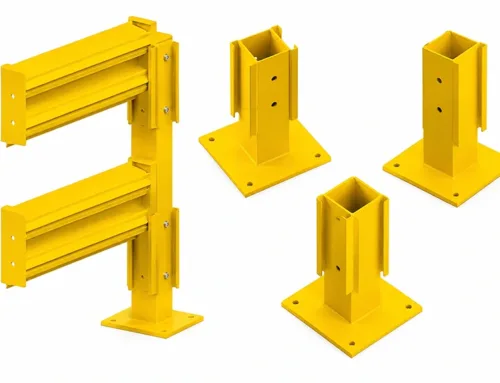
- Repairs: When a forklift inevitably damages a section of guarding, how quickly can you recover? With a welded system, you must cut out the damaged section and re-weld a new one, incurring more downtime and skilled labor costs. With a modular system, you simply unbolt the damaged component and bolt in a new one—a task that can take less than an hour.
- Reconfiguration: Imagine you need to re-tool the line in two years.
- System A (Welded): The entire structure is scrap metal. The initial $15,000 investment is a 100% loss. You have to start from scratch.
- System B (Modular): The system is a flexible asset. You can disassemble it and reuse 95% of the components in the new layout, saving nearly the entire initial material cost.
Part 2: Calculating the ROI – The Immense Value of Prevention
The “Return on Investment” for safety is measured by the costs you successfully avoid. A properly engineered system provides a return by mitigating the catastrophic financial impact of a single incident.
Direct Costs of an Accident (The Obvious Return)
According to the U.S. National Safety Council, the average cost of a medically consulted workplace injury is over $40,000. A single fatality can exceed $1.4 million. These figures include:
- Medical expenses
- Workers’ compensation claims
- Legal fees
- Regulatory fines (e.g., from OSHA)
Indirect Costs of an Accident (The Deeper Return)
The indirect costs are often 2-3 times higher than the direct costs and are rarely factored into a simple price comparison.
- Production Shutdown: For investigation and cleanup.
- Damaged Equipment: The cost of repairing the robot or machine involved.
- Insurance Premium Hikes: Your rates will almost certainly increase for years following a serious incident.
- Loss of Morale & Productivity: A workplace injury has a chilling effect on team morale and focus.
- Reputational Damage: The harm to your brand’s reputation among customers, the community, and potential new hires.
An engineered guarding system with a certified impact rating is an insurance policy against these devastating, multi-layered costs.
The Final Calculation: A 3-Year TCO Comparison
Let’s create a simplified table, assuming one minor repair and one major reconfiguration over three years.
| Cost Category | System A (Low-Cost Welded) | System B (Engineered Modular) |
|---|---|---|
| Acquisition Cost | $15,000 | $22,000 |
| Installation Labor | $6,000 | $2,160 |
| Installation Downtime | $160,000 | $0 |
| Repair (1 incident) | $3,000 (downtime + labor) | $800 (parts + labor) |
| Reconfiguración | $21,000 (new system + labor) | $1,500 (labor + minor parts) |
| 3-Year TCO | $205,000 | $26,460 |
(Note: These figures are illustrative examples to demonstrate the framework.)
The result is stark. The solution with the cheaper sticker price is nearly eight times more expensive over just three years.
Conclusion: From Expense to Strategic Investment
An engineered Valla de Seguridad Industrial is not an operational expense to be minimized. It is a capital investment in uptime, operational flexibility, risk mitigation, and employee well-being. By using a Total Cost of Ownership framework, you can look past the allure of a low initial price and make a powerful, data-driven case for the solution that delivers the best long-term value.
The next time you compare quotes, don’t just ask, “How much does it cost?” Ask, “What is the true cost?” By doing so, you invest not only in a safer facility, but a more resilient and profitable one.