ES
ES  EN
EN  DE
DE  RU
RU  PT
PT  JA
JA  IT
IT 
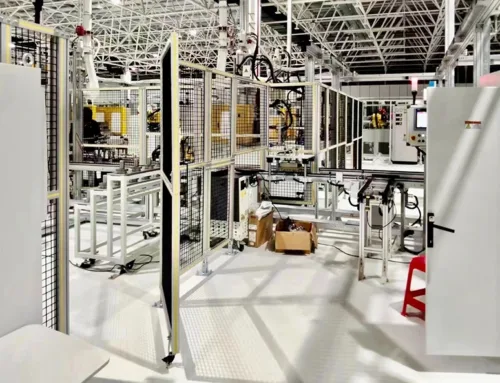
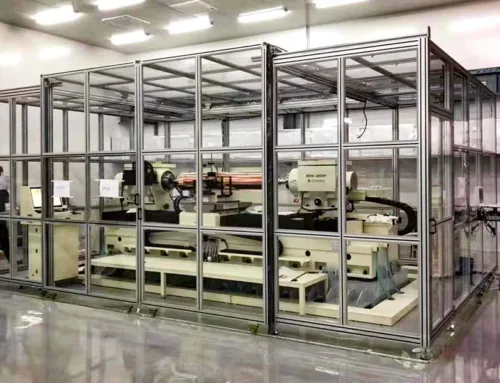
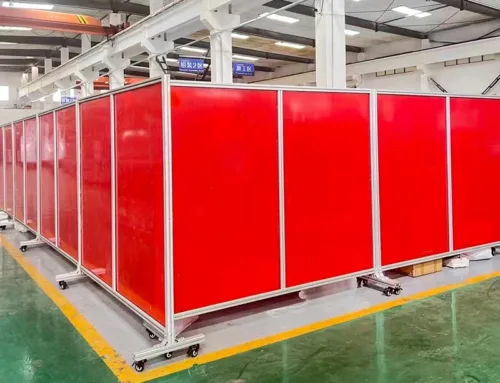
Machine guards fence: an important component of workplace safety

In any industrial setting, the presence of heavy machinery and equipment poses inherent risks to workers and visitors. To mitigate these dangers and ensure a safe working environment, machine guards fences have become a crucial element of workplace safety protocols. These physical barriers act as a protective shield, preventing direct contact with hazardous machinery and significantly reducing the likelihood of accidents. This article explores the significance of machine guard fences in safeguarding personnel and enhancing overall workplace safety.
The Role of Machine Guards Fences in Accident Prevention
One of the primary purposes of machine guards fences is accident prevention. These fences are designed to enclose dangerous machinery, such as rotating gears, conveyor belts, and press machines. By effectively isolating these hazardous areas, machine guards’ fences prevent accidental contact, thereby reducing the risk of amputations, crush injuries, and other severe harm to workers. These barriers act as a first line of defense against potential accidents and serve as a constant reminder of the importance of safety in the workplace.
Machine guards fences also play a critical role in promoting compliance with safety regulations and standards. Occupational Safety and Health Administration (OSHA) guidelines mandate the use of machine guards to protect workers from known hazards. Employers who implement machine guards fences demonstrate their commitment to employee welfare and avoid potential legal liabilities resulting from safety violations.
Advantages of Machine Guards Fences in Enhancing Workplace Safety
-
-
- Accident Reduction and Increased Productivity: Machine guards fences create a safer work environment, which leads to a decrease in accidents and injuries. When workers feel secure and protected, they can focus on their tasks without unnecessary distractions or fear of potential harm. This, in turn, boosts productivity and efficiency in the workplace.
- Employee Morale and Retention: Prioritizing employee safety through the implementation of machine guards and fences fosters a positive work culture. Workers feel valued and appreciated, leading to higher morale and increased job satisfaction. Moreover, a safer work environment reduces turnover rates, as employees are more likely to stay with a company that demonstrates genuine concern for their well-being.
-
In conclusion, machine guards’ fences are an indispensable component of workplace safety. These barriers not only prevent accidents but also demonstrate an organization’s commitment to the well-being of its workforce. By incorporating machine guards fences into their safety protocols, industries can create a culture of safety, ultimately leading to a more productive and thriving work environment. Prioritizing safety through the use of machine guards fences is an investment in both the welfare of employees and the overall success of the business.
Valla de aislamiento de equipos para celdas de carga de robots: Alfence detiene paradas molestas
Para celdas de carga robóticas, la valla de aislamiento Alfence mantiene sensores, enclavamientos y rutas de cable fuera de los postes de acero pintado para que el PLC no se dispare con señales falsas de puerta.
Vallado de protección de máquinas para líneas higiénicas de alimentos y farmacia | Alfence
El vallado de protección de máquinas Alfence utiliza construcción de valla de seguridad con perfiles de aluminio y protección anticorrosión con recubrimiento en polvo para soportar diseños higiénicos en alimentos, bebidas, farmacéutica y salas limpias.
Cercas de protección para máquinas en plantas higiénicas de alimentos, bebidas y farmacéuticas | Alfence
El vallado de protección de máquinas Alfence utiliza perfiles de aluminio y recubrimiento en polvo para proteger líneas sensibles a la higiene con una barrera más limpia y fácil de mantener.