ES
ES  EN
EN  DE
DE  RU
RU  PT
PT  JA
JA  IT
IT 
Protective Barriers
Protective Barriers are innovative safety solutions designed to ensure the security and protection of your workspace. These barriers are engineered to provide a robust line of defense against various workplace hazards, making them an essential addition to any industrial or commercial setting. With a focus on durability and adaptability, Protective Barriers offer superior protection in a wide range of applications.
What are Protective Barriers?
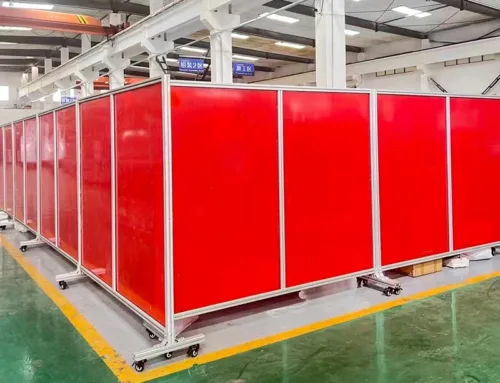
Protective Barriers, also known as safety barriers or guardrails, are versatile safety installations designed to prevent accidents and protect both personnel and equipment in the workplace. They consist of sturdy, impact-resistant materials such as steel or aluminum and are strategically placed to create a protective boundary.
Key Features of Protective Barriers:
- Durability: Protective Barriers are built to withstand heavy-duty use and resist damage from impacts, ensuring long-term reliability.
- Adaptability: These barriers can be customized to fit various workspace dimensions and layouts, making them suitable for different industries and environments.
- Enhanced Safety: By creating a physical barrier between potential hazards and personnel or equipment, Protective Barriers significantly reduce the risk of accidents.
- Easy Installation: The installation process is straightforward, allowing for quick setup without disrupting your operations.
- Compliance: Our Protective Barriers meet industry safety standards and regulations, ensuring your workplace remains compliant.
How do Protective Barriers Work?
Protective Barriers are strategically placed in your workspace to create a protective perimeter. They act as a shield against potential hazards, such as heavy machinery, forklifts, or falling objects. In the event of an impact, the barriers absorb the force, preventing further damage or injury.
Installation Process:
The installation of Protective Barriers is a straightforward process. Here are the basic steps:
- Identify the areas in your workspace that require protection.
- Measure and customize the Protective Barriers to fit the designated spaces.
- Secure the barriers in place using anchor bolts or other appropriate fasteners.
- Regularly inspect and maintain the barriers to ensure their continued effectiveness.
Applications of Protective Barriers:
Protective Barriers find applications in a variety of industrial and commercial settings, including:
- Manufacturing Facilities
- Warehouses
- Construction Sites
- Logistics Centers
- Automotive Workshops
- Chemical Plants
These barriers are essential wherever safety and protection are paramount concerns.

Why Choose Protective Barriers?
When it comes to safeguarding your workspace, Protective Barriers offer several advantages:
- Enhanced Safety: Protects personnel and equipment from potential accidents.
- Durability: Built to withstand heavy usage and harsh environments.
- Compliance: Meets industry safety standards and regulations.
- Customizability: This can be tailored to your specific workspace requirements.
- Easy Installation: Quick setup without disruptions to your operations.
Choose Protective Barriers to ensure the safety and security of your workplace.
Invest in Protective Barriers today and experience the peace of mind that comes with a safer and more secure workspace.
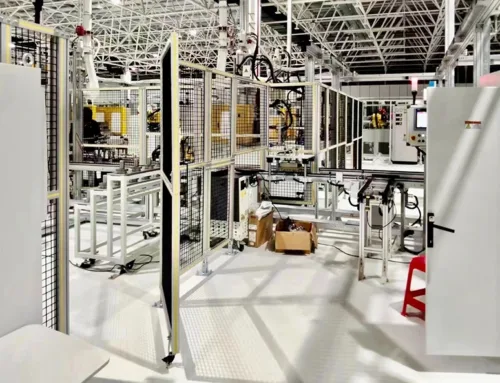
Valla de aislamiento de equipos para celdas de carga de robots: Alfence detiene paradas molestas
Para celdas de carga robóticas, la valla de aislamiento Alfence mantiene sensores, enclavamientos y rutas de cable fuera de los postes de acero pintado para que el PLC no se dispare con señales falsas de puerta.
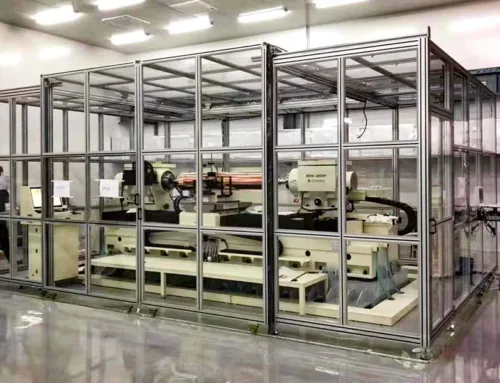
Vallado de protección de máquinas para líneas higiénicas de alimentos y farmacia | Alfence
El vallado de protección de máquinas Alfence utiliza construcción de valla de seguridad con perfiles de aluminio y protección anticorrosión con recubrimiento en polvo para soportar diseños higiénicos en alimentos, bebidas, farmacéutica y salas limpias.
Cercas de protección para máquinas en plantas higiénicas de alimentos, bebidas y farmacéuticas | Alfence
El vallado de protección de máquinas Alfence utiliza perfiles de aluminio y recubrimiento en polvo para proteger líneas sensibles a la higiene con una barrera más limpia y fácil de mantener.