ES
ES  EN
EN  DE
DE  RU
RU  PT
PT  JA
JA  IT
IT 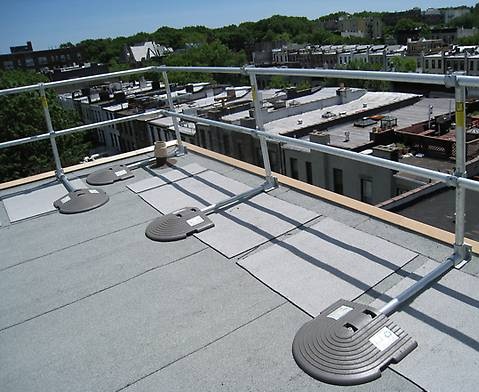
Roof Guardrail
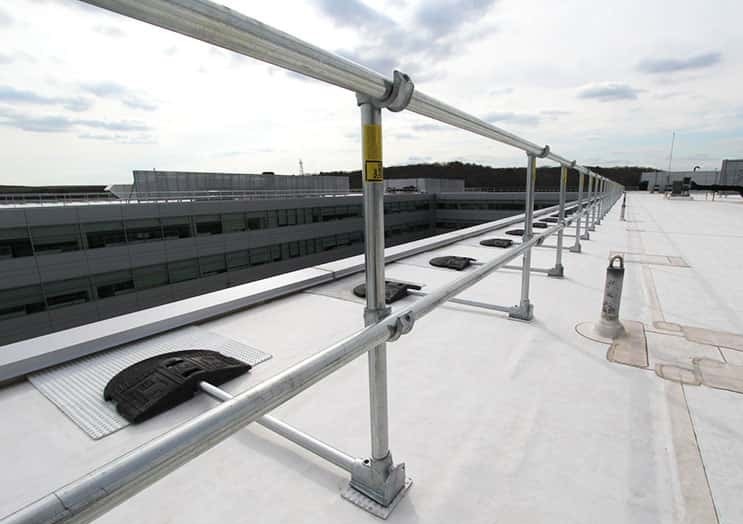
Roof guardrails are essential safety equipment designed to protect individuals working on rooftops or raised platforms from the risk of falls. They serve as a crucial barrier to prevent accidents and ensure the well-being of workers. To maintain a safe work environment, it is important to understand the expected lifespan of roof guardrails and how to determine when they require replacement or upgrades.
Understanding the Lifespan of Roof Guardrails
The expected lifespan of roof guardrails can vary depending on several factors, including the materials used, environmental conditions, and the level of maintenance. Here are key considerations to keep in mind:
Materials and Quality
The quality of materials used in the construction of roof guardrails plays a significant role in determining their lifespan. High-quality materials, such as corrosion-resistant steel or aluminum, can offer a longer service life. Regular inspections and proper maintenance can further extend their longevity.
Environmental Conditions
The environment in which the roof guardrails are installed can impact their durability. Exposure to harsh weather conditions, such as extreme temperatures, heavy rainfall, or saltwater environments, can lead to faster wear and tear. Roof guardrails in coastal areas, for example, may require more frequent inspections and maintenance.
Maintenance and Inspections
Regular maintenance and inspections are critical to ensuring the continued safety and functionality of roof guardrails. Periodic examinations should be conducted to check for signs of rust, corrosion, loose fasteners, or any damage. A well-maintained guardrail system can significantly extend its lifespan.
Signs That Roof Guardrails Need Replacement or Upgrades
It’s essential to recognize when roof guardrails require replacement or upgrades to maintain a safe working environment. Here are some common indicators that it may be time for action:
Rust or Corrosion
Visible rust or corrosion on guardrail components is a clear sign that they need attention. If left unaddressed, rust can weaken the structure, reducing its ability to withstand a fall.
Loose Fasteners
If fasteners, such as bolts and nuts, are loose or missing, it’s essential to tighten them or replace them as necessary. Loose connections compromise the integrity of the guardrails.
Damaged Components
Any damaged or bent components should be promptly replaced. Damaged sections are unable to provide the intended level of protection and should not be overlooked.
Changes in Regulations
If safety regulations or standards have been updated since the installation of your guardrails, consider whether your system meets the new requirements. Upgrades may be necessary to remain compliant.
Visible Wear and Tear
If your guardrails show visible signs of wear and tear, such as dents, scratches, or deformities, they may no longer offer optimal protection. Replacement or upgrades should be considered.
Conclusion
Understanding the expected lifespan of roof guardrails and recognizing the signs that they need replacement or upgrades is crucial for maintaining a safe work environment. Regular inspections and proper maintenance can extend the lifespan of your guardrails, but when signs of deterioration are present, it’s essential to take action to ensure the continued safety of workers.
Reconfiguración de la línea de alimentos y bebidas: cómo la valla de seguridad sin marco Mefence convierte la zonificación de la planta en un activo reutilizable
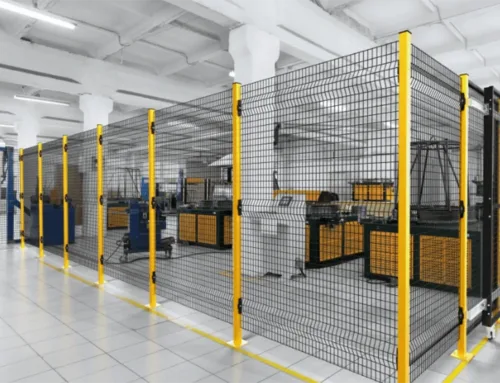
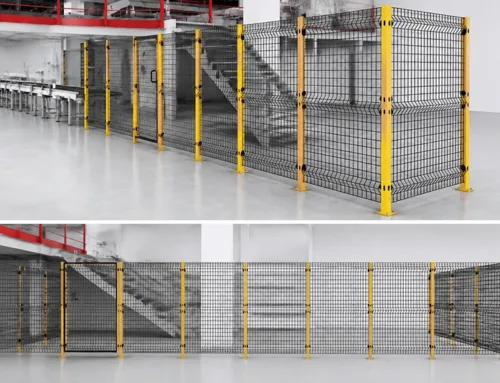
Los ciclos de vida cortos de los SKU y los cambios frecuentes en las líneas de producción hacen que abandonar las particiones soldadas sea costoso. El vallado de seguridad industrial 3D sin marco Mefence utiliza módulos fijados con clips, corte en sitio y componentes reutilizables para la zonificación de almacenes, protección de maquinaria y separación peatón-vehículo.
Reconfiguración de líneas de alimentos y bebidas: cómo Mefence convierte el vallado de seguridad industrial en un activo reutilizable
Los ciclos de vida más cortos de los SKU obligan a las plantas de alimentos y bebidas a rediseñar las zonas de producción. El vallado de seguridad industrial 3D sin marco de Mefence se puede desmontar, cortar en el sitio, mover y reutilizar a medida que cambian los diseños.
Reconfiguración de líneas de alimentos y bebidas: convierta la valla de seguridad Mefence en un activo reutilizable de la planta
Cuando los SKU estacionales y las pruebas piloto cambian repetidamente la distribución de producción de alimentos y bebidas, la valla de seguridad Mefence reemplaza la zonificación soldada con una barrera modular sin marco que se puede desmontar, cortar en el sitio y reutilizar.