IT
IT  EN
EN  DE
DE  RU
RU  PT
PT  JA
JA  ES
ES 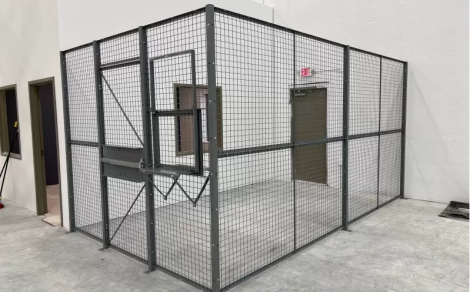
For years, the management at Apex Logistics, a bustling third-party logistics (3PL) center, viewed the minor chaos at their loading docks as a simple, unavoidable cost of doing business. But a closer look revealed that this “minor chaos” was a major drain on their efficiency, safety, and morale. This is the story of how they implemented a systematic “entry point revolution” and the remarkable results that followed.
The “Before” Snapshot: A Picture of Controlled Chaos
Apex Logistics operates a 200,000-square-foot facility with 24 loading docks, managing over 150 trucks daily. Their Operations Director, Maria Chen, was facing a familiar set of challenges. An internal audit revealed alarming numbers: the average driver processing time was 14 minutes, creating significant congestion. Staff were losing over 35 hours per week to interruptions, and three safety incidents had been documented in the past year. The tipping point came when a prospective client was deterred by the visible confusion, highlighting the chaos as a major strategic liability.
The Solution: A Process-First Approach to Physical Control
The Apex team decided to act, re-engineering their entire visitor management process. They analyzed the flow of people and machines to identify the optimal location for a centralized access control point. Based on their high traffic, they specified a robust divisorio in rete metallica system with separate entry and exit doors, keypad locks, and integrated service windows. The modular system was installed over a single weekend with zero operational downtime, and carriers were briefed on the new, faster process beforehand.
The Results: A 90-Day Transformation
The results, measured 90 days post-implementation, were transformative. The average driver transaction time plummeted from 14 minutes to just under 4 minutes—a 71% reduction. This improved truck turnaround by 30%, allowing Apex to handle more volume without adding staff. In the six months since, they have recorded zero unauthorized pedestrian entries and zero safety incidents. The full ROI on the system was achieved in just under 11 months through eliminated productivity losses and re-assigned security labor.
A New Standard of Operation
By implementing an engineered divisorio in rete metallica, Apex Logistics did more than solve a safety issue. They unlocked a new level of operational efficiency, improved employee morale, and enhanced their professional reputation. “We initially did this to solve an internal problem,” concludes Maria. “But it has become a selling point. When we show new clients our clean, controlled, and efficient receiving process, it gives them immediate confidence in our ability to manage their business.”