IT
IT  EN
EN  DE
DE  RU
RU  PT
PT  JA
JA  ES
ES Safety guarding fence
Safety guarding fence for heavy scrap flyout protection in recycling lines
When a scrap shredding line or vehicle dismantling bay sits next to forklift traffic, the fence is not there for looks. It has to stop flying metal, absorb accidental impact, and stay straight after repeated hits. This safety guarding fence is built for that job.
Why this safety guarding fence fits heavy-impact recycling zones
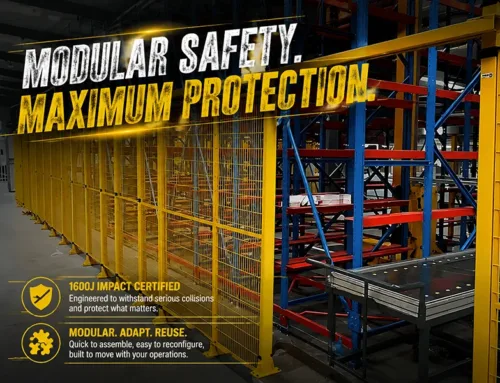
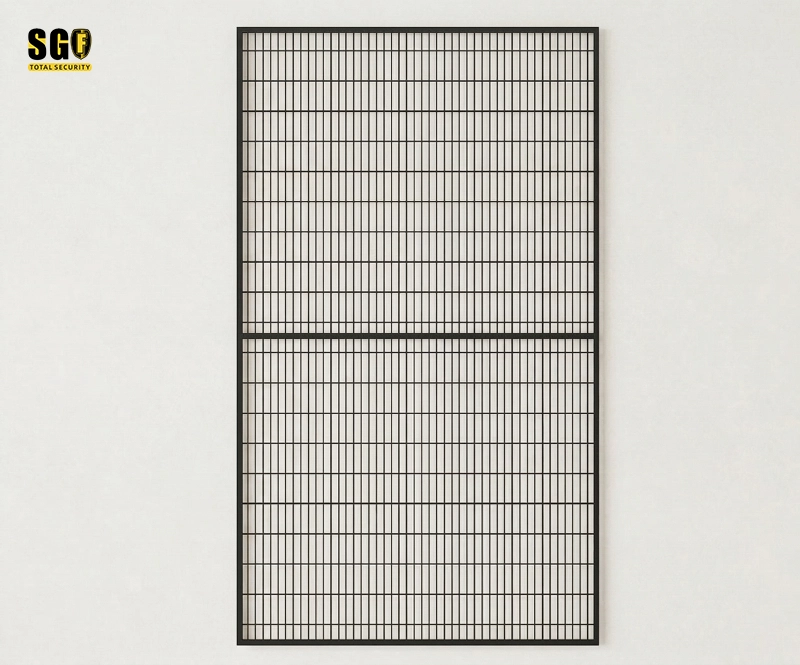
In scrap recycling and dismantling yards, a light duty barrier usually fails in two ways: it bends when a forklift clips it, or it leaves open gaps that let fragments pass through. Mdfence solves both problems with a rigid Q235 carbon structural steel frame, 60×60 mm posts, TÜV-tested impact resistance up to 1600 J, and a 20×100 mm anti-intrusion micro-mesh that blocks debris without turning the line into a blind corner.
| Requisito | Risposta di Mdfence |
|---|---|
| High impact collision risk | 60×60 mm Q235 steel posts and a TÜV-tested 1600 J impact rating help the fence keep its shape after accidental forklift contact. |
| Flying scrap and debris | 20×100 mm micro-mesh reduces the chance that broken metal pieces escape the guarded zone and injure nearby workers. |
| Harsh industrial use | Rigid welded structure and fixed panel layout suit heavy-duty recycling lines where the fence must survive repeated daily abuse. |
| Fast installation and stable anchoring | Base plate fixing and clamp-based structure support a clean, repeatable layout around machines, transfer lanes, and demolition bays. |
Structure evidence behind the safety guarding fence
Impact-rated frame for collision zones
The strongest reason to specify this safety guarding fence is the frame itself. The product board shows the weld seam, coating, and base plate details that matter in a recycling plant. Those details support a rigid barrier that can stand up to repeated knocks, not a thin panel that flutters after the first hit. In a yard where metal blocks and forklifts move fast, the fence needs real structure first and visual neatness second.
Micro-mesh that blocks flyout without killing visibility
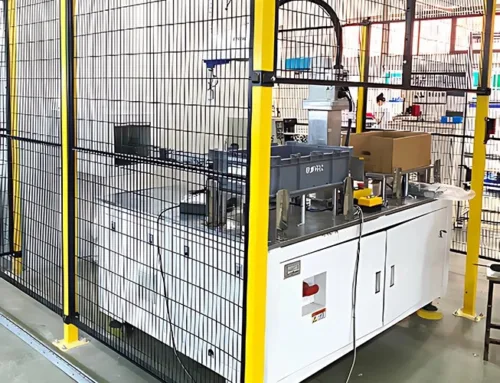
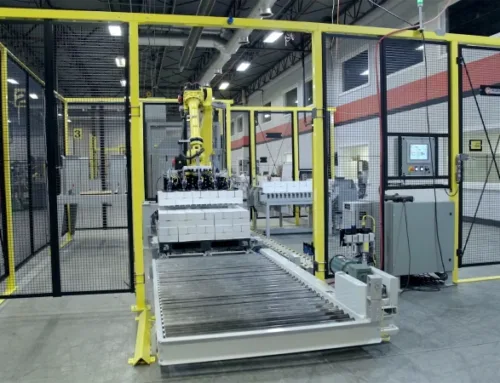
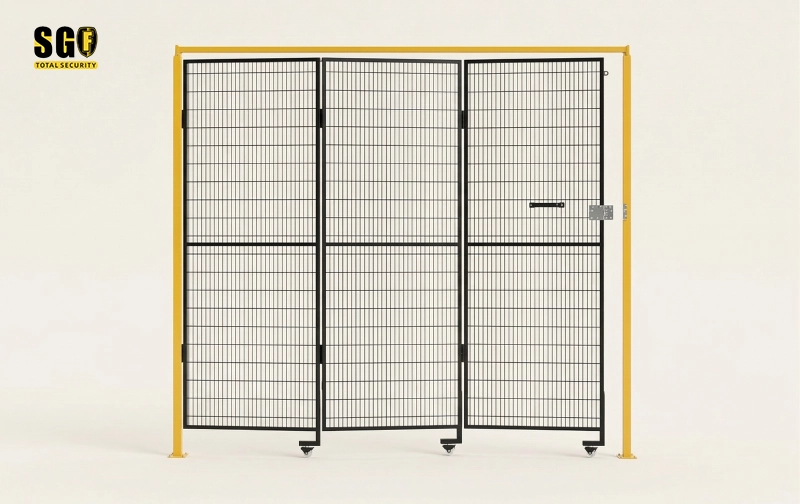
The 20×100 mm micro-mesh is the key difference between a simple boundary and a real machine fencing layer. It gives the line a tight physical screen against scattered fragments while still letting operators see the machine cell and the surrounding workflow. That balance matters on scrap breaking lines, where the fence must stop flying debris but still allow inspection, supervision, and safe traffic control.
Anchored installation that stays aligned after abuse
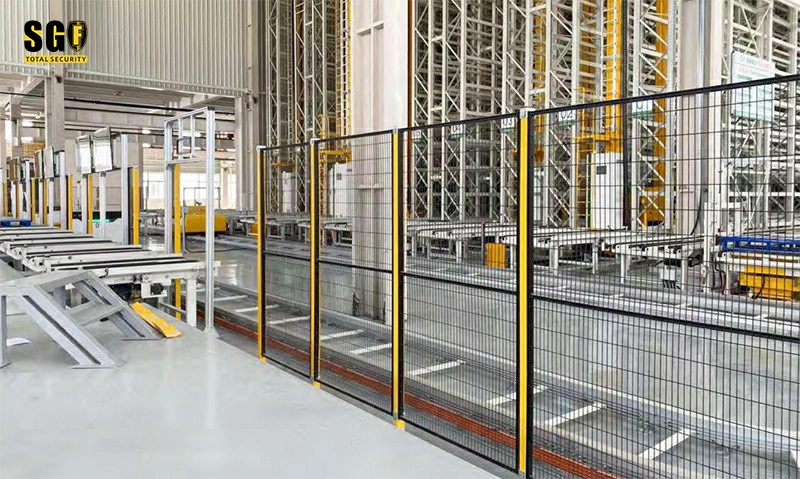
Impact resistance is only useful when the base stays fixed. The installation diagram shows the drilling, expansion bolts, and retaining ring sequence used to lock the fence into the floor. That is why the system is suitable for high-traffic recycling areas: once installed, each panel works as part of a continuous guarding line rather than as a loose set of barriers that drift out of position over time.
Where this safety guarding fence works best
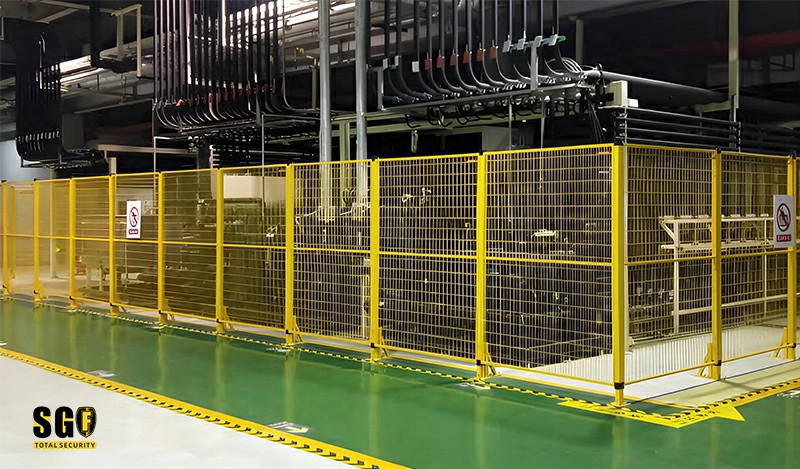
- Scrap shredding and metal breaking lines with frequent flying fragments
- Vehicle dismantling areas where heavy parts can be dropped or kicked out of the work cell
- Forklift routes running close to machine cells and transfer points
- Sorting, dumping, and conveyor zones that need visible but rigid machine fencing
- Recycling plants that need a stronger replacement for light-duty mesh barriers
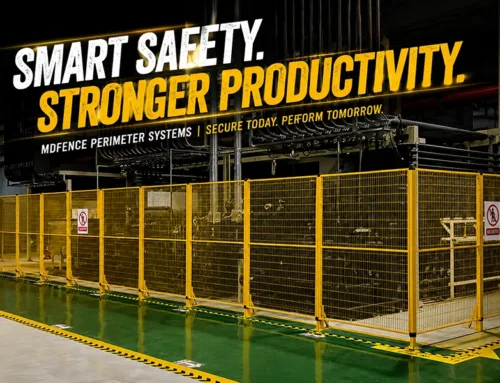
For these applications, the product is not just a fence panel. It is a guarding system built around real collision energy, real debris control, and a layout that keeps the work zone readable for operators and supervisors.
Cosa confermare prima di specificare una recinzione di protezione
Before you approve a new fence line, confirm the impact rating, post size, mesh opening, fixing method, and whether the barrier is designed for debris control as well as access control. For heavy recycling work, Mdfence answers those questions with Q235 steel, 60×60 mm posts, 20×100 mm micro-mesh, TÜV-tested 1600 J performance, and a fixed anchoring method that suits harsh industrial use.
Need a safety guarding fence for scrap and collision risk?
If your line faces flying metal, forklift bumps, or a mix of both, ask for a guarding layout matched to the actual machine zone. Mdfence can be specified as a machine fencing barrier that protects people, keeps visibility, and holds up in a high-impact recycling environment.