IT
IT  EN
EN  DE
DE  RU
RU  PT
PT  JA
JA  ES
ES Fence guarding for dense scrap sorting centers
Fence guarding that keeps compliance tight when floor space is expensive
Mdfence helps metal recycling plants and indoor sorting centers protect dense equipment layouts without giving away valuable aisle width. Its 20x100mm precision mesh supports a legal safety separation distance as low as 120mm, so operators can keep access routes, storage zones, and transfer points working inside a much smaller footprint.
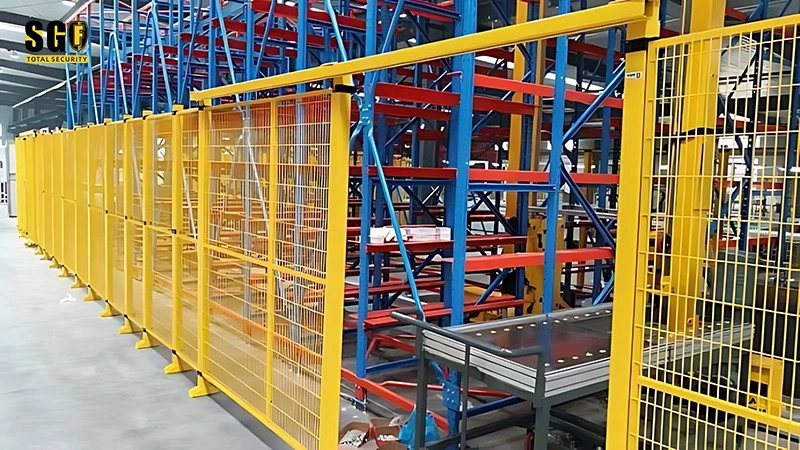
Why dense scrap sorting centers need a different fence guarding strategy
Indoor metal recycling spaces are not open warehouses. They are packed with conveyors, sorting stations, storage piles, service routes, and people moving in opposite directions. A traditional safety fence often solves compliance by forcing the planner to step back too far, which steals aisle width from a site where every square meter is already expensive. Mdfence was selected for exactly this kind of layout problem: keep the barrier legal, keep the machine zone separated, and keep the working footprint compact.
| Layout problem | Risposta di Mdfence |
|---|---|
| Tight aisles between scrap stock, conveyors, and service access | 20x100mm precision mesh helps reduce the legal safety separation distance to 120mm |
| High-value floor area lost to oversized setbacks | Compact guarding lets planners recover usable storage and circulation space across multiple sites |
| Retrofits inside live facilities | Modular posts, panels, and base plates fit dense plant layouts without rebuilding the whole line |
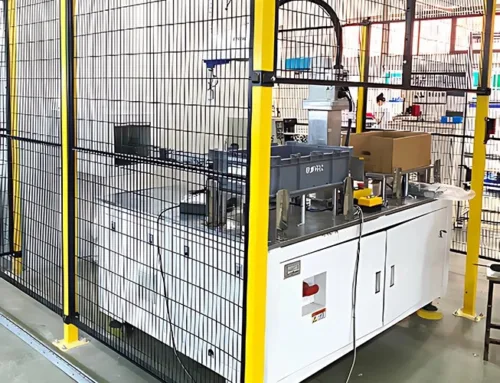
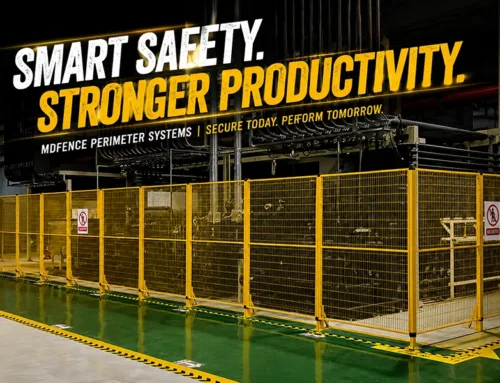
| Need for visible, reliable separation around operating equipment | Black mesh and yellow framing keep the exclusion zone readable for operators and supervisors |
Three reasons Mdfence fits space-starved recycling sites
1. Safety distance is trimmed, not sacrificed
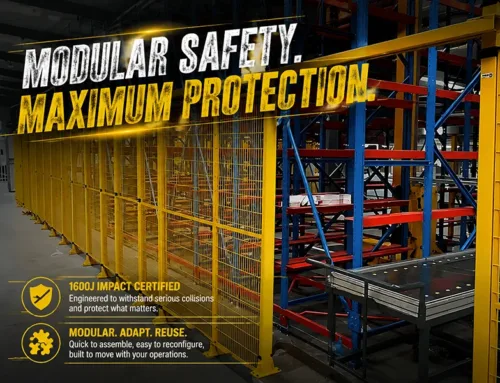
For a dense sorting center, the main win is not simply “more fence.” It is more working room. Mdfence uses a 20x100mm precision mesh pattern to satisfy strict guarding expectations while supporting a legal separation distance as low as 120mm. That matters in indoor scrap facilities where an extra 300 or 500mm around every guarded edge can snowball into a major loss of rack capacity, turning aisle planning into a constant compromise. With this kind of fence guarding, the barrier stays close to the hazard and the plant keeps the floor.
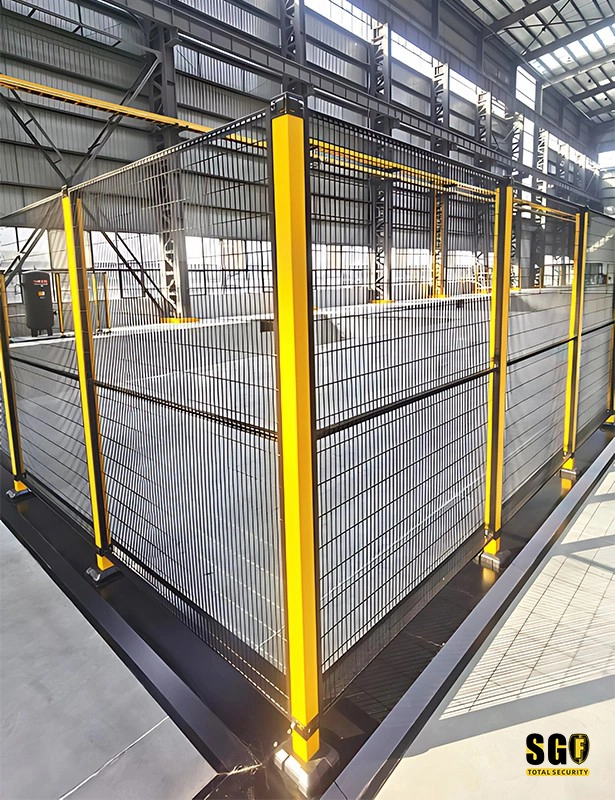
2. The structure is built for dense industrial layouts
The product evidence is visible in the detail shots: mesh panel alignment, fixing clamps, weld seams, coating quality, and base plate construction. Those are not decorative features. They are the reason the fence can be installed along narrow travel paths and still hold a predictable line. In a recycling plant, a fence that drifts out of alignment creates bottlenecks. A fence with clear post-panel relationships and solid floor anchoring keeps the boundary exact, which is what planners need when every bay and passageway is already committed.
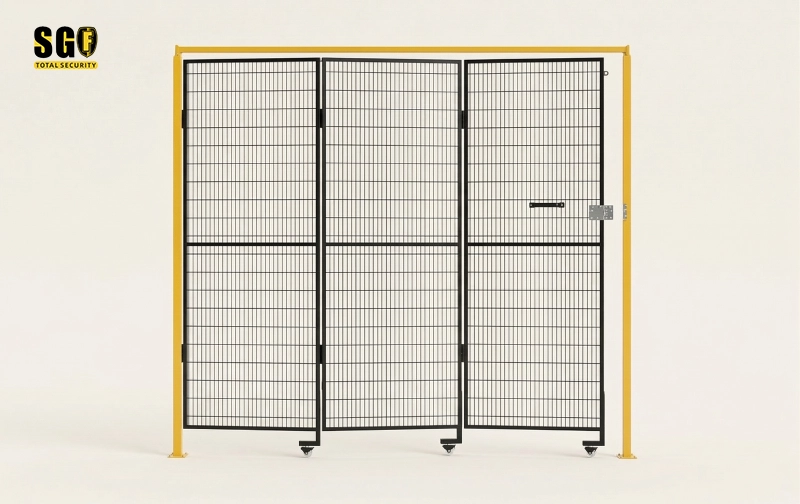
3. Installation fits live plants, not empty showrooms
The installation diagram matters because many fence guarding projects are retrofit jobs. Base plate positioning, drilling, expansion bolts, and retaining rings are the practical parts that decide whether the project can be completed inside an operating facility. Mdfence is designed so the guarding system can be anchored cleanly and repeatably, making it suitable for phased upgrades in facilities that cannot stop production. That keeps the upgrade path realistic for multi-site operators who need a repeatable method across many locations.
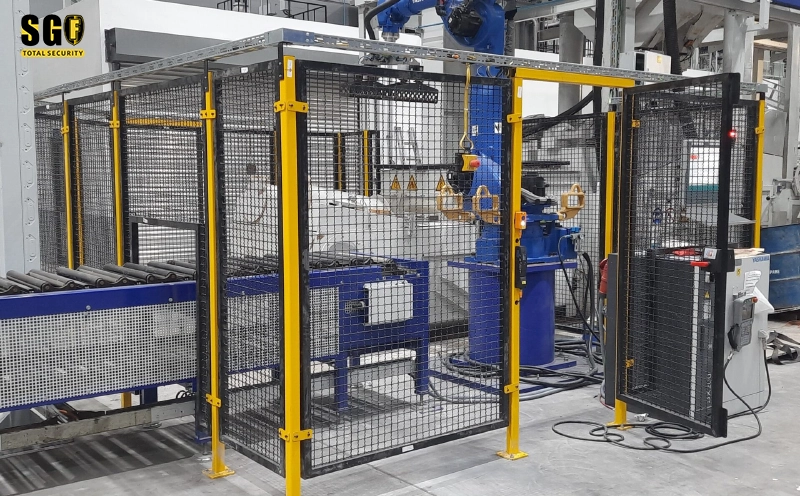
Where this fence guarding approach pays off
- Indoor scrap sorting centers where storage, sorting, and access lanes compete for the same floor space.
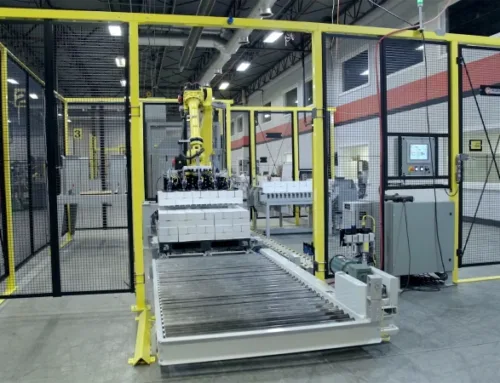
- Metal recycling plants that need strict separation around conveyors, transfer points, and machine cells.
- Retrofit projects where existing layout geometry leaves little room for conventional setback distances.
- Multi-site operators that want one repeatable guarding standard across many plants.
For a global operator with 135 locations, the benefit compounds quickly. A smaller compliant setback at each machine cell does not just save one aisle. It protects circulation, preserves storage edges, and makes the whole plant easier to expand without moving equipment again.
What to check before specifying fence guarding for a tight recycling site
Start with the real machine envelope, the access route width, and the minimum safety separation you must hold under local rules. Then check whether the selected fence system can keep the guarding line close enough to preserve usable area. Mdfence addresses that requirement with precision mesh geometry, a compact structural layout, and installation hardware built for repeatable anchoring. If the site is space-starved, the guard must be part of the layout plan, not an afterthought.
Make the safety boundary smaller, not weaker
Mdfence gives dense scrap sorting centers a practical way to keep compliance, protect operators, and recover valuable floor area. If your facility is paying too much for every millimeter of wasted setback, ask for a site-specific fence guarding proposal.