
 IT
IT  EN
EN  DE
DE  RU
RU  PT
PT  JA
JA  ES
ES 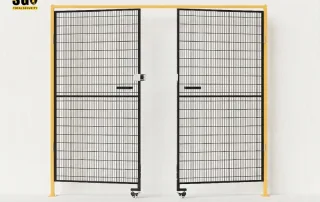
robot safety fence standards
robot safety fence standards
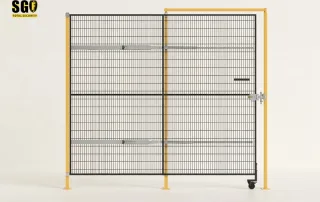
Pannelli di recinzione di sicurezza industriale
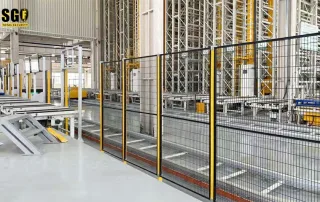
industrial safety fence panels are built for automated pallet nailing lines and packaging lines that need a standard safety interlock interface, fast installation, and a stable emergency-stop response when a guard door is opened.
Sistemi di protezione di sicurezza
safety guarding systems for automated packaging and pallet nailing lines need a clean interface for safety interlocks, stable emergency-stop logic, and a layout that reduces hidden installation labor.
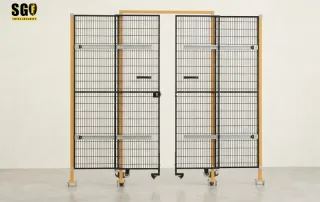
Protezione perimetrale della macchina
Machine Perimeter Guarding for automated pallet nailing and packaging lines, with pre-planned interlock interfaces that cut hidden installation work.
Recinzione di sicurezza per la protezione delle macchine
Recinzione di sicurezza per la protezione delle macchine
machine guarding safety fence
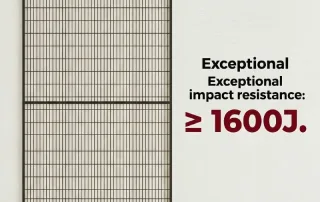
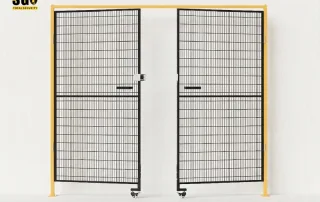
Machine guarding safety fence for pallet nailing and cutting lines that need better debris control and a smaller safety setback.
recinto di protezione per la sicurezza
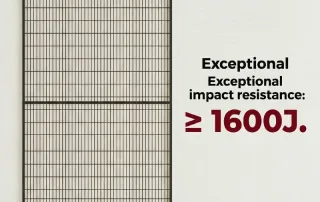
Mdfence helps wood-processing and pallet lines control flying chips and broken nails while shrinking the required safety distance to 120mm.
Recinzione di sicurezza per macchinari
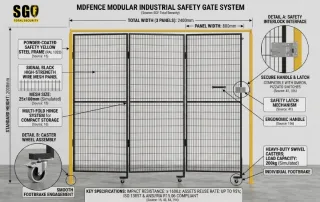
safety fence for machinery built for wood processing and pallet nailing lines. Mdfence uses 20x100mm narrow-slot mesh and a compact 120mm guarding setup to contain debris while saving floor space.
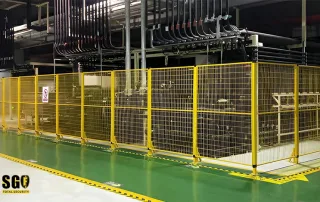
Sistemi di protezione delle macchine
Machine Guarding Systems helps live medical and high-end manufacturing sites install machine guarding with a cold-work, bolt-together method that avoids sparks, dust, odor, and hot-work delays.
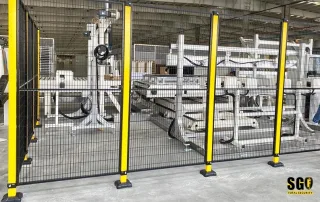
Pannelli di recinzione per protezione macchine
machine guarding fence panels built for clean, no-hot-work installation in medical, optical, and high-end manufacturing plants where dust, sparks, odor, and shutdown risk are not acceptable.

