
 IT
IT  EN
EN  DE
DE  RU
RU  PT
PT  JA
JA  ES
ES 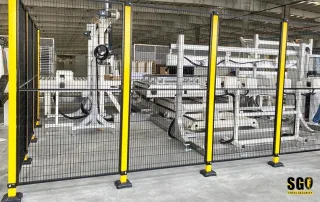
Recinzione di protezione
La protezione tramite recinzioni per camere bianche mediche e per la produzione di alta gamma significa installazione a freddo, nessun permesso per lavori a caldo e un percorso più rapido verso un recinto di linea sicuro.
recinto di protezione
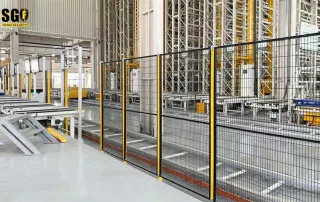
recinzione di protezione per camere bianche e siti di produzione di alta gamma, dove polvere, scintille, odori e permessi per lavori a caldo possono rallentare ogni installazione.
Recinzione di protezione per macchine
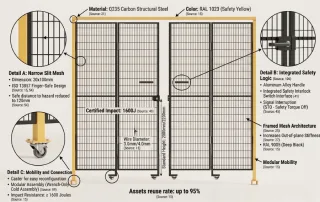
When a medical client or high-end manufacturer needs a line installed inside an operating facility, machine guard fencing has to solve two problems at once: keep the work zone protected and avoid creating a dirty, slow, fire-permit-heavy installation process.
Recinzione di sicurezza industriale
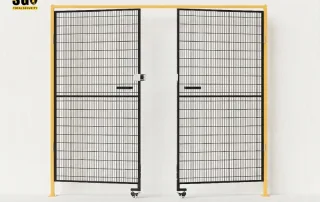
Industrial Safety Fence helps compact automation cells stay close to the hazard zone, protecting forklift lanes and preserving expensive factory floor space.
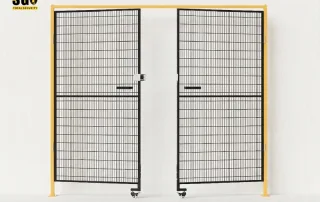
Recinto di Sicurezza per Robot
Robot Safety Fence gives automation builders a compact guarding option for tight cells. With 20x100 mm micro mesh, Mdfence helps place the fence close to the robot hazard source and preserve valuable plant floor area.
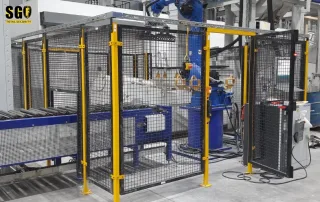
Machine safety fence
Machine safety fence for compact robot cells that need a hard boundary without sacrificing aisle width, pallet flow, or usable floor area.
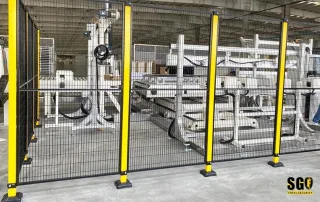
Recinzione della macchina
Machine Fence helps automation suppliers keep guarding close to the robot, reduce wasted floor space, and preserve aisle width with a 20x100mm micro-mesh compact layout.
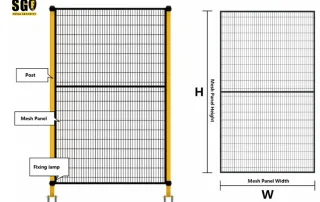
safety fence industria
safety fence industria is built for machine exports that cannot afford an EHS rejection at the final audit. When a line is shipped into Europe or North America, the fence package has to support ISO 14120 physical protection and ISO 13857 safety-distance planning from day one, while still giving the customer a guarding system that can survive real industrial impact.
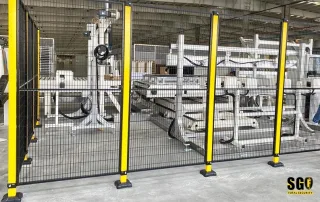
Recinzione di sicurezza industriale
Industrial Safety Fencing for export projects that must pass EHS review, meet ISO 14120 physical guarding expectations, and support ISO 13857 safety distance planning.
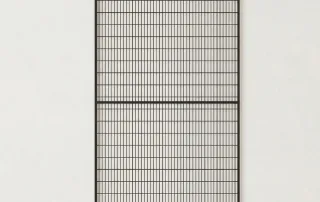
Recinzione di sicurezza per robot
La recinzione di sicurezza per robot consente alle linee di automazione orientate all'esportazione di soddisfare le aspettative di protezione fisica ISO 14120 e di distanza di sicurezza ISO 13857, senza trasformare le verifiche EHS in un ostacolo alle spedizioni.

