
 IT
IT  EN
EN  DE
DE  RU
RU  PT
PT  JA
JA  ES
ES 
GMP Audit Failures: Why Welded Machine Guarding Is Costing You Your Clean Room Certification
Walk into any food processing plant or pharmaceutical manufacturing facility that has been audited for GMP or FSMA compliance. Look at the machine guarding around your automated production lines, packaging equipment, and conveyor systems. If you are using welded wire mesh or angle iron barriers, you are almost certainly out
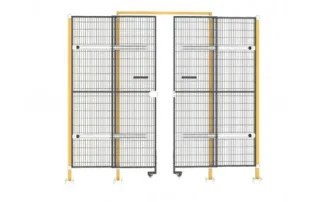
Stop Wasting 90% of Your Construction Barrier Labor Cost With Modular Guarding
Walk onto any active construction site today. Look at the temporary barriers around heavy equipment zones, material lifts, and edge fall protection. 90% of the time, you will see cheap corrugated iron sheets, welded wire mesh, or even wooden pallets propped up as makeshift barriers. Facility and safety managers spend
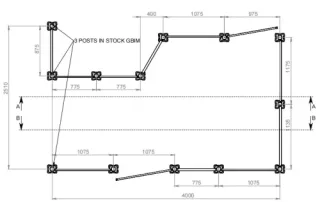
The Shocking Truth About Cheap Machine Guarding: Stop Wasting 20% of Your Warehouse Floor Space
Walk onto the floor of any industrial manufacturing facility or logistics hub built in the last 5 years. Look at the safety barriers around your robotic cells, conveyor lines, and heavy machinery. 9 out of 10 times, you will see cheap locally welded wire mesh or angle iron bolted to
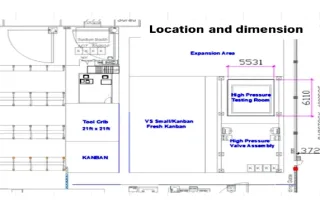
Stop Ruining Your Depot Logistics Automation With Cheap Iron
Walk onto the floor of your new core sorting hub. You just spent millions on new Automated Freight Sorting Systems. The Pallet Wrapping Machines are bolted down, and the conveyors are running at max speed. Look at how you protect them. Most engineering directors sign off on massive budgets for

Stop Buying Wood: The Truth About Bulk Pallet Transport Solutions
Walk onto the loading dock of any major freight depot. Look at the concrete floor. You will see wood splinters, broken nails, and cracked plastic chunks everywhere. Heavy forklifts are jamming their tines into your Bulk Pallet Transport Solutions, tearing them apart shift after shift. I watch facility managers complain
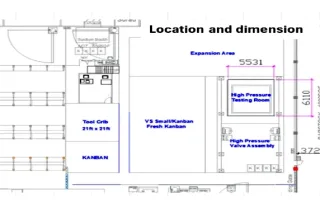
Why Cheap Iron Ruins Your Heavy Duty Pallet Racks and Sorting Lines
Walk onto the dock of any major freight sorting hub right now. Look at the layout. Heavy Duty Pallet Racks are crammed with pallets. Forklifts are flying blind through tight aisles. Conveyor belts are running at max speed. It is loud and chaotic. Look at what separates your high-speed sorting
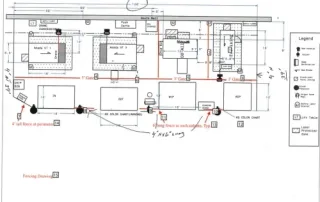
Stop Wasting Aisle Space: The Truth About Heavy Duty Pallet Racking Solutions
Walk into any busy auto parts distribution center. Look at the sorting aisles. You have engines, heavy axles, and irregular metal components stacked high on Automotive Parts Storage Racks. Forklifts are rushing to hit picking targets. It is tight. It is loud. Look at what separates your picking aisles from
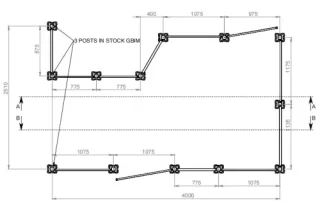
Stop Blaming the CNC: The Hidden Cause of Delayed Precision Automotive Machining
Walk onto the floor of your current Precision Automotive Machining supplier. Look past the high-speed stamping presses and the splashing coolant of the CNC machining centers. Look closely at the safety barriers holding back the heavy forklifts. What do you see? Cheap wire mesh and angle iron welded directly to
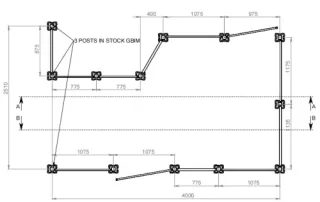
Stop Wasting Floor Space on Cheap Iron Around Your Custom Assembly Line Equipment
Walk onto the floor of any plant upgrading to Industrial Automation Systems right now. Look at the new robotic cells. The Custom Assembly Line Equipment is bolted down. Then, look at the safety barriers. Plant managers spend millions on automation, then hire a local guy to weld cheap angle iron
Stop Wasting Floor Space on Cheap Iron in Waste Recovery Storage
Walk onto the floor of any major Waste Recovery Storage facility. Look at the sorting lines. Heavy loaders are dropping concrete and scrap metal. Conveyor belts are running. Massive forklifts are operating in tight aisles right next to the Industrial Material Handling Automation. It is loud, crowded, and dangerous. What

