IT
IT  EN
EN  DE
DE  RU
RU  PT
PT  JA
JA  ES
ES Dense scrap yards do not have spare floor area.
Machine Fence for Dense Scrap Sorting Centers
Machine Fence helps indoor scrap and metal recovery sites keep the legal separation tight. With a 20×100 mm precision mesh, Mdfence can bring the safety isolation distance down to 120 mm, which matters when every aisle, bin lane, and turning point is already crowded.
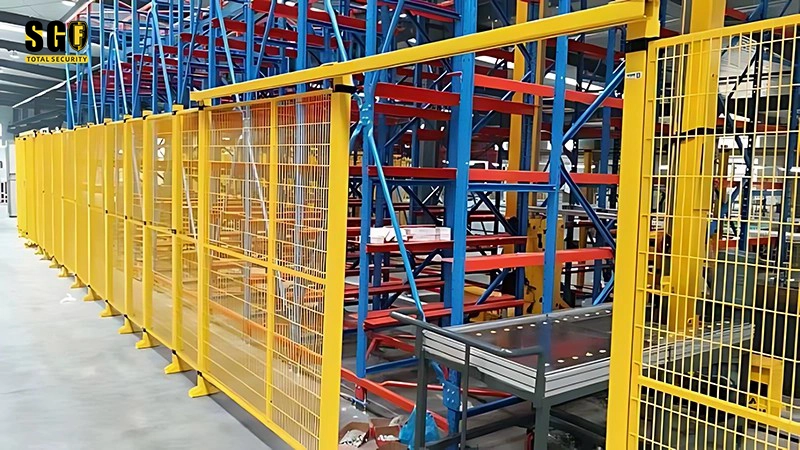
Why the old setback wastes space
In indoor sorting centers, the problem is not just safety. The problem is that traditional fencing often forces a generous standoff, and that standoff becomes dead area. One bay loses room for bins. Another loses a forklift lane. A third loses access for maintenance. The cost is spread across the site, so it is easy to ignore until the layout starts feeling cramped.
| Layout pressure | Risposta di Mdfence |
|---|---|
| Dense scrap storage and sorting | Compact perimeter lines that keep the fence close to the working edge. |
| Traditional safety distance eats floor area | 20×100 mm precision mesh supports a legal isolation distance reduced to 120 mm. |
| Access points still need control | Mesh gates and lock hardware keep entry narrow and managed. |
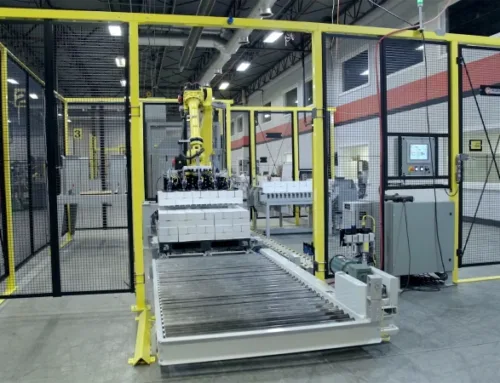
| Rough use around conveyors and transfer lanes | Rigid posts, base plates, and corner closure hold the line where the layout is tight. |
| Rollout across many sites | Repeatable structure lets the same fence logic scale without redesigning each bay. |
Where the space comes back
20×100 mm mesh keeps the barrier narrow
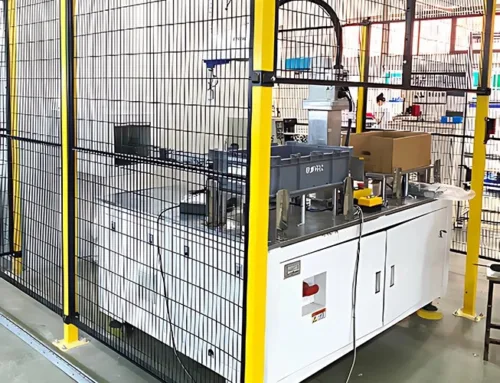
The main gain comes from the mesh itself. The 20×100 mm pattern is precise enough to support a tight safety line, but it does not turn the fence into a bulky wall. In a metal recycling plant, that matters. You can keep the perimeter close to the equipment and avoid pushing the whole line outward just to satisfy the safety rule.
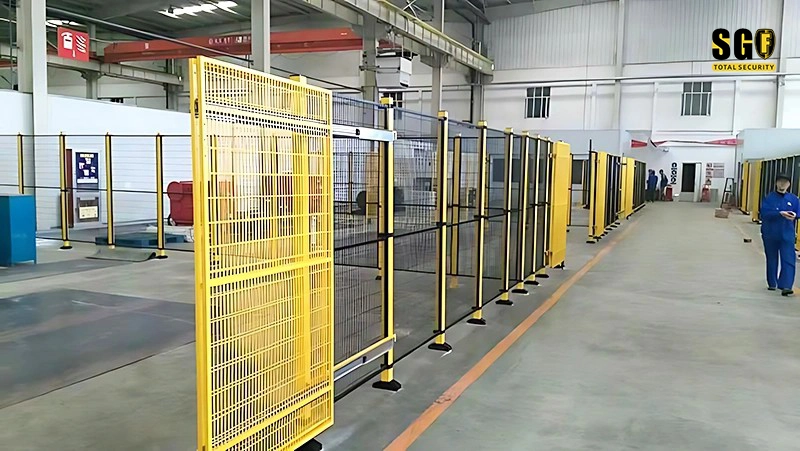
Corners, posts, and base plates keep the line compact
Space-saving only works if the fence stays rigid. The corner detail, post spacing, and top beam need to hold the line without drifting into the aisle. That is why the structure matters as much as the mesh opening. When the edge is stable, the fence can sit close to the sorting lane instead of being pulled back for comfort.
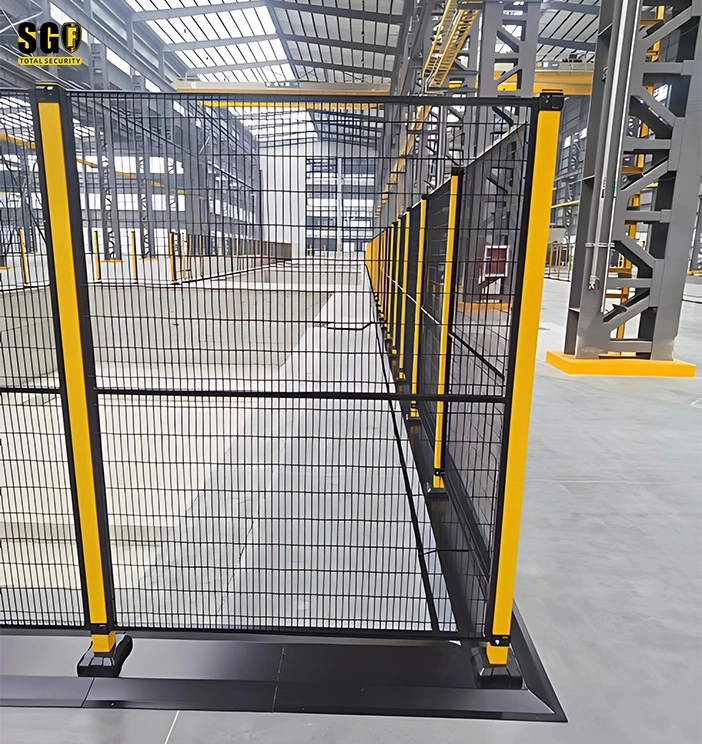
Installation details matter when the site is already full
The installation image shows the part many buyers care about last, but it is usually the part that decides whether the project is practical. Base plate positioning, drilling, expansion bolts, and retaining rings turn the design into a repeatable field job. That makes it easier to retrofit existing indoor centers without blowing up the layout plan.
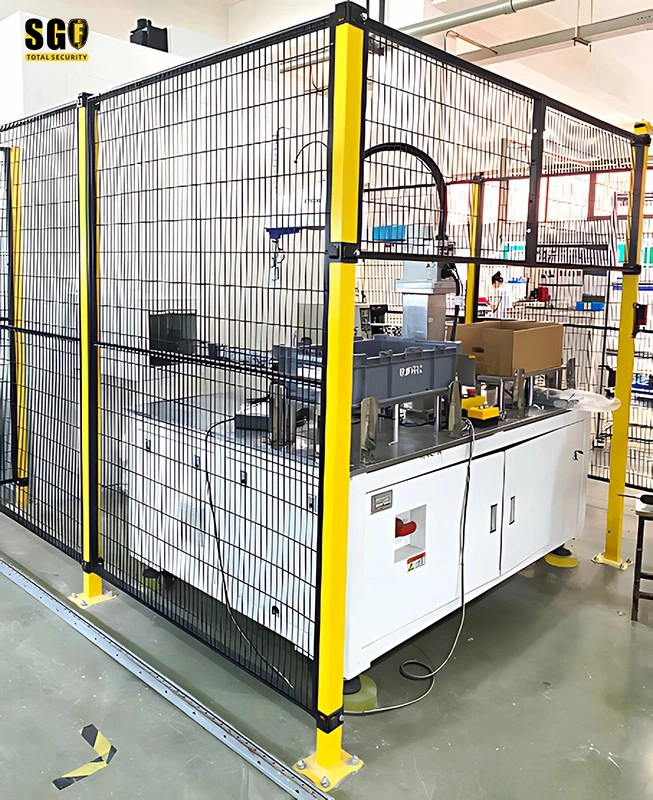
Best fit scenarios
- Indoor scrap sorting centers where bin density leaves little room for wide setbacks.
- Transfer lanes beside conveyors, where aisle width has to stay usable for material flow.
- Metal recovery zones with gates, corners, and access points that cannot be sloppy.
- Multi-site operators that want one fence standard repeated across many plants.
For a global operator with 135 sites, the value compounds. A small gain at one bay turns into a meaningful amount of recovered working space when the same layout is repeated everywhere. That is the point of Machine Fence: comply first, then stop paying for empty buffer zone.
What to send for a layout check
Send the line drawing, aisle width, machine footprints, and the points where people need access. We can map the fence line against the real floor plan and show where the 120 mm isolation distance keeps the work area usable.
Need a tighter safety line?
If your current fence is eating aisle width, ask for a Machine Fence review before the next layout freeze. The right perimeter is the one that protects the site without taking back the floor you already paid for.