IT
IT  EN
EN  DE
DE  RU
RU  PT
PT  JA
JA  ES
ES Sistemi di protezione delle macchine
Machine Guarding Systems for jam-prone scrap lines with STO lockout
When scrap sorting lines and balers keep jamming, maintenance teams need fast access without exposing anyone to an unexpected restart. This Machine Guarding Systems setup combines a physical barrier with an electrical interlock path so the door, the stop circuit, and the machine all behave as one safety system.

Why Machine Guarding Systems fit frequent jam-clearing maintenance
Heavy equipment maintenance is not a rare event on waste metal sorting lines and balers. When a jam happens, operators enter the hazard zone to clear material, clean out the throat, or reset the process. If the machine starts by mistake during that access window, the result can be fatal. Machine Guarding Systems solve this by turning the gate into a control element, not just a fence panel.
| Requisito | Dettaglio del supporto SGF |
|---|---|
| Frequent jam clearance | Interlocked access keeps maintenance entry controlled while the line is stopped. |
| Unexpected restart risk | The gate can be tied directly into the machine STO circuit so opening the door removes power lockout at the source. |
| Fast retrofit on existing equipment | Pre-made adapter carriers allow Omron and Pizzato safety interlocks to mount without drilling. |
| Industrial maintenance access | Fence layout preserves safe entry points for cleaning, inspection, and jam recovery around shredders and balers. |
Structure details that make the system work
Adapter carrier for mainstream safety switches
The first reason this system adapts well to production lines is the preformed mounting carrier. It lets teams install Omron and Pizzato interlock switches directly on the gate assembly without drilling new holes into the fence structure. That saves time, keeps the frame cleaner, and avoids weak points created by ad hoc field modifications.

Electrical interlock tied to STO
Machine Guarding Systems become more than a boundary when the gate is wired into the emergency stop and STO path. Opening the gate triggers a hard stop and lockout logic, so the machine cannot be casually restarted while someone is inside the danger zone. That is the difference between passive guarding and active safety control.

Maintenance access around the machine perimeter
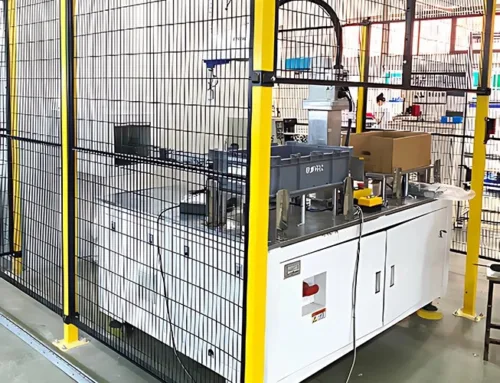
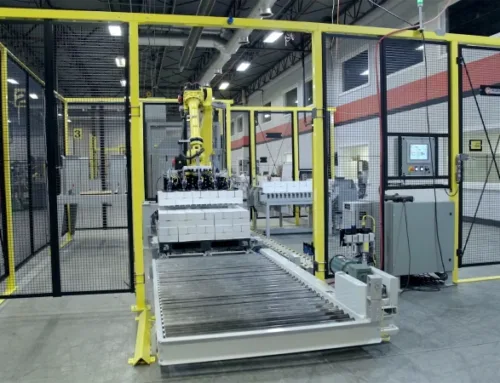
The fence layout is meant for real service work, not just perimeter marking. On shredder and baler lines, operators need predictable access paths for clearing jammed scrap, checking sensors, and performing preventive maintenance. The guarding layout supports that workflow while keeping the hazard boundary intact.

Typical Machine Guarding Systems applications
- Waste metal sorting lines with frequent jam clearing
- Baler stations that need controlled maintenance access
- Shredders with STO-linked gate lockout requirements
- Retrofit guarding for plants using Omron or Pizzato interlocks
For operators facing repeated jam events, the key result is simple: fewer unsafe workarounds, faster maintenance re-entry, and a door system that actually participates in the stop logic instead of relying on warning signs alone.
Cosa confermare prima di specificare la recinzione
Before ordering, confirm the machine stop architecture, the safety switch model, the access direction, and the maintenance path around the equipment. Machine Guarding Systems are most effective when the fence, interlock, and STO circuit are designed together as one control loop. That is how you get a clean retrofit, a clear jam-clearing procedure, and a safer maintenance cycle.
Make the gate part of the safety system
If your line has recurring jams and high-risk entry points, use Machine Guarding Systems that can tie the access gate directly into machine lockout. The goal is not just to fence the machine in; the goal is to make unsafe access impossible during maintenance.