IT
IT  EN
EN  DE
DE  RU
RU  PT
PT  JA
JA  ES
ES 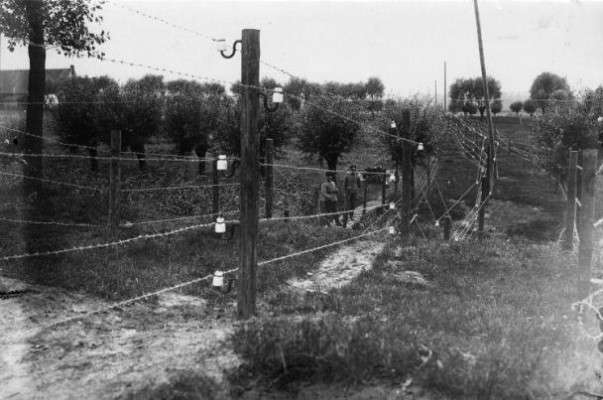
Machine protection system fence development history

The Evolution of Machine Protection System Fences
Machine protection system fences have a rich history of development, with their origins dating back to the Industrial Revolution. As mechanization and automation became prevalent in manufacturing processes, the need to safeguard workers from the dangers of machinery became apparent. Over the years, advancements in materials, technology, and safety standards have led to the evolution of these fences, ensuring the protection of both operators and machines.
During the early days of industrialization, basic wooden barriers were used to prevent access to hazardous machinery. However, these primitive barriers offered limited protection and were often insufficient in preventing accidents. As the industry grew, so did the demand for more robust and effective machine protection.
Advancements in Modern Machine Protection System Fences
The 20th century marked a significant turning point in the development of machine protection system fences. The introduction of steel and metal alloys allowed for the construction of sturdier and more durable fences, providing better protection against potential hazards. Additionally, regulations and safety standards were implemented to ensure workplaces complied with essential safety practices.
In recent decades, the integration of technology has further enhanced machine protection system fences. Automated safety features, such as interlocking mechanisms and sensor-based systems, have been incorporated to improve overall safety levels. These innovative additions ensure that machinery is inaccessible during operation, reducing the risk of accidents caused by human error.
Moreover, the materials used in modern machine protection system fences have evolved to be more versatile and adaptable. Steel, aluminum, and reinforced polymers are commonly employed to create fences that can withstand harsh industrial environments while remaining lightweight and easy to install.
Today, machine protection system fences are designed not only for safety but also for improved productivity. Transparent panels and modular designs allow operators to monitor machinery while maintaining a safe distance, optimizing workflow efficiency.
The history of machine protection system fences is a testament to the ongoing efforts to prioritize worker safety in industrial settings. From rudimentary wooden barriers to modern sensor-equipped structures, these fences have come a long way in providing a secure working environment. As technology continues to advance, the future of machine protection system fences looks promising, with even more sophisticated and efficient safety measures on the horizon.
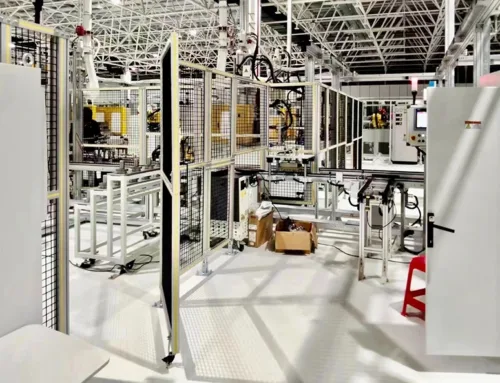
Recinzione di isolamento attrezzature per celle di carico robot: Alfence ferma gli arresti indesiderati
Per le celle di carico robotizzate, la recinzione di isolamento Alfence mantiene sensori, interblocchi e percorsi cavi lontani dai montanti in acciaio verniciato, così il PLC non scatta su falsi segnali di porta.
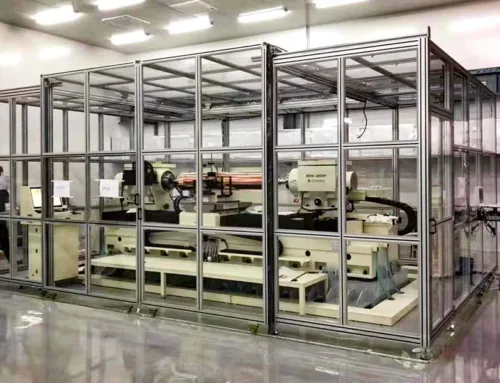
Recinzioni di protezione per macchinari per linee igieniche alimentari e farmaceutiche | Alfence
La recinzione di protezione macchine Alfence utilizza una costruzione in profili di alluminio e una protezione anticorrosione a polvere per supportare layout igienici per alimenti, bevande, farmaceutica e camere pulite.
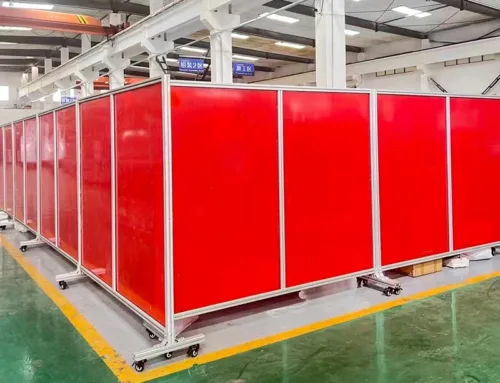
Recinzioni di protezione per macchinari per impianti igienici alimentari, delle bevande e farmaceutici | Alfence
La recinzione di protezione macchine Alfence utilizza profili in alluminio e verniciatura a polvere per proteggere le linee sensibili all'igiene con una barriera più pulita e facile da mantenere.