IT
IT  EN
EN  DE
DE  RU
RU  PT
PT  JA
JA  ES
ES 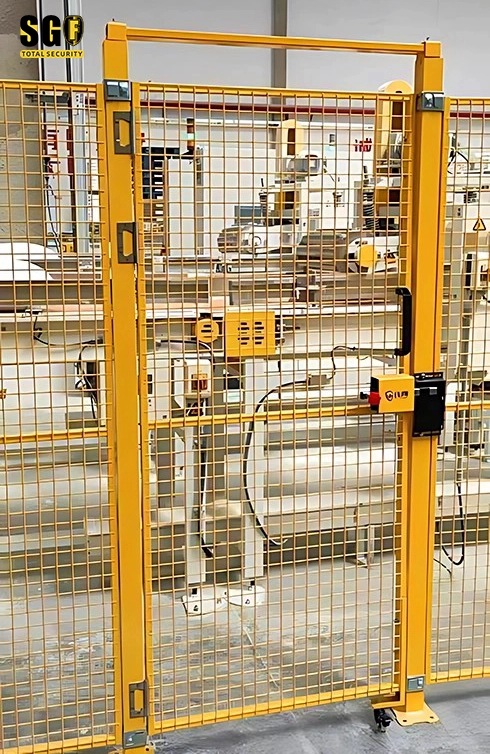
Mdfence machine guarding system helps automation builders integrate Omron and Pizzato safety interlocks without the alignment drift and nuisance downtime often caused by field drilling. Instead of asking installers to measure, punch, and correct each door interface on site, the system uses prepared mounting positions, rigid framed panels, and support hardware that keep access doors square and STO signals stable over long production cycles.
This matters most in compact robotic cells, palletizing stations, and service-access zones where one sagging gate or one misaligned actuator can trigger repeated fault resets, extra technician visits, and avoidable throughput losses. Mdfence is designed to reduce those risks at the mechanical level before they become electrical reliability problems.
Why field-drilled safety doors create nuisance stop risk
Many integrators specify proven interlock brands such as Omron or Pizzato, but the problem is rarely the switch itself. The instability usually begins with the mounting method. When installers drill posts manually on site, the corrosion layer can be damaged, the hole center can drift, and the final switch position may sit slightly off axis to the actuator. That small deviation is enough to create inconsistent door closing feedback, premature wear, or intermittent stop commands.
On high-cycle access doors, the issue compounds. A door leaf that sags over time pulls the actuator path away from the switch head. Maintenance teams then start adjusting hinges, shimming brackets, or forcing closures just to clear alarms. The result is not only wasted labor but also lower confidence in the entire guarded cell.

How Mdfence improves interlock precision before installation reaches the site
Mdfence addresses the nuisance-stop problem by standardizing the door interface around pre-configured mounting logic compatible with mainstream safety lock brands. That means installers are not improvising switch positions with hand tools inside a live project schedule. The interlock carrier location is already planned so the switch body, actuator path, and door travel relationship remain consistent from one unit to the next.
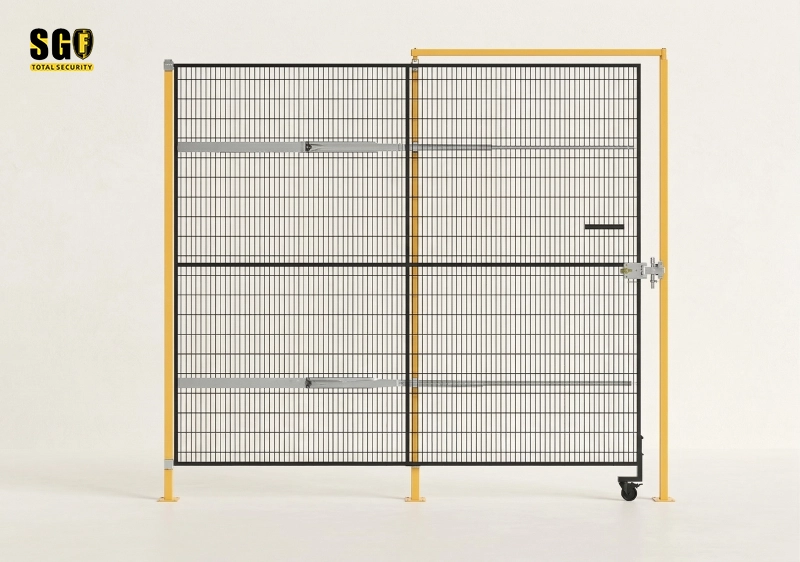
For sliding access points, the guided track structure helps maintain a controlled motion path instead of allowing twisting or diagonal loading. For hinged doors, the system uses a framed construction and support-wheel concept to limit long-term sagging. In both cases, the goal is the same: stable approach geometry for the safety device, fewer false machine stops, and more predictable service access over the life of the equipment.
This is especially valuable on robotic loading cells, compact test stations, and automated packaging equipment where door openings are frequent and fault recovery time directly affects output.
Rigid panel construction supports stable STO signal behavior
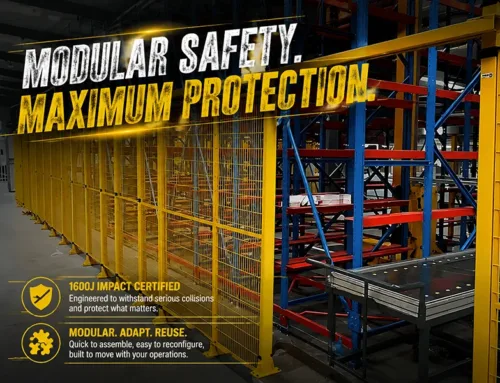
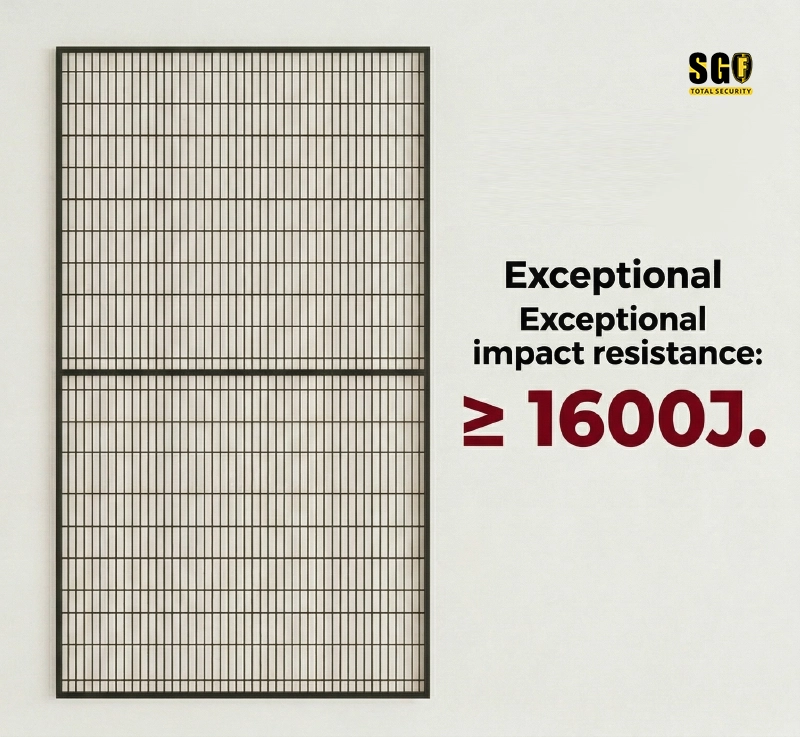
Electrical safety performance is often discussed in terms of controllers, relays, and wiring diagnostics, but door stability still begins with the fence structure. Mdfence uses framed mesh construction with a 20 x 30 x 1.5 mm steel tube border strategy and a high-strength welded panel concept intended to resist deformation under repeated industrial use. That matters because a stable frame helps the door and switch stay in the same relationship after thousands of cycles.
Impact strength also plays a role. In real factories, access points can be affected by trolley contact, material movement, and operator handling. A panel system with stronger impact resistance helps preserve alignment after minor incidents that would otherwise bend lighter guarding and slowly push interlocks out of tolerance.
For integrators, this means fewer callbacks. For end users, it means cleaner restarts, less troubleshooting, and a lower chance that a simple service door becomes the weak point in an otherwise well-designed safety circuit.
What this means for automation builders and plant operators
Best-fit scenarios for this Mdfence blog topic
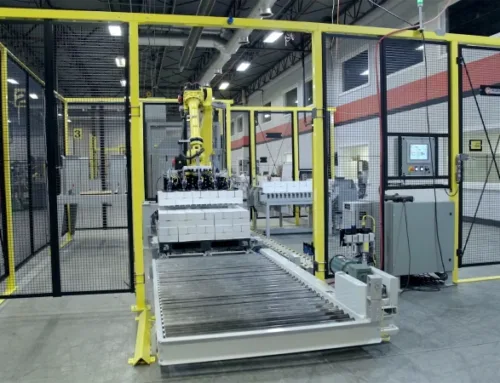
- Robotic palletizing cells where operators need repeatable guarded access for jam clearing and adjustment.
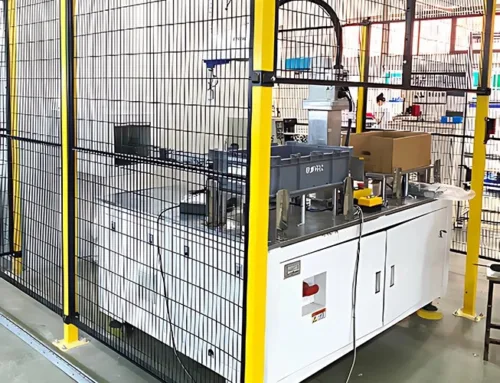
- Compact assembly and inspection stations where narrow footprints leave little tolerance for door misalignment.
- Packaging and conveyor systems with frequent maintenance entry points and high cost of unexpected stops.
- Automation projects that must integrate specified Omron or Pizzato interlocks without site fabrication risk.
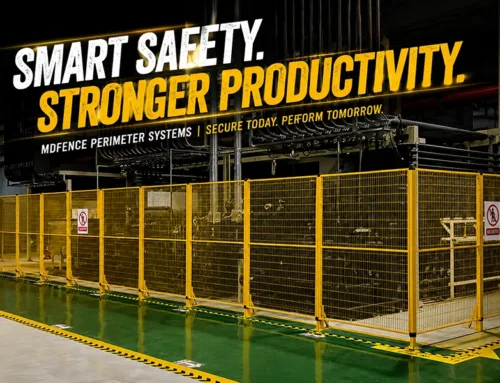
Featured image on this page highlights the integrated interlock-ready hinge-door concept, while the body images focus on anti-sag door geometry, guided sliding access, and durable framed panel construction.
When stable access control matters, start with the guarding structure
If your project requires interlock-ready machine guarding for robotic cells or automated equipment, Mdfence helps reduce the mechanical causes of false trips before they affect production. A stronger door structure, cleaner switch interface logic, and better alignment control can make the difference between frequent resets and dependable daily operation.