IT
IT  EN
EN  DE
DE  RU
RU  PT
PT  JA
JA  ES
ES 
We invest thousands in training a forklift operator. We teach them the mechanics of the machine, the physics of a balanced load, and the layout of the warehouse. But we often overlook the most critical component of their performance: their focused attention. And in a chaotic warehouse, we are stealing that focus from them, every minute of every day.
Chiedete a un operatore esperto di carrelli elevatori come John cosa comporta il suo lavoro. Non si limiterà a dire “guidare”. Parlerà dell'ascolto del sottile fruscio idraulico che segnala un carico pesante. Parlerà della sensazione di equilibrio della macchina su una leggera pendenza. Parlerà della mappa mentale tridimensionale che mantiene dell'intero impianto. È un lavoro di immensa abilità, precisione e concentrazione.
Ora chiedetegli qual è la sua più grande paura. Probabilmente non è far cadere un pallet o sbagliare una curva.
His biggest fear is the unexpected person. The flash of movement in his peripheral vision. The visitor staring at their phone, stepping off the painted yellow line and into his path.
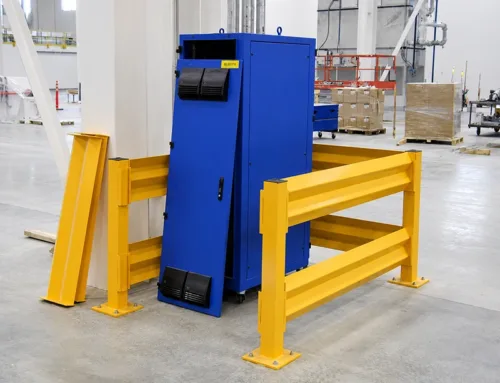
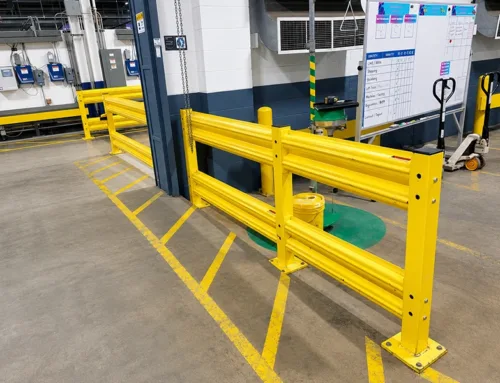
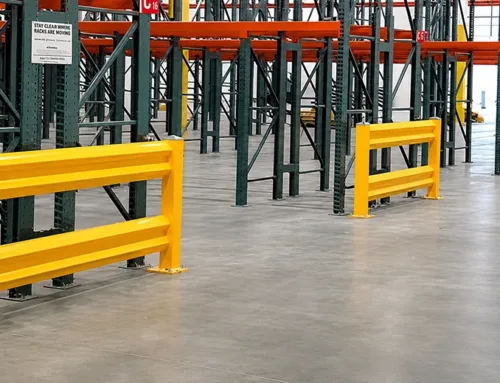
For leaders and managers, this reality holds a crucial insight: the greatest threat to a safe warehouse isn’t a machine malfunction; it’s the stress we place on employees by failing to control the environment. Implementing a robust partizione a rete system is a key step in managing this.
Il peso invisibile del carico cognitivo
In psicologia, il “carico cognitivo” si riferisce alla quantità di informazioni che la memoria di lavoro di una persona può gestire contemporaneamente. Quando chiediamo a un operatore di gestire contemporaneamente un carico di diverse tonnellate, di navigare in uno spazio ristretto e di controllare costantemente il traffico pedonale imprevedibile, stiamo sovraccaricando il suo sistema.
Non si tratta solo di una sensazione di stress, ma di una diminuzione misurabile delle prestazioni.
- Attenzione divisa: Ogni volta che il cervello di un operatore deve elaborare “Quella persona si muoverà?”, sottrae energia mentale a “Questo carico è stabile?”. Questa divisione dell'attenzione è un precursore diretto degli errori, sia nella sicurezza che nella gestione delle scorte.
- La sbornia da “quasi” incidente: A single close call—a sudden stop for a wandering visitor—can flood an operator’s system with adrenaline. Their heart rate spikes, their hands might shake. This physical stress response can linger for hours, affecting their precision and judgment for the rest of their shift.
- Il peso della responsabilità ingiusta: I dipendenti migliori sentono un profondo senso di responsabilità. Sanno che in caso di incidente, anche se la colpa è del visitatore, saranno loro ad avere il controllo. Hanno il peso morale e psicologico di proteggere persone che, grazie a un sistema difettoso, possono mettersi in pericolo. È un peso estenuante e profondamente ingiusto.
Come lo stress nascosto si ripercuote sulla vostra azienda
Come leader delle risorse umane o come direttore generale, sapete che una forza lavoro cronicamente stressata non è produttiva. L'impatto di questo “fardello invisibile” si manifesta nelle metriche più importanti che definiscono la vostra attività.
- Turnover dei dipendenti: Skilled warehouse operators are in high demand. If your warehouse has a reputation for being chaotic and stressful, you will lose your best people to competitors who offer a calmer environment. The cost to recruit and train a replacement is significant.
- Riduzione della produttività e della precisione: A distracted operator is a slower operator. They are more prone to errors, such as misplacing a pallet or damaging goods, which creates costly downstream problems.
- Una cultura aziendale corrotta: An environment where operators are constantly forced to dodge visitors sends a clear message: “We value immediate throughput more than your well-being.” This erodes trust and makes it impossible to build a true culture of safety.
The Solution: An Investment in Psychological Safety
Reframing the problem from a human-centric perspective changes the solution. A physical access control system, like a partizione a rete, is no longer just safety equipment. It is a tool for providing psychological safety and a tangible commitment to your team’s well-being. Think of what it communicates to an employee like John:
- È un “bozzolo di concentrazione”: By creating a hard boundary, you are telling your operator, “This space is yours. We have handled the external variables. We trust you to focus on your highly skilled craft without distraction.”
- Alleggerisce il peso della responsabilità: The system, not the individual operator, becomes the primary enforcer of safety rules. This frees the employee from the stressful role of being a part-time traffic cop.
- È un simbolo visibile di rispetto: A physical installation is a significant, visible investment. It is a non-verbal declaration that says, “We see the pressure you are under, and we are investing in a real solution to protect you.”
Il nuovo elemento di differenziazione in un mercato del lavoro ristretto
In today’s competitive labor market, companies can no longer afford to compete on salary alone. The best talent is retained by organizations that offer a superior work environment—one that is safe, respectful, and designed for focus.
Investing in a system like a partizione a rete that guarantees an operator’s peace of mind is one of the most powerful retention tools at your disposal. It is a strategic HR decision that pays dividends in morale, productivity, and your ability to brand yourself as an employer of choice.
Quindi, la prossima volta che camminerete sul pavimento del vostro magazzino, non vedrete solo macchine e scorte. Vedete i professionisti competenti e concentrati da cui dipendete. E chiedetevi: cosa ho fatto oggi per proteggere il loro bene più prezioso, non il loro giubbotto di sicurezza, ma la loro tranquillità?