IT
IT  EN
EN  DE
DE  RU
RU  PT
PT  JA
JA  ES
ES Protezione delle macchine
safety fence industria
safety fence industria is built for machine exports that cannot afford an EHS rejection at the final audit. When a line is shipped into Europe or North America, the fence package has to support ISO 14120 physical protection and ISO 13857 safety-distance planning from day one, while still giving the customer a guarding system that can survive real industrial impact.

What the export project must prove before shipment
| Articolo | Requisito |
|---|---|
| Physical guarding standard | ISO 14120-compatible machine fencing concept for industrial perimeter protection |
| Safety distance planning | Layout support for ISO 13857 clearances between hazard and access point |
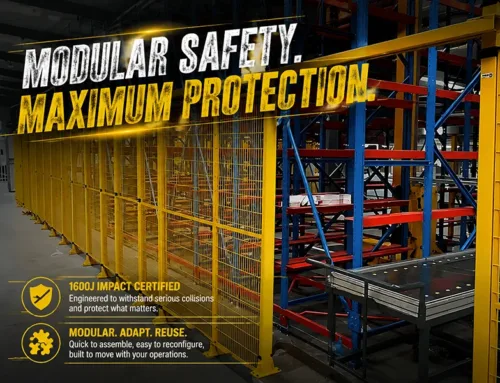
| Prestazione d'impatto | 1600 J resistance, equal to stopping a 100 kg object moving at 20 km/h |
| Risk outcome | Reduce rejection risk, avoid fines, and protect line uptime during EHS review |
Why the system fits this job
01. Compliance is designed in, not patched on
For exporters, the problem is rarely the machine itself. The problem is the guarding package arriving at the plant with vague dimensions, weak panels, or a layout that cannot be defended during an audit. safety fence industria is positioned as a forward-engineered risk-control system, so the project team can specify guarding as part of the compliance package instead of treating it as an afterthought.

02. Impact resistance protects the audit story
The 1600 J rating matters because it turns a vague safety claim into a hard engineering argument. In practical terms, the fence is specified to handle severe industrial impact, which gives procurement, safety teams, and integrators a stronger position when they need to justify the guarding layer before export release.

03. Distance, access, and enclosure geometry stay under control
ISO 13857 problems usually show up when access openings, fence offsets, or door zones are chosen too late. safety fence industria gives the project a guarding envelope that supports safer access planning around the machine footprint, helping the integrator avoid last-minute redesigns that delay shipment and create compliance gaps.

Where this approach is used
- OEM lines shipping to Europe or North America that must pass EHS review without rework.
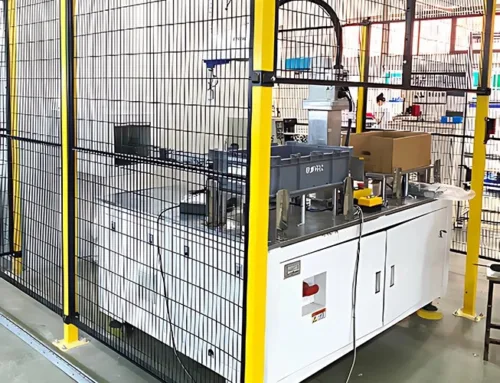
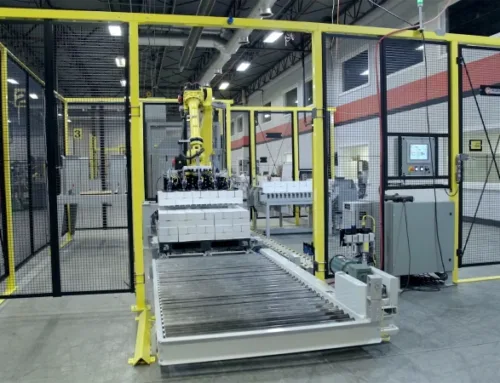
- Automation cells where the fencing layer must be part of the machine’s compliance file.
- Projects that need a strong physical barrier, not a light decorative enclosure.
- Installations where final acceptance depends on guarding dimensions and safety distance, not just panel appearance.
Specification check before the equipment leaves the factory
If the project is going into an export market, confirm the fence height, gate position, access opening, and surrounding clearance before packing. That is the fastest way to avoid a customs delay turning into an audit failure after the machine arrives. The right fence package should let the integrator defend the hazard zone with confidence, document the guarding layer clearly, and move the line toward acceptance with less friction.
Make the guarding layer export-ready
When a customer is buying machine fencing for an international project, they are not only buying steel panels. They are buying less audit risk, fewer stoppages, and a cleaner path to final sign-off. safety fence industria is the right starting point when the objective is simple: ship the line, pass the review, and keep production moving.