IT
IT  EN
EN  DE
DE  RU
RU  PT
PT  JA
JA  ES
ES Sistemi di protezione di sicurezza
Safety guarding systems for pallet nailing and cutting lines
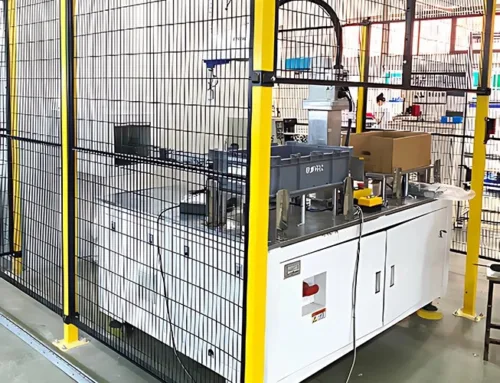
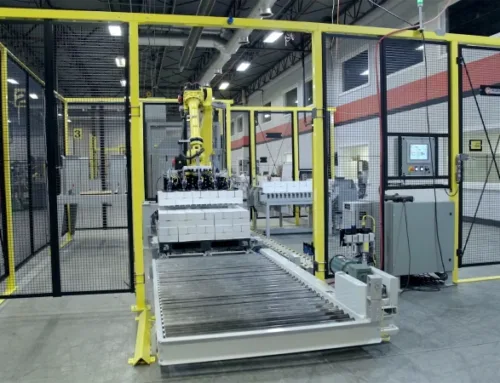
When wood-processing machines throw chips, splinters, and broken nails at speed, the issue is not only operator safety. It is also the hidden cost of oversized exclusion zones. Mdfence is built for safety guarding systems in this exact environment: narrow-slot mesh, verified finger-test compliance, and a layout that helps teams recover usable floor area without relaxing the protection line.
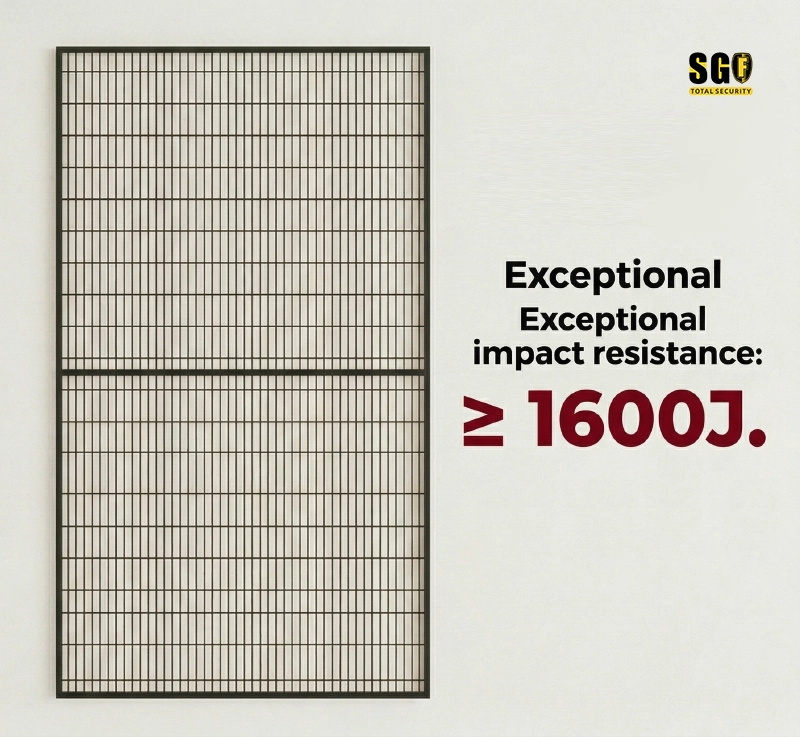
Why standard mesh wastes space in wood-processing guards
A pallet nailing station or cutting cell can send out sharp wood debris and snapped nails in every direction. If the barrier uses a common large-aperture panel, the fence has to move farther away from the machine to satisfy the required separation distance. The result is a wider dead zone, less room for staging and storage, and a floor plan that looks safe on paper but works poorly on site. Mdfence is made for safety guarding systems that need both impact interception and compact installation.
| Requisito di progetto | Risposta di Mdfence |
|---|---|
| Stop fast wood chips and broken nails | 20x100mm narrow-slot mesh helps block flying debris while keeping visibility and air flow. |
| Reduce wasted floor area | Finger-test compliant structure allows the legal safety distance to be shortened to 120mm. |
| Protect pallet processing equipment | Designed for nailing machines and cutting equipment where splash-back is part of the daily duty cycle. |
| Support safer, denser layouts | Compact guarding lets a Reston facility reclaim valuable production and storage space. |
Structural reasons Mdfence matches this job
Narrow-slot mesh that targets the real hazard
Wood chips are light, but they leave the machine at speed. Broken nails are worse because they combine mass, speed, and sharp edges. The 20x100mm mesh format is chosen for this exact mix of hazards. It is narrow enough to intercept splash-back, yet it does not force the plant into a completely opaque or oversized barrier wall. That is why it works as a practical choice for safety guarding systems around pallet processing lines.

Finger-test compliant geometry that supports a 120mm setback
The core advantage is not just that the mesh is tight. It is that the panel geometry has been tested so the danger zone can be positioned at a much shorter legal distance. That matters when the machine must sit close to the aisle, the inbound pallet line, or a downstream storage bay. By allowing the safety distance to be reduced to 120mm, Mdfence helps engineering teams build safer layouts without surrendering half the building to a security moat.

Space recovery that shows up in the plant plan
Once the fence line moves in, the plant gains more than a few extra steps. The reclaimed strip becomes staging space, maintenance access, or buffer storage. In dense factories, that recovered strip can be the difference between a cramped line and a controlled cell. For teams planning a retrofit in Reston or any other space-constrained North American site, this is where the value becomes obvious: better protection, smaller footprint, and less waste in the building envelope.

Dove questa soluzione si adatta meglio
- Pallet nailing machines with flying chip and nail exposure.
- Cutting stations where offcuts and fragments can cross the operator line.
- Retrofits where the old large-mesh fence consumes too much floor area.
- North American plants that need a compact guarding line and a compliant safety setback.
- Facilities that want safety guarding systems without turning the machine cell into wasted space.
Mdfence is most effective when the plant already knows the hazard is real, but the layout is too tight for a traditional “keep the fence far away” approach. In that case, narrow-slot mesh and tested setback control give the project a cleaner balance between protection and capacity.
What to verify before you specify the fence
Check the debris size, the machine throw pattern, the required safety distance, and the usable floor area you want to keep. Then match those facts against the panel opening, test result, and layout target. If the job is wood chip and broken-nail control near pallet machinery, the engineering case for Mdfence is straightforward: it solves the hazard without forcing a larger exclusion zone than the site can afford.
Build a tighter guarding layout without losing production space
If your machine cell is already crowded, the problem is probably not whether you need protection. The problem is whether the protection can fit the plant. Mdfence gives safety guarding systems a narrow-slot mesh and a 120mm legal setback path, so the guard line can stay close enough to protect the people and far enough from the machine to do the job properly.