IT
IT  EN
EN  DE
DE  RU
RU  PT
PT  JA
JA  ES
ES 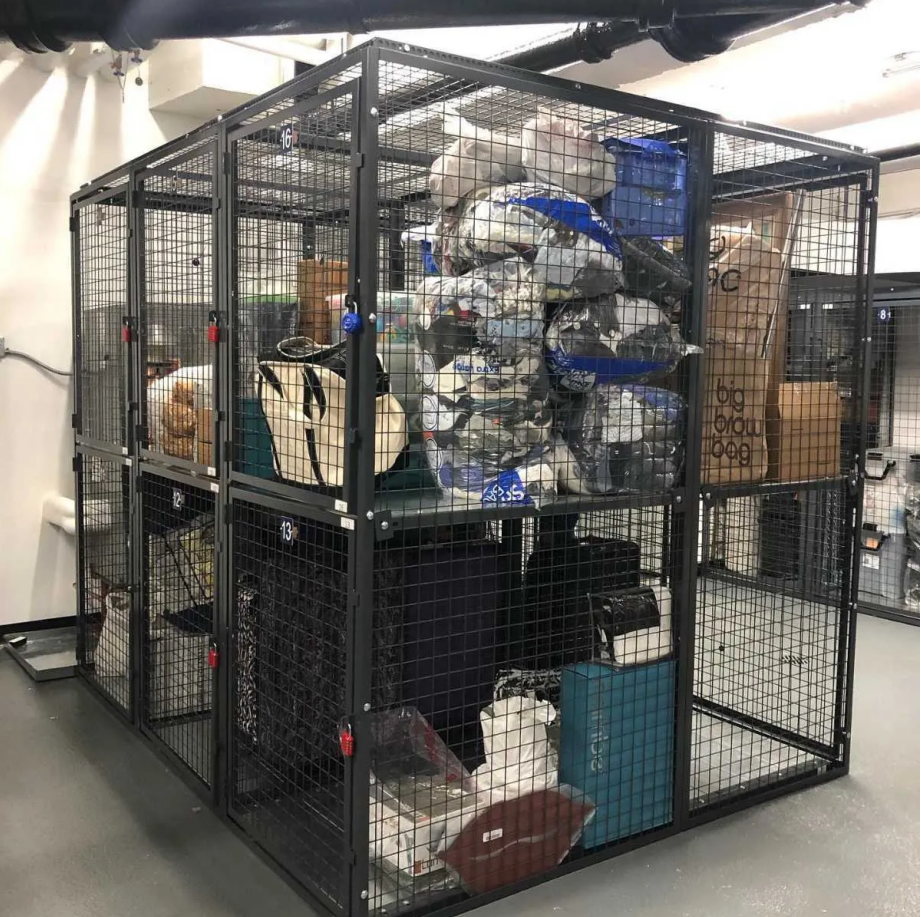
You’ve decided to add tenant storage. You’ve earmarked the space, you’ve secured the budget, and now you’re evaluating solutions. When it comes to security, the conversation often begins and ends with a single question: “Does it have a good lock?”
È un punto di partenza naturale, ma concentrarsi solo sulla serratura è come giudicare la sicurezza di un caveau di banca dalla marca della sua serratura. La vera sicurezza non è una singola caratteristica, ma una filosofia. È un sistema a strati in cui ogni componente lavora insieme per scoraggiare, individuare e difendere. In qualità di gestore di immobili, la comprensione di questi livelli è fondamentale, non solo per proteggere i beni degli inquilini, ma anche per tutelare la proprietà dalle responsabilità e migliorare la sua reputazione.
Andiamo oltre il blocco e analizziamo il significato di "vera sicurezza" nel contesto di un'area di archiviazione condivisa.
Livello 1: l'integrità dell'involucro stesso
Un sistema di sicurezza è forte quanto il suo anello più debole. Una serratura impenetrabile su una porta fragile è puro teatro della sicurezza. Il primo livello di difesa è l'integrità strutturale delle pareti e della porta dell'unità.
Molti manager inizialmente considerano la costruzione di camere standard in cartongesso. Sembrano solide e private. Tuttavia, dal punto di vista della sicurezza, un muro a secco è poco più di una barriera visiva. Con un semplice taglierino o una piccola sega a mano, un intruso determinato può tagliare una lastra di cartongesso in modo silenzioso e veloce, aggirando completamente la porta chiusa a chiave.
Lo stesso principio si applica alla porta e al suo telaio. Un punto di rottura comune è una porta pesante appesa con viti corte a un telaio di legno morbido. Un calcio ben piazzato o un semplice punteruolo possono spesso distruggere l'intero gruppo della porta in pochi secondi. La vera sicurezza richiede che la porta, la cerniera e il telaio siano un sistema integrato, spesso con componenti in acciaio che non possono essere facilmente scheggiati o scardinati.
Strato 2: la resistenza del materiale alla rottura
Once you have a solid enclosure, the next question is about the material itself. Can it be easily defeated?
When people hear “storage cage,” they often picture basic chain-link fencing. This is one of the most common security mistakes. A standard chain-link fence can be snipped open in under a minute with a $20 pair of bolt cutters from any hardware store. It offers minimal resistance.
A true security cage, like a robust scaffale in filo metallico per armadietto, is built from a different class of material: heavy-gauge steel wire, welded at every intersection to form a rigid, unyielding grid. This design is critical. The welding means that even if a wire is cut, the grid’s integrity remains intact—it cannot be unraveled like chain-link. The heavy-gauge steel is specifically engineered to resist common cutting tools. An intruder is no longer facing a simple snipping job; they are facing a difficult and noisy ordeal that requires specialized equipment. Most will simply move on to an easier target.
Strato 3: La fondazione invisibile - Ancoraggio strutturale
Si tratta di un dettaglio da esperti che spesso viene trascurato. Una volta sono stato consulente per una proprietà di Austin in cui era stata installata una serie di armadietti indipendenti di alto livello. Un intruso, non riuscendo a forzare le serrature, ha semplicemente lavorato con un complice per rovesciare l'intera unità di diverse tonnellate in avanti sulla faccia. La forza e l'impatto hanno fatto saltare diverse porte fuori dai loro telai.
The lesson is clear: a storage unit that isn’t physically attached to the building is just a heavy piece of furniture.
The final layer of physical security is anchoring the system directly to the concrete foundation of the building. This is typically done with heavy-duty expansion anchor bolts drilled into the floor. This step transforms the storage units from separate objects in the room to an integral part of the room. They cannot be tipped, moved, or leveraged. This foundational security is non-negotiable for any serious installation.
Livello 4: il deterrente definitivo - Sicurezza attraverso la visibilità
The first three layers are about resisting a physical attack. This fourth layer is about preventing the attack from ever being considered in the first place.
The urban planner Jane Jacobs famously wrote about the concept of “eyes on the street”—the idea that transparent, observable spaces are inherently safer because people’s natural surveillance deters negative behavior. This principle applies perfectly to your basement.
A solid-walled storage room is a “black box.” It offers perfect privacy for an intruder to work undetected. You have no idea what’s happening inside. It’s a hidden pocket of liability.
A wire mesh system, such as a scaffale in filo metallico per armadietto, turns this on its head. It leverages the power of visibility. A potential thief knows they can be seen from across the room, by a security camera, or by a tenant simply walking by to do their laundry. The risk of being observed becomes unacceptably high. Furthermore, this transparency allows you, the manager, to conduct a full security walkthrough of dozens of units in seconds, without a key and without ever infringing on a tenant’s space. You can instantly spot irregularities or potential problems.
This transparency doesn’t compromise security; it enhances it in the most intelligent way possible.
Ridefinire gli standard di sicurezza
When you next evaluate a storage solution, look beyond the lock. Ask the deeper questions. How does the system resist being breached? How is it anchored to the building? And most importantly, how does its very design create an environment of deterrence?
True security is not a single feature you can buy. It’s a thoughtful strategy you implement. By understanding these layers, you can provide a storage amenity that doesn’t just offer the perception of safety, but delivers it on every level.