
 JA
JA  EN
EN  DE
DE  RU
RU  PT
PT  ES
ES  IT
IT 
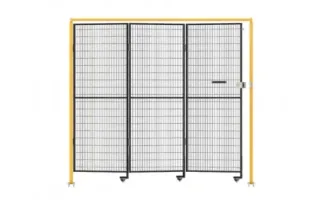
Compliance guide for robot safety fence standards.
Your reputation is built on flawless robotic cell integration. But a failed EHS audit on safety guarding can derail project sign-off and kill your margins. Stop wrestling with on-site fabrication and compliance guesswork. Deliver a system that's engineered to pass the first time. Talk With An Expert Compliance Guide for
Compliance guide for robot safety fence standards.
Your next robot cell deployment is on a tight schedule. The end-client specified Pizzato interlocks, the layout has multiple conveyor pass-throughs, and floor space is at a premium. Is your machine guarding solution an asset that accelerates commissioning, or a liability that causes delays and fails the final EHS audit?
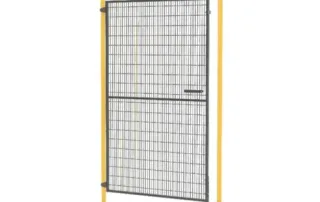
Safety fence for machinery in narrow aisles.
Your client's floor space is shrinking, but the safety standards aren't. Squeezing a new robot cell into an existing line means every inch counts. A bulky guard can make a workable layout impossible, jeopardizing project approval and creating forklift nightmares. The standard solutions that force wide safety distances are no
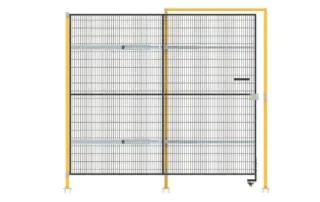
Safety fence for machinery in narrow aisles.
Your new robot cell is ready, but the safety fence just stole your forklift aisle. Now you're facing a choice: compromise production flow or fail the safety audit. There is a third option that reclaims your valuable floor space without compromising on safety. Talk With An Expert The High
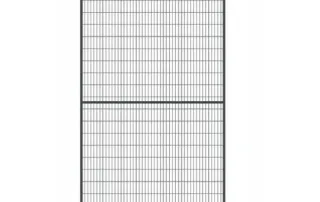
Safety fence for machinery in narrow aisles.
Your new automated cell is installed, but now your main aisle is a bottleneck. Forklifts can't pass, AGVs get stuck, and your EHS manager is worried about compliance. The problem isn't your layout; it's the bulky safety cage that's eating up your valuable floor space and creating a new hazard.
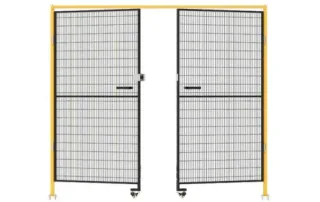
Bolt-on assembly for machine guarding safety fence.
Your project deadline is non-negotiable, but on-site welding for safety guarding is a bottleneck of hot work permits, rework, and EHS compliance headaches. There's a faster, cleaner, pre-engineered way to secure your automation cells and pass the final audit on the first attempt. Talk With An Expert For automation
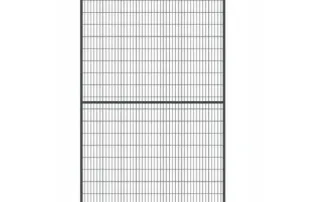
Bolt-on assembly for machine guarding safety fence.
Your robot integration project is on a tight deadline. The last thing you need is a week of on-site welding, grinding, and repainting just for the safety guarding. Stop burning hours and budget with outdated fabrication methods that create more problems than they solve. Talk With An Expert From
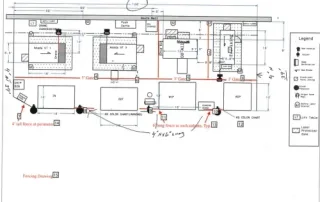
Machine guard fencing visibility for operators.
Is your machine guarding creating blind spots? When operators have to strain to see through glare or "visual noise" from chain-link or silver-colored mesh, your cycle times suffer and your risk of unnoticed errors increases. A physical barrier shouldn't be a visual one. You need a system designed for
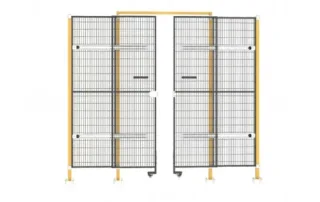
How to ground Industrial Safety Fence for ESD safety.
In your electronics assembly line, you’ve guarded the new robot arm to prevent a crushing injury. But have you created an invisible threat? An ungrounded fence can become a giant capacitor, storing enough static to destroy a batch of sensitive microchips with a single touch. The cost of physical safety
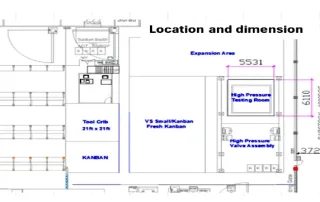
Robot Safety Fencing Systems for welding cells.
Your new robotic welding cell is a productivity powerhouse, but the makeshift guarding around it is an EHS nightmare. Weld spatter is already pitting the surface, maintenance requires a hot work permit to cut and re-weld the cage, and you know it wouldn't pass a serious safety audit. The risk

