
 JA
JA  EN
EN  DE
DE  RU
RU  PT
PT  ES
ES  IT
IT 
How do you calculate the safety distance for a robot fence?
In high-speed automotive assembly and robotic integration, every square inch of floor space directly impacts your plant's throughput. Miscalculating the safety distance for your six-axis robotic work cells doesn't just risk OSHA compliance—it forces you to push your perimeter outward, eating up critical AGV (Automated Guided Vehicle) pathways and limiting
What are the OSHA requirements for machine guarding fences?
Struggling to get your new turnkey robotic welding cell past the plant's EHS audit? You are not alone. Navigating OSHA 1910.212 requirements for machine guarding often leaves automation system integrators trapped between rigid compliance and the need for high-speed material flow. Let's break down exactly what OSHA demands for your
How to ensure visibility of the machine after installation?
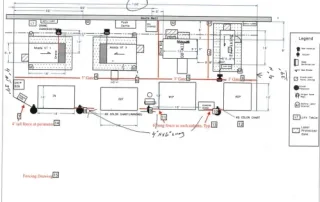
How to ensure visibility of the machine after installation? In high-speed automotive assembly and robotic welding cells, a blind spot isn't just an inconvenience—it's a direct threat to your OEE (Overall Equipment Effectiveness). When operators cannot clearly monitor CNC tool changes or robotic kinematics through thick perimeter guards, minor misalignments
狭いスペースでも、特注の形やサイズを作ることはできますか?
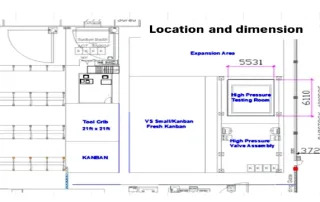
Integrating a 6-axis robot or a new CNC machining center into an already crowded automotive assembly line is a spatial nightmare. When AGV paths and existing conveyors leave you with zero breathing room, standard off-the-shelf guarding won't cut it. You need a physical barrier that shrinks the ISO 13857 safety
安全性を損なわずに材料の通過を可能にするには?
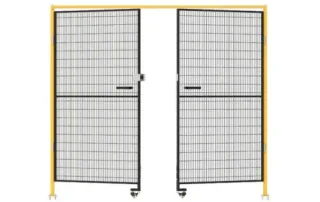
In high-speed automotive assembly and robotic welding cells, material flow is your lifeline. But every time an engine block, stamped chassis, or AGV passes through your perimeter, you create a potential safety breach. Traditional fencing forces system integrators to choose between OSHA-compliant guarding and cycle-time efficiency. You don't have to
フォークリフトでパネルを破損した場合、一部分だけを交換することはできますか?
When a heavy-duty forklift or a rogue AGV crashes into the perimeter of your robotic welding station, every minute of downtime bleeds capital. Traditional welded barriers require hot work permits, grinding, and hours of lost production just to fix a bent frame. With our modular architecture, you don't need to
生産ラインのレイアウトが変更された場合、フェンスはモジュール化/再利用可能ですか?
In automotive manufacturing and robotics integration, production line layouts are never permanent. When a new robotic welding cell is introduced or a CNC machining center is relocated, traditional welded barriers become expensive scrap metal. You need a Machine Guarding System that adapts as fast as your turnkey solutions. Stop relying
作業場の床が凸凹していても、設置は可能ですか?
Dealing with an aging facility where the concrete slab is anything but perfectly flat? In automotive automation and robotic integration, an uneven floor usually means delayed deployments, on-site cutting, and misaligned safety interlocks that constantly trip your robots. You don't need to repour the concrete or resort to dangerous hot
フェンス・システムに接地/アース要件はありますか?
In automotive welding stations and high-speed robotic assembly lines, electrical faults, static buildup, and stray welding currents are constant threats. When you integrate sensitive PLC controls and safety interlocks into a steel perimeter, treating your physical barrier as "just dumb metal" is a critical integration failure. Unmanaged electrical potential on
Which panel type to choose for welding areas: welding shield vs. mesh?
Designing a robotic welding cell isn't just about stopping a runaway forklift; it's about containing 3,000°F weld spatter and blinding arc flash. For automation integrators, choosing between standard wire mesh and solid welding shields dictates not only OSHA compliance but also the cycle time and maintenance overhead of your automated

