
 JA
JA  EN
EN  DE
DE  RU
RU  PT
PT  ES
ES  IT
IT 
安全フェンスの設計に貴重な時間を費やしていませんか?
You sell "Turnkey Solutions," not parts. But when your high-value electrical engineers are stuck drafting mechanical barriers or calculating bolt quantities, your project margins erode. Mdfence acts as your silent engineering partner, taking your raw facility concepts and delivering fully engineered, TUV-compliant safety perimeters ready for integration. Talk With
安全工学をアウトソーシングしてターンキーオートメーション事業を拡大するには?
As a System Integrator, your core value lies in robotics programming and process logic, not in counting bolts for a fence. Yet, "Build to Print" projects often drain your engineering resources with non-core mechanical drafting. Mdfence transforms from a supplier to a design partner, converting your floor layouts into
産業用安全フェンスはターンキー・オートメーション・プロジェクトのボトルネックか戦略的資産か?
You deliver high-speed automated production lines and complex robotics integration, not just "machines." Yet, the final sign-off often stalls at the physical barrier. Stop letting on-site modifications and compliance headaches eat into your engineering margins. Discover the TUV-certified, modular safety system designed specifically to bridge the gap between mechanical
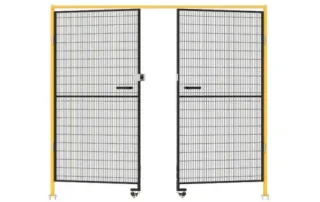
ロボットセルのアクセスゲートが生産のボトルネックになっていませんか?
In the high-speed world of industrial robots and automated production lines, the efficiency of the entire cell often hinges—literally—on the access door. It is the most frequently manipulated component of your safety system. A jamming gate, a sagging frame, or a misaligned safety switch can halt a million-dollar line
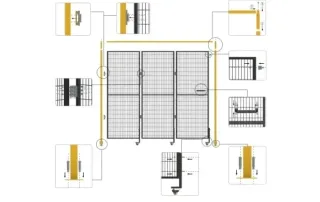
産業用安全フェンスがマテリアルハンドリングの流れを妨げていませんか?
In a modern automated production line, the perimeter is not just a wall; it is a membrane. Raw materials must enter, and finished goods must leave. For System Integrators designing complex material handling areas, the conflict is real: you need rigorous safety to comply with regulations, but you also
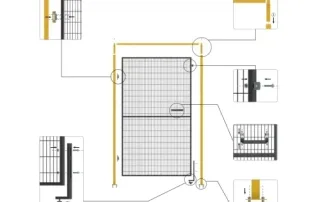
オートメーションのグローバル展開細分化された安全規格に振り回されるな
Your turnkey solutions are world-class. You design in Germany, assemble in China, and deploy in the USA. But does your perimeter guarding maintain that same consistency? For global system integrator networks, relying on local, fragmented suppliers for each region creates a chaotic mix of quality standards. A fence in
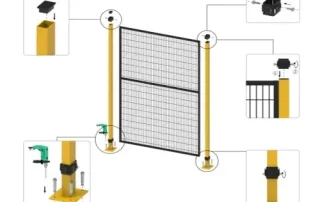
手作業による安全統合がプロジェクトのマージンを圧迫していませんか?
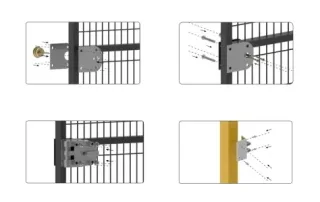
In the execution of a turnkey solution, your most expensive resource is engineering time. Every hour a senior controls engineer spends figuring out how to mount a safety switch to a steel post is an hour lost on programming industrial robots or optimizing PLC logic. This "mechanical-electrical gap" is
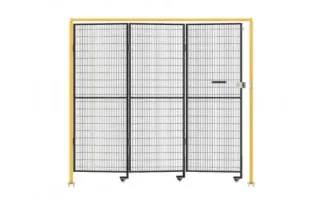
セーフティ・ゲートの設計は、貴重な工場床面積を無駄にしていませんか?
In the design of a compact automated production line, every square meter represents potential revenue. Yet, standard industrial safety fencing solutions often force you to sacrifice wide aisles to accommodate the swing radius of traditional hinged doors. When a maintenance technician needs access to a robot work cell, a
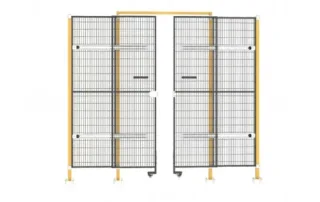
低価格」フェンスが顧客にとって最も高価なメンテナンスの頭痛の種になる理由
You have delivered a state-of-the-art automated production line. The industrial robots are precise, the cycle times are optimized. But six months later, your client calls to complain. Not about the robotics, but about the perimeter. The paint is chipping, the posts are bent from a minor forklift nudge, and
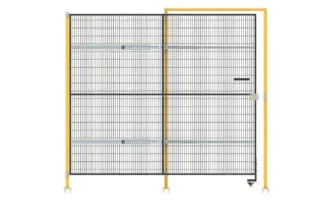
産業用安全フェンスがオートメーションの試運転スピードを低下させていませんか?
The clock is ticking on your turnkey solution delivery. The industrial robots are programmed, the conveyors are running, but the Site Acceptance Test (SAT) is on hold. Why? Because the perimeter guarding crew is stuck cutting and welding ill-fitting panels. In the fast-paced world of robotics integration, the "Last

