JA
JA  EN
EN  DE
DE  RU
RU  PT
PT  ES
ES  IT
IT 
What is chain mesh? How do I choose a chain link fence for my factory safety net?
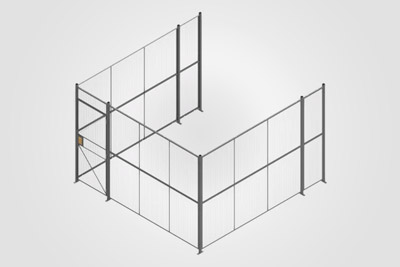
Chain mesh, also known as chain link or wire mesh, is a popular material for factory safety nets due to its strength, durability, and visibility. The interlocking wire mesh provides a strong and flexible barrier that can be used to protect workers, equipment, and materials from falls, flying debris, or other hazards.
Choosing the Right Chain Mesh for Factory Safety Nets
Chain mesh is a robust and reliable material commonly used for factory safety nets. However, selecting the appropriate chain mesh requires careful consideration of several factors to ensure optimal safety and performance. This guide outlines the key aspects to consider when choosing chain mesh for your factory’s safety net system.
Factors to Consider When Selecting Chain Mesh
Mesh Size: Balancing Safety and Visibility: The mesh size, referring to the opening between the interwoven wires, is crucial. Smaller openings prevent objects and debris from falling through, enhancing safety, but can restrict visibility and airflow. Larger openings improve visibility and ventilation but may compromise the net’s ability to contain smaller items. Choosing the correct mesh size requires balancing safety needs with visibility and ventilation requirements.
Wire Gauge: Determining Strength and Durability: Wire gauge refers to the thickness of the wire used in the chain mesh. A higher gauge number indicates a thinner wire, while a lower gauge signifies a thicker, more robust wire. Thicker wires (lower gauge) provide greater strength and durability but are typically more expensive. Select a wire gauge that provides adequate strength for the intended load and environmental conditions.
Coating: Protecting Against Corrosion and Weathering: Chain mesh coatings protect against corrosion and weathering, extending the lifespan of the safety net. Common coatings include:
Galvanized Steel: Provides excellent corrosion resistance in most environments.
PVC (Polyvinyl Chloride): Offers added protection against abrasion and weathering, suitable for harsh environments.
Polyester: Provides a durable and weather-resistant coating.
Attachment Points: Ensuring Secure Installation: Proper attachment of the chain mesh to the supporting structure is vital for overall safety. Use appropriate hardware, such as strong clips, carabiners, or other specialized fasteners, designed for the specific chain mesh and structure. Ensure the attachment points are strong enough to withstand the anticipated loads and stresses.
Maintenance: Preserving Performance and Longevity: Regular inspections and maintenance are essential for ensuring the continued effectiveness of the safety net. Inspect the chain mesh for signs of wear, damage, or corrosion. Replace any damaged sections promptly. A well-maintained safety net provides reliable protection and extends its lifespan.
Chain Mesh vs. Other Safety Net Materials
Compare chain mesh with alternative safety net materials, such as nylon or polypropylene netting, highlighting the strengths and weaknesses of each.
Case Study: Enhancing Safety in a Warehouse
A warehouse improved worker safety by installing chain mesh safety nets beneath elevated walkways. They selected a mesh size that prevented small items from falling while maintaining adequate visibility. The galvanized coating provided long-term corrosion resistance in the warehouse environment.
よくある質問
Q: What is the recommended mesh size for catching small hand tools? A: A smaller mesh size, typically 1 inch or less, is recommended for containing small tools and debris.
Q: How do I determine the appropriate wire gauge for my safety net? A: Consider the weight and type of materials the net needs to support, as well as environmental factors, when selecting the wire gauge. Consult with a safety expert for specific recommendations.
Q: How often should I inspect my chain mesh safety net? A: Regular inspections, at least annually, are recommended. More frequent inspections may be necessary in harsh environments or high-traffic areas.
Choosing the correct chain mesh is critical for creating a reliable and effective safety net system. By considering these factors and consulting with safety professionals, you can ensure the optimal protection of your personnel and equipment. Contact us to discuss your specific needs and explore the best chain mesh options for your factory.
Interlock Switch Mounting Without Drilling: Why Alfence T-Slot Posts End Phantom Stops
Bolting an interlock switch bracket through a powder-coated steel post drills the coating, drops swarf into the cell and leaves a rust line — and when the hinged leaf sags, the tongue misaligns and the PLC reports a phantom guard fault. Alfence mounts sensors, e-stops and conduit in the T-slot groove of a 40×40 mm or 45×45 mm aluminum post, with door hardware sized to keep the safety switch aligned.
Phantom Safe Torque Off Stops: T-Slot Guarding Fence Posts Mount Interlocks Without Drilling
Painted steel guarding posts force maintenance to drill for interlock switches, dropping swarf in the cell and breaking the coating where rust starts. Sagging hinge doors then misalign the interlock tongue and the PLC trips Safe Torque Off while the gate is closed. Alfence industrial safety fence mounts sensors, e-stops and cable routing into the T-slot aluminum profile post without drilling, and uses hinged, folding or sliding door frames that keep interlock geometry stable - protecting OEE through phantom stops and line changes.
Automotive Plant Industrial Safety Fence: Keep the Robot Cell Close to the Hazard
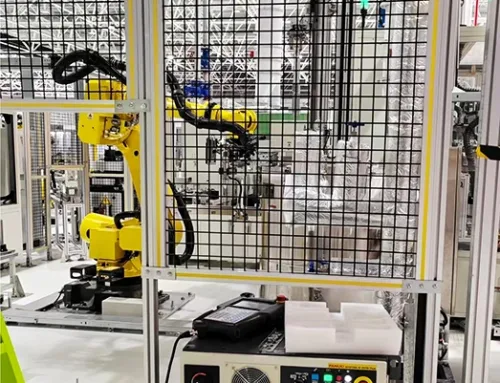
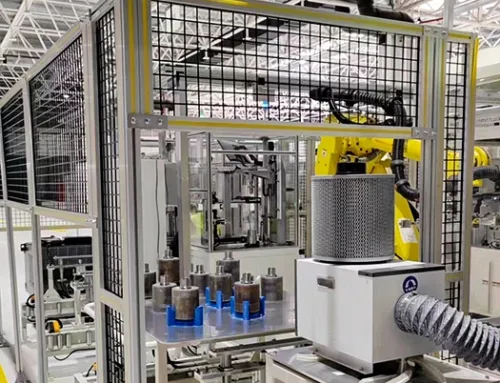
Automotive plants cannot afford to lose production floor to an oversized machine guarding perimeter. Alfence combines 20×100 mm mesh with slim 40×40 mm or 45×45 mm aluminum posts for a compact, reconfigurable industrial safety fence layout, with final clearance confirmed by the project risk assessment.