JA
JA  EN
EN  DE
DE  RU
RU  PT
PT  ES
ES  IT
IT 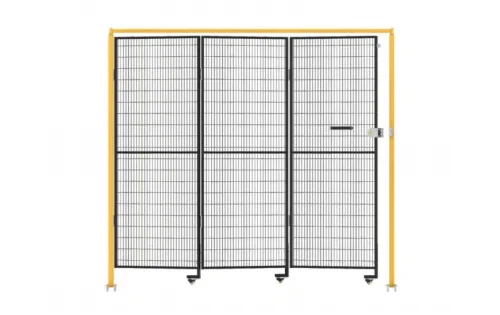

When integrating high-speed mechanical assembly machines or robotic work cells into an existing automotive plant, standard square grids fail. You are dealing with tight AGV paths, overhanging conveyors, and CNC machining centers that demand zero clearance. Custom-welding a barrier on-site means hot work permits, production downtime, and scrapped metal when the line inevitably changes. You need a modular perimeter that adapts to your exact automation footprint without sacrificing ISO compliance or structural integrity.
The Integrator’s Dilemma: Fitting Turnkey Solutions into Legacy Plants
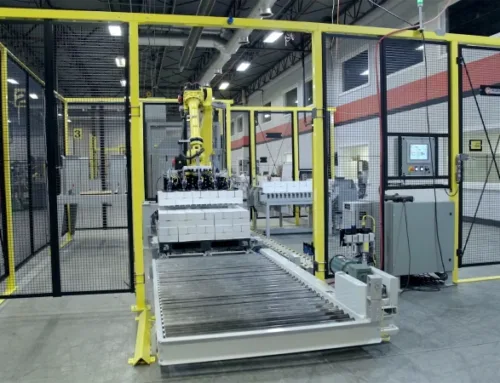
The Pain (Before): As a system integrator deploying an automated production line, your biggest headache isn’t the robotics—it’s the facility layout. Legacy automotive plants have columns, uneven floors, and pre-existing machinery. Trying to force a rigid, off-the-shelf 工業用安全フェンス system around a 45-degree conveyor turn or a customized automotive welding station usually results in massive gaps. The traditional fallback is hiring local fabricators to cut and weld steel on the shop floor. This triggers hazardous hot work permits, introduces weld spatter near sensitive electro-optical elements, and halts adjacent production lines.

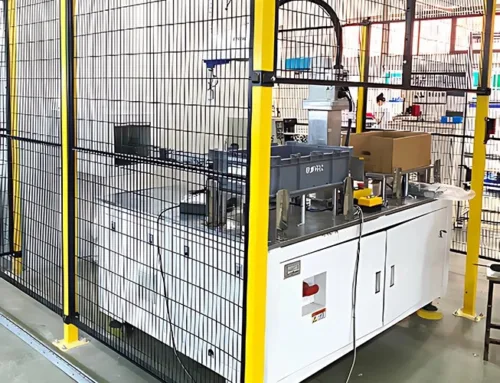
The Logic (Why it works): The Mdfence system is engineered for “cold assembly.” It utilizes a fully modular architecture based on adjustable Q235 carbon steel posts and variable-width framed panels. Instead of welding, the system uses high-strength fixing rings and M8 flange bolts. For irregular layouts, such as 45-degree corners or tunneling over material handling conveyors, the standardized components can be angled and configured directly from your CAD drawings without a single spark being struck.
The Benefit (After): You deliver your turnkey solutions faster. A complex, multi-angled robotic cell that would take days to weld can be assembled by two technicians with wrenches in a matter of hours. Furthermore, when the automotive plant shifts its dedicated manufacturing lines for a new car model next year, 100% of the fencing assets can be unbolted and reconfigured, dropping your client’s future modification costs to near zero.
Reclaiming Floor Space: The 4.7-Inch Clear Distance Rule
The Pain (Before): Floor space in a CNC machining center or an automated warehouse is premium real estate. Cheap, generic wire mesh often features large 2″x2″ (50x50mm) openings. According to ISO 13857 safety distance calculations, a mesh this large allows a worker’s arm to reach through, forcing you to install the ロボット安全フェンスシステム up to 33.5 inches (850mm) away from the hazard. This massive buffer zone chokes off your AGV paths and makes the overall footprint of your automated cell unacceptably large.

The Logic (Why it works): Our framed panels utilize a specific 0.78″ x 3.93″ (20x100mm) anti-climb, finger-safe mesh. The 3.0mm or 4.0mm steel wire is flat-welded to a robust 20x30mm seamless steel tube frame. This narrow aperture physically restricts penetration to just the fingertips.
The Benefit (After): By utilizing this specific mesh geometry, you can legally and safely shrink the safety distance down to just 4.7 inches (120mm) from the moving parts of the robot or CNC spindle. For a 150-foot perimeter line, this reclaims hundreds of square feet of usable factory floor, allowing you to widen material handling lanes or squeeze an additional assembly station into the same building.
Navigating Tight Clearances with Advanced Door Systems
The Pain (Before): Irregular layouts often mean you don’t have the swing radius for a standard hinged door. When forklifts need to access a tooling room or deliver heavy mechanical assemblies into a robotic cell, a narrow door won’t work. But installing a massive single-swing door in a cramped aisle will block AGV traffic and eventually sag under its own weight, causing safety interlocks to misalign and trigger phantom machine stops.

The Logic (Why it works): Mdfence provides modular door systems specifically designed for restricted spaces. For ultra-wide access with zero swing radius, our Folding Door systems (capable of spanning up to 15.7 feet / 4800mm) collapse neatly to the side. The doors are stabilized by a heavy-duty upper door frame beam and operate on smooth caster wheels or bearing rails, ensuring the Q235 steel frame remains perfectly parallel.
The Benefit (After): You guarantee unobstructed access for heavy material handling without eating into aisle space. Because the structural integrity is maintained by the overhead beams and framed panels, the doors won’t sag over time. This means your safety switches remain perfectly aligned, maintaining your production line’s Overall Equipment Effectiveness (OEE).
Seamless Safety Interlock Integration for PLC Circuits
The Pain (Before): A physical barrier is useless to an automation integrator if it can’t talk to the Siemens or Rockwell PLC. Standard fencing requires your technicians to manually drill, tap, and fabricate mounting brackets on-site to attach Omron or Pizzato safety interlocks. This ruins the powder coating (inviting rust) and wastes hours of expensive engineering time just to mount a switch.
The Logic (Why it works): We treat 機械警備システム as active components of your control equipment. The system features pre-engineered “lock carriers” (e.g., KKCK-LCK-B-D4NL-SET). These are standardized mounting plates with pre-drilled, perfectly aligned holes that natively accept industry-standard electronic safety switches.
The Benefit (After): You transform a passive steel cage into an active safety node instantly. Your electrical technicians can simply bolt the interlocks directly onto the fence in minutes. The rigid 60x60mm posts ensure the actuator key never misses the switch body, guaranteeing that when the door opens, the robotic arm’s servo drives drop power immediately, ensuring flawless compliance during the final EHS audit.
Frequently Asked Questions for Automation Integrators
1. Can the fencing accommodate conveyors passing through the robotic cell?
Yes. We can design custom tunnel guards using our framed panels that fit precisely around your conveyor systems. The openings are calculated strictly according to ISO 13857 to ensure materials can pass through while preventing operators from reaching the hazardous zones.
2. How does the system handle an impact from a runaway AGV or a dropped automotive part?
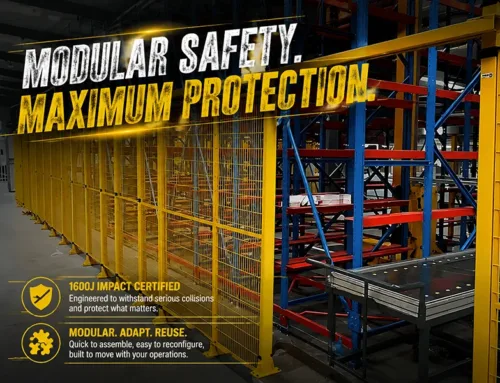
The system is TUV-certified to withstand impacts of at least 1600 Joules. Because it uses ductile Q235 carbon steel anchored by M10 expansion bolts, the posts and framed panels will absorb the kinetic energy through plastic deformation (bending) rather than snapping and creating dangerous shrapnel.
3. We have a highly irregular layout with multiple 30 and 45-degree angles. Do we need custom parts?
No custom fabrication is required. Our standard fixing rings can be rotated around the 60x60mm square posts, allowing you to connect panels at virtually any angle to perfectly trace the irregular footprint of your CNC machines or assembly lines.
4. Does the powder coating withstand cutting fluids and machine oils in a CNC environment?
Yes. The electrostatic powder coating (standard RAL 1023 Yellow for posts and RAL 9005 Black for mesh) passes ISO 9227 salt spray tests. It provides excellent corrosion resistance against industrial solvents, cutting fluids, and lubricants commonly found in metalworking facilities.
5. How quickly can this system be installed compared to traditional welded barriers?
Because it is a 100% cold assembly process requiring only basic hand tools (wrenches and hammer drills for the floor anchors), installation is up to 70% faster than on-site welding. Two technicians can typically install up to 150 feet of straight perimeter in a single day, drastically reducing your project’s turnkey deployment time.