JA
JA  EN
EN  DE
DE  RU
RU  PT
PT  ES
ES  IT
IT 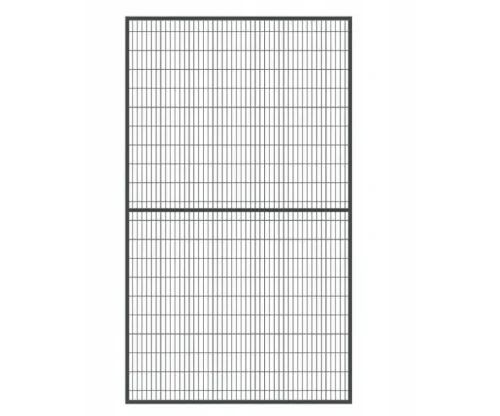

|
In the world of automated assembly and robotics integration, a static floor plan is a dead floor plan. When your cycle times change or a new vehicle model enters the line, you cannot afford to spend days cutting and re-welding perimeter guards. You need a safety infrastructure that adapts as fast as your programming logic. |
The Reality of the “Living” Factory Floor
For system integrators and plant managers in the automotive and high-precision manufacturing sectors, the era of the “set it and forget it” production line is over. Modern manufacturing cells are dynamic. Today, you might be running a spot-welding robot; in six months, that same footprint might need to accommodate an automated guided vehicle (AGV) path or a material handling buffer zone.
The challenge isn’t just safety compliance; it’s agility. Traditional, custom-fabricated fencing becomes a bottleneck during retrofits. If you have to bring in hot-work permits to modify a guard, you are losing valuable production uptime. This is where modular 機械安全フェンス becomes a strategic asset rather than just a commodity.

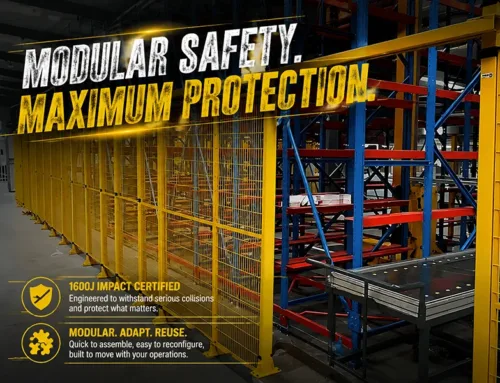
Figure 1: Complex, multi-zone layouts require modular systems that can handle corners, variable widths, and multiple access points without custom fabrication.
Modular Engineering: Beyond the “Erector Set”
True flexibility in 産業用周辺警備 does not mean sacrificing structural integrity. A common misconception in heavy industry is that “modular” implies “flimsy.” This is false when the system is engineered correctly using high-grade materials.
Our system utilizes Q235炭素鋼 for both the 60x60mm posts and the framed panels. Unlike open-mesh designs that can deform under impact, our 額装パネル construction (20x30mm tube frames) ensures that the guard maintains its shape and safety distance even if subjected to the accidental impact of a forklift or a stray part from a robotic cell. This rigidity is crucial for maintaining the ISO 13857 safety distances required between the hazard zone and the operator.
Adapting to Layout Constraints
In a tight retrofit scenario, you rarely have the luxury of a perfect square grid. You might need to navigate around existing building columns, cable trays, or conveyor feeds. The Mdfence system allows for:
- Variable Panel Widths: Standard panels can be swapped or modified to fit odd-sized gaps.
- Adjustable Height Configurations: From standard 2000mm heights for general guarding to 2440mm for high-risk robotic cells where containment of flying debris is a concern.
- Fastener-Based Assembly: No welding required. This means zero fire watch time and the ability to disassemble and reconfigure a cell in hours, not days.

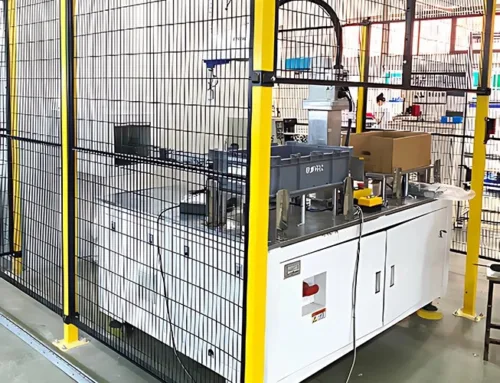
Figure 2: The rapid assembly process uses standardized fixing rings and bolts, eliminating the need for on-site welding and allowing for quick layout adjustments.
Solving the Access Control Matrix
A static fence is easy; a functional entry point is where the engineering challenges arise. In a dynamic floor plan, the flow of materials and personnel is critical. A maintenance engineer needs a standard swing door for lock-out/tag-out (LOTO) procedures, while a forklift driver feeding a palletizer needs a wide, unobstructed opening.
We provide a comprehensive suite of door systems designed to integrate seamlessly into the ロボット安全フェンス line without compromising the grid:
- Hinged Doors: For standard personnel access.
- Sliding Doors (Top Track or Bottom Roller): Essential for areas with limited swing radius or where AGVs need to pass through.
- Folding Doors: The ultimate space-saver for wide openings in cramped manufacturing cells.

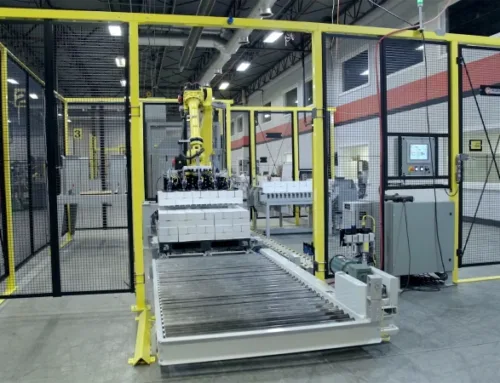
Figure 3: Folding door systems maximize opening width while minimizing the footprint required for the door swing, ideal for compact robot cells.
Integration with Safety Logic (PLC & Interlocks)
In modern automation, the physical barrier is only half the equation. The fence must communicate with the machine’s safety controller. A major pain point for system integrators is the mechanical mounting of third-party safety switches (like Omron, Keyence, or Pizzato) onto generic fencing.
We treat our fencing as an active component of the 自動生産ライン. Our system offers pre-engineered セーフティ・インターロック・キャリア and mounting kits. This eliminates the need for your technicians to drill and tap holes on-site, potentially compromising the powder coating or the structural integrity of the post. Whether you are using a simple tongue interlock or a complex RFID-coded safety switch, the integration is plug-and-play.

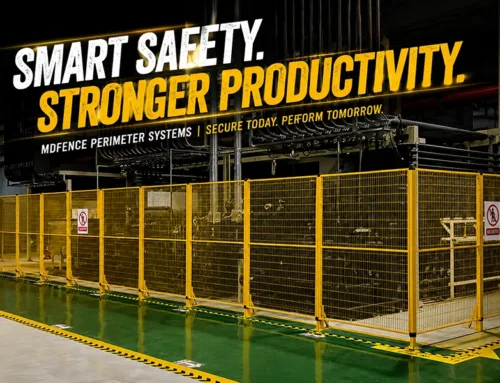
Figure 4: Integration ready: Our systems include specialized mounting brackets for safety switches and mechanical locks, streamlining the commissioning phase.
Conclusion: Future-Proofing Your Footprint
Investing in a flexible 機械警備システム is investing in the future adaptability of your plant. By choosing a modular, high-strength solution, you ensure that when the next product launch demands a floor plan shuffle, your safety infrastructure is an enabler of change, not a barrier to it.
よくある質問
Q1: Can Mdfence systems be integrated with safety light curtains?
Yes. While our core product is physical 工業用安全フェンス, the 60x60mm posts provide a stable mounting surface for light curtain emitter/receiver columns, allowing for hybrid safety zones (physical barriers for sides, light curtains for loading areas).
Q2: How do you handle uneven floors in older automotive plants?
Our posts are anchored using heavy-duty expansion bolts. For uneven surfaces, we can utilize leveling shims or adjustable base plates to ensure the panels remain level and the door gaps remain consistent with ISO standards.
Q3: Is the system compatible with robotic welding environments?
Absolutely. For welding cells, we recommend swapping standard wire mesh for our sheet metal or polycarbonate (PC) panels in the lower sections to contain sparks and weld spatter, protecting nearby personnel and equipment.
Q4: What is the impact resistance of the framing system?
Our system is TUV certified for high impact resistance. The combination of Q235 steel and the full-frame construction allows it to withstand significant force, suitable for containing robotic arms or stopping ejected parts, meeting ISO 14120 requirements.
Q5: Can we modify panel widths on-site during installation?
While we recommend working from a precise CAD layout, we offer “cut-to-fit” kits for on-site adjustments. This allows installers to trim a standard panel and re-attach the mounting lugs to close a non-standard gap, ensuring the line is secured without waiting for custom parts.