JA
JA  EN
EN  DE
DE  RU
RU  PT
PT  ES
ES  IT
IT 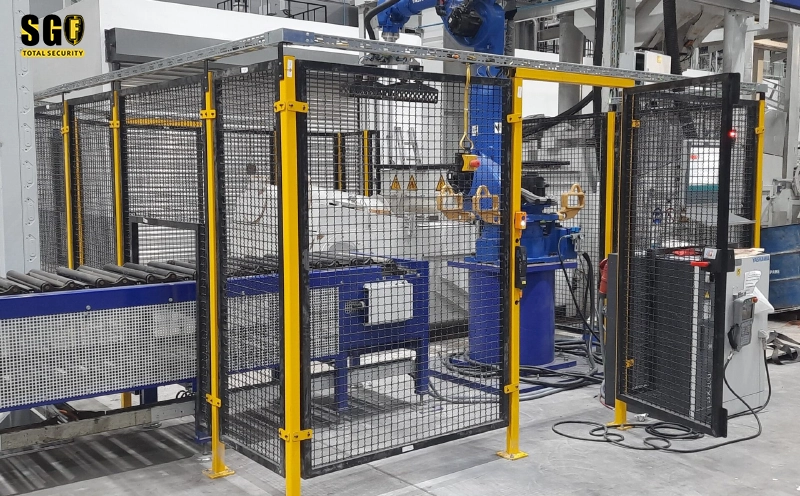
要約: For ISO 13485 medical production areas, photonics workshops, and already-running high-end manufacturing lines, the biggest enclosure risk is often not panel strength but site work variability. Traditional welded barriers bring dust, sparks, odor, fire permit delays, and shutdown coordination. Mdfence machine guard fence systems solve that problem with a pure cold-installation approach: bolt-on modules, high-strength clamp rings, reusable steel panels, and fast assembly by two workers using standard hand tools. The result is cleaner deployment, shorter stoppage windows, and an asset that can be relocated and reused instead of scrapped.
Why hot-work barriers become a hidden process risk in clean and high-value production
In medical device manufacturing, optical assembly, and other precision environments, installation quality is measured by more than whether a barrier stands upright at the end of the day. The real question is whether the installation process itself introduces contamination, schedule disruption, or downstream compliance pressure. That is where conventional welded guarding often fails.
When a contractor brings grinders, welding equipment, and on-site fabrication into a clean workshop or a live production bay, the enclosure becomes a process event instead of a simple safety upgrade. Dust can settle on sensitive assemblies. Sparks and heat can trigger strict hot-work controls. Odor and smoke can become unacceptable in controlled spaces. Even if the final fence is structurally acceptable, the installation path may already have consumed too much time, paperwork, and production attention.
For GBIM-style projects serving medical and photonics customers, this is especially important. Many installations happen inside facilities that cannot tolerate uncontrolled debris or long interruption windows. In such conditions, a machine guard fence must be designed not only for protection during operation but also for clean deployment during installation.
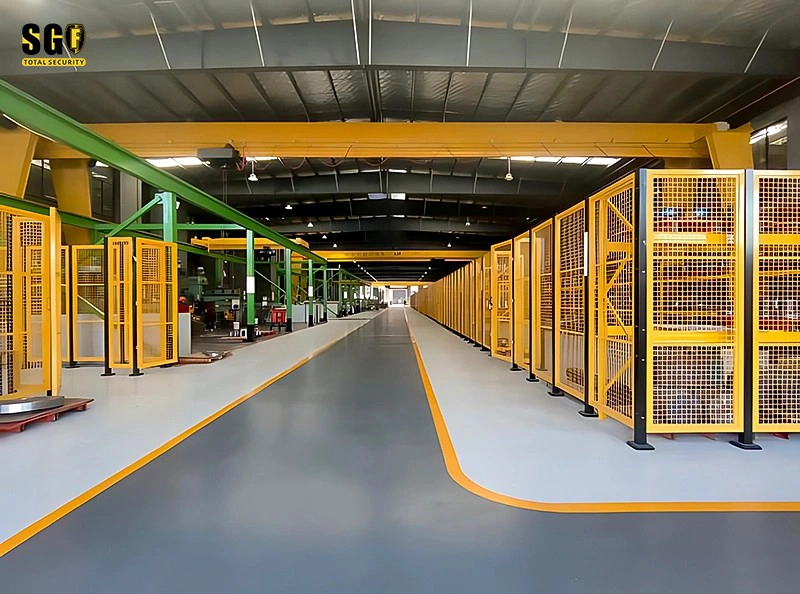
The field reality: why welding, drilling, and cutting create uncontrollable variables
The problem with traditional site-built barriers is not just labor intensity. It is variability. Every field weld, every drilled hole, and every cut-to-fit adjustment depends on installer judgment, local conditions, and time pressure. In already-operational plants, those variables translate directly into risk.
| Site activity | Typical issue in medical or high-end manufacturing | Business impact |
|---|---|---|
| Welding or grinding | Dust, sparks, fumes, and odor in controlled or semi-controlled areas | Hot-work permit requirements, slower approvals, added supervision |
| Field drilling and cutting | Metal particles, coating damage, and inconsistent workmanship | Rework, corrosion exposure, and extended installation windows |
| Large fabrication on site | More tools, more staging space, more interference with operators | Production disruption and higher coordination cost |
| Permanent welded construction | Low adaptability if the line moves or the layout changes | Low salvage value and repeated capital spending |
What buyers often underestimate is how these issues compound. A small delay in hot-work approval becomes a delayed weekend shutdown. A dusty installation triggers additional housekeeping. A welded barrier that cannot be reused later turns into scrap when the process layout changes. Over the full asset lifecycle, the enclosure cost is far more than the steel itself.
How Mdfence machine guard fence systems support true cold installation
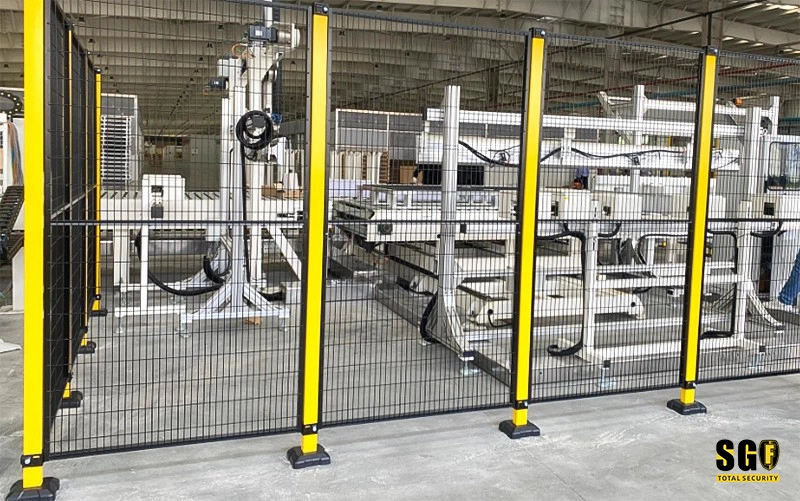
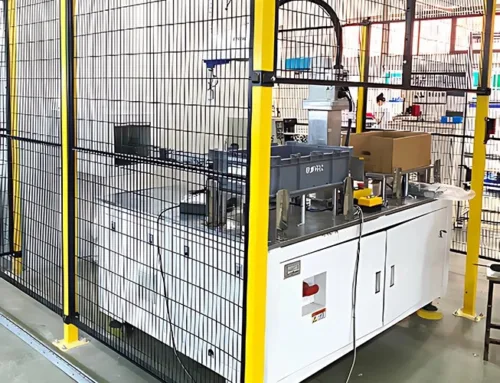
Mdfence is built around a modular, all-bolted logic intended to remove the messy parts of enclosure deployment from the site. Instead of relying on field fabrication, the system uses pre-engineered panels, posts, and high-strength clamp rings that can be assembled by two workers with standard wrenches. No welding arc. No grinding debris. No burnt coating smell. No flame hazard management burden.
This cold-installation approach is operationally meaningful for facilities that care about cleanliness and continuity. Panels arrive as finished components. Connections are made mechanically. Layout adjustments are predictable. The installation team spends less time creating parts and more time assembling known parts.
- All-bolted modular assembly for clean site work
- High-strength clamp ring connection logic for fast panel joining
- No welding sparks, smoke, or grinding dust during normal installation
- Suitable for deployment inside already-running production environments
- Approximately 40% faster installation than traditional welded barrier work, based on project experience described by the client brief
- Asset reuse rate above 95% when equipment is relocated or line layouts are updated
Why clean installation matters more in ISO 13485 medical areas and photonics workshops
Medical manufacturing and photonics production do not always require a formal cleanroom classification to demand disciplined site behavior. In many cases, the requirement is practical: keep particles down, avoid unnecessary heat work, protect process stability, and prevent installation activities from becoming a quality event.
For ISO 13485-oriented operations, any construction activity that introduces preventable contamination or uncontrolled process disturbance can create disproportionate management effort. Even if a fence is outside the immediate critical process zone, the project team still has to think about airflow, cleaning burden, access control, inspection readiness, and production continuity.
Photonics and other high-end manufacturing lines bring a similar concern from a different angle. Sensitive surfaces, precision assemblies, and tightly coordinated equipment zones make installation cleanliness and predictability valuable. The safer choice is usually the one that minimizes secondary effects. A machine guard fence that can be carried in, bolted together, inspected, and commissioned without hot work is easier to approve and easier to integrate.
- Minimize particles, sparks, and odor during installation
- Avoid fire permit delays and dedicated hot-work supervision
- Reduce interference with nearby operators and equipment
- Compress shutdown windows for retrofit projects
- Retain the option to move, resize, or reuse the enclosure later
Reusable safety barriers change the economics of line upgrades
One of the most overlooked benefits of modular guarding is financial rather than purely technical. Welded barriers are often treated as consumptive project cost. Once the line moves, the enclosure is cut apart, abandoned, or heavily reworked. That means every layout revision can restart the spending cycle.
Mdfence changes that equation. Because the structure is assembled from reusable modules rather than site-fabricated permanent sections, most of the asset can be recovered when a machine moves or a process cell is redesigned. That transforms the barrier from a one-time installation expense into a reusable plant asset with residual value.
For manufacturers operating multiple projects, pilot lines, or staged capacity expansions, this matters. Reusable safety barriers support phased investment. They also reduce waste generation and cut the hidden labor associated with demolition and disposal.
The practical result is not only cleaner installation today but lower enclosure cost tomorrow. A factory that can redeploy more than 95% of its guarding inventory has far more flexibility than one that has to scrap and rebuild each time.
What makes the system strong enough for long-term industrial use
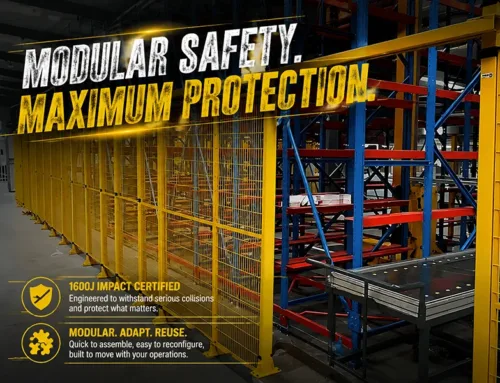
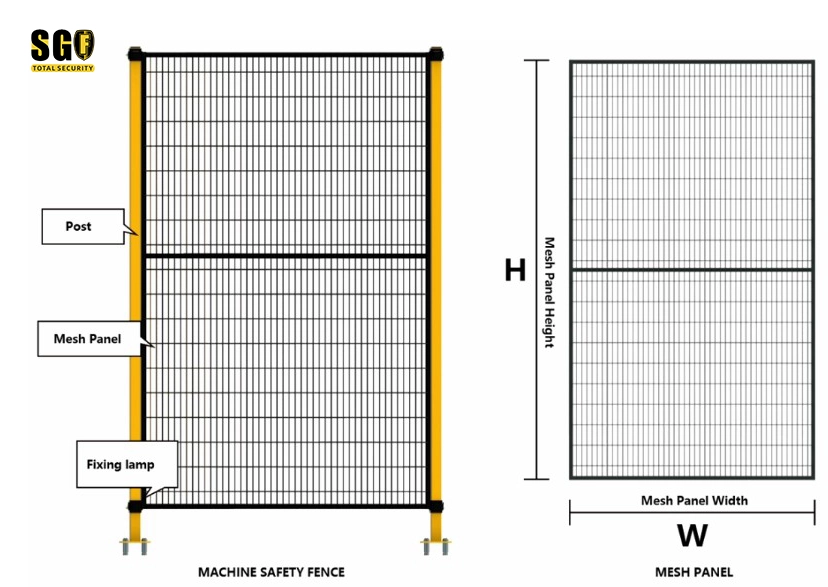
Clean installation does not help if the fence feels temporary after commissioning. That is why Mdfence combines modular assembly with industrial-grade panel construction. The framed mesh structure uses steel tube reinforcement, and the overall system is designed for repeatable alignment, stable connections, and long service in automation environments.
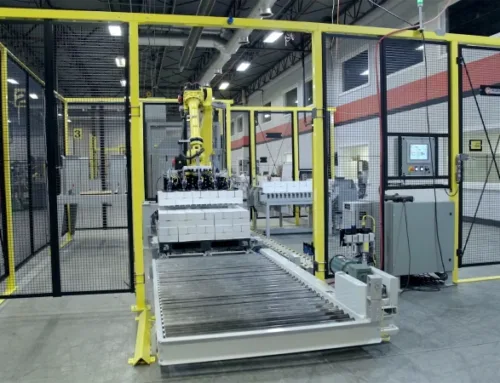
For buyers evaluating modular guarding, the key point is that fast assembly should not mean weak assembly. A properly engineered machine guard fence must preserve visibility, access planning, and mechanical stability while still being easy to install. Mdfence supports that balance by pairing finished steel components with a straightforward joining method.
It is also beneficial during expansion. When the original enclosure footprint needs to grow, additional sections can be integrated using the same hardware logic instead of mixing incompatible fabricated parts. That keeps plant standards more consistent and simplifies maintenance over time.
Specification visuals can be used to support internal review when layout, dimensions, and module planning need to be discussed before site work begins.
Selection checklist for projects where cleanliness and schedule control are critical
If your team is planning a new enclosure inside a medical, photonics, or other precision manufacturing environment, use the questions below before approving any guarding concept:
- Can the barrier be installed without welding, grinding, or fire permit administration?
- Can two installers complete the mechanical assembly with basic hand tools?
- Will the installation avoid unnecessary dust, sparks, fumes, and odor near active production?
- Can the system be modified or expanded without cutting apart existing steelwork?
- What percentage of the guarding can be reused if the line is moved?
- Is the enclosure format suitable for future retrofit, maintenance access, and plant standardization?
If a supplier cannot answer those questions clearly, the project may still be buying a site problem rather than a guarding solution.
Need a clean-install safety barrier for medical or high-end manufacturing?
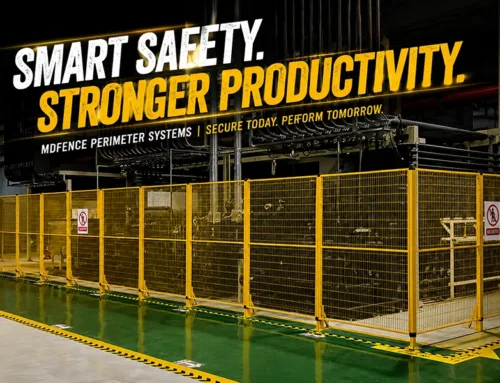
Mdfence machine guard fence systems are suited to projects where installation cleanliness, faster deployment, and high asset reuse matter as much as perimeter protection itself. If your production area cannot tolerate welding dust, sparks, long permit cycles, or one-time barrier spend, a modular cold-installation layout is usually the more scalable choice.
Ask for a project review based on your line footprint, access points, cleanliness constraints, and relocation plan to determine the most efficient safety barrier configuration.